EN


How to Choose an Infant Incubator for a Neonatal Care Unit
Choosing an infant incubator is not a matter of comparing a single temperature specification. A neonatal unit needs an enclosed care environment that fits the babies it serves, the work staff must do around the bedside, and the service resources available after commissioning. From a clinical-workflow perspective, the right infant incubator is the one whose controls, access points, alarms, cleaning steps, and documentation can be used reliably within the unit’s approved protocols.
This guide is a procurement framework, not clinical or regulatory advice. Neonatology leaders, nursing staff, biomedical engineering, infection-control personnel, and purchasing teams should set requirements together before selecting an infant incubator.
Start with the care workflow, not a feature list
An infant incubator creates an enclosed microenvironment for newborn thermal care and observation. It may be considered when the care plan calls for enclosed thermal support and, where applicable, humidity management. However, the required workflow matters as much as the device category. Frequent procedures, repeated access, transport needs, respiratory support arrangements, monitoring cables, and family-care practices can all affect whether an infant incubator is the suitable configuration for a particular care area.
Map a typical shift before reviewing quotations. Ask who places the baby in the infant incubator, how often staff need access, what lines and accessories pass through the enclosure, how observations are documented, and who responds when an alarm occurs. This exercise makes vague requests for “advanced NICU equipment” into testable requirements.
- Which patient groups and acuity levels will use the infant incubator?
- How often is bedside access expected during routine and escalated care?
- What monitoring, respiratory, or imaging workflows must coexist with the infant incubator?
- What cleaning, turnover, and preventive-maintenance tasks must the team complete?
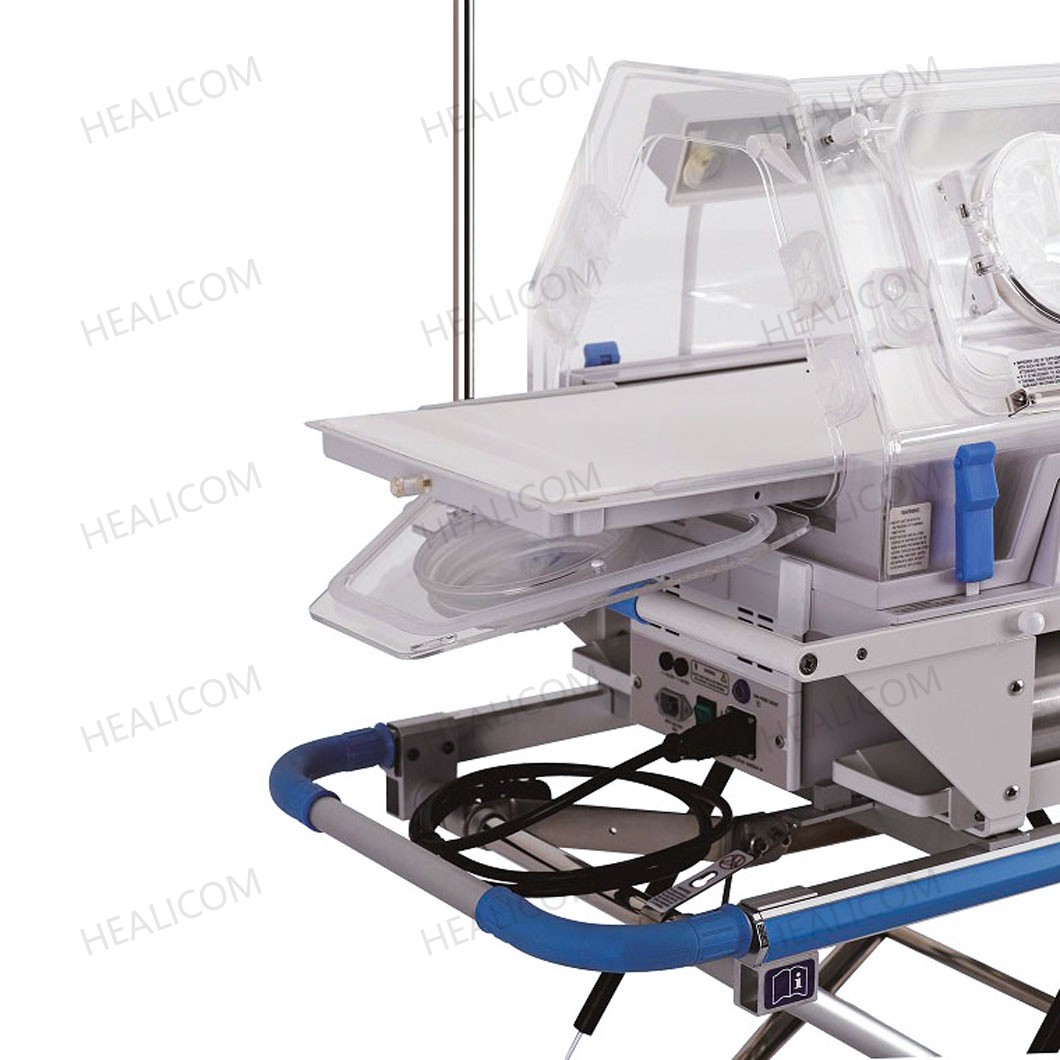 Workflow review helps teams assess how an infant incubator fits bedside tasks.
Translate thermal-care needs into configuration questions
Infant temperature control should be evaluated as a system: sensor placement, control mode, alarm logic, staff response, local targets, and the environment around the device all matter. Published newborn-care materials commonly describe normothermic ranges around 36.5–37.4°C, but the unit should confirm its own approved target, measurement method, and escalation pathway rather than copying a setting into a purchasing specification.
When comparing a neonatal incubator, request a clear explanation of air-temperature control, skin-servo functions where offered, alarm behavior, display readability, and the conditions that can influence performance. Do not treat a longer feature list as proof that one infant incubator will fit every clinical situation. More accurately, the question is whether the selected controls support the unit’s defined infant temperature control workflow.
Review access and enclosure design
Port locations, door latches, mattress height, visibility, and cable routing change how an infant incubator works in practice. During a demonstration, ask staff to simulate routine observations and common interventions. Observe whether access disrupts the enclosed environment, whether the controls remain visible, and whether the cleaning sequence is understandable. A neonatal incubator that appears suitable on paper may still create avoidable workarounds if its access design conflicts with routine care.
Set evidence and safety requirements early
Procurement teams should request product-specific technical documentation, applicable market documentation, user instructions, maintenance schedules, and acceptance-test expectations. IEC 60601-2-19:2020 addresses basic safety and essential performance for infant incubators; whether it applies to a proposed configuration and market should be verified by the buyer through current, product-specific evidence. The standard name is a documentation checkpoint, not a claim about any unverified device.
Define the acceptance plan before selecting an infant incubator. Include delivery inspection, functional checks, alarm verification, accessories, electrical and environmental-site requirements, training records, and escalation contacts. Involve biomedical engineering in this review, because a neonatal incubator is not fully evaluated until the unit can support it after installation.
Compare the whole ownership pathway
A usable comparison matrix for NICU equipment covers acquisition, deployment, daily operation, and support. Price belongs in the matrix, but it should not be the only column. For every infant incubator under review, record what is included, what is optional, and what must be confirmed separately.
| Evaluation area | Questions to document |
|---|---|
| Clinical workflow | Does the configuration support the unit’s access, observation, and handover process? |
| Infant temperature control | Which modes, sensors, alarms, and local-policy checks are needed? |
| Environment and accessories | What space, power, consumables, interfaces, and approved accessories are required? |
| Cleaning and training | Can staff explain disassembly, cleaning, turnover, and competency steps? |
| Service and verification | Who performs maintenance, what records are supplied, and how are acceptance tests arranged? |

For newborn thermal care, maintenance is a patient-care consideration as well as an asset-management issue. Ask suppliers to state the recommended preventive-maintenance interval, calibration or performance-check approach, replacement-part availability, and service-response process. Confirm these points against the facility’s own biomedical engineering capacity.
Run a multidisciplinary demonstration
Before final selection, turn the shortlist into a structured demonstration. A nurse, neonatal clinician, biomedical engineer, infection-control representative, and buyer can each assess a different part of the same infant incubator. Ask the team to document observations rather than relying on memory after several demonstrations.
- Test control navigation and alarm acknowledgement against the local workflow.
- Check visibility, access, cable management, and safe positioning with the intended bedside setup.
- Review cleaning instructions and the components that require handling between patients.
- Confirm included accessories, documentation, training, installation conditions, and service responsibilities.
- Record unresolved issues as supplier questions before a purchase order is released.
This process also helps distinguish an infant incubator that meets a written specification from one that the neonatal care unit can integrate into daily practice.
Make the final decision with clear boundaries
The most useful infant incubator selection decision is evidence-based and conditional. Start with patient and workflow requirements, translate them into a configuration checklist, verify the device documentation and service plan, then define acceptance criteria. A neonatal incubator should support—not replace—clinical judgement, local thermal-care policies, training, and professional engineering review.
When requesting a quotation, provide the intended patient population, room conditions, access needs, monitoring interfaces, preferred training scope, documentation requirements, and maintenance expectations. That level of detail gives suppliers a fair basis for a like-for-like proposal and gives the unit a stronger foundation for comparing infant incubator options.
 Hot News