 EN


12-Lead ECG Machine vs 3-Lead ECG: What Are the Differences?
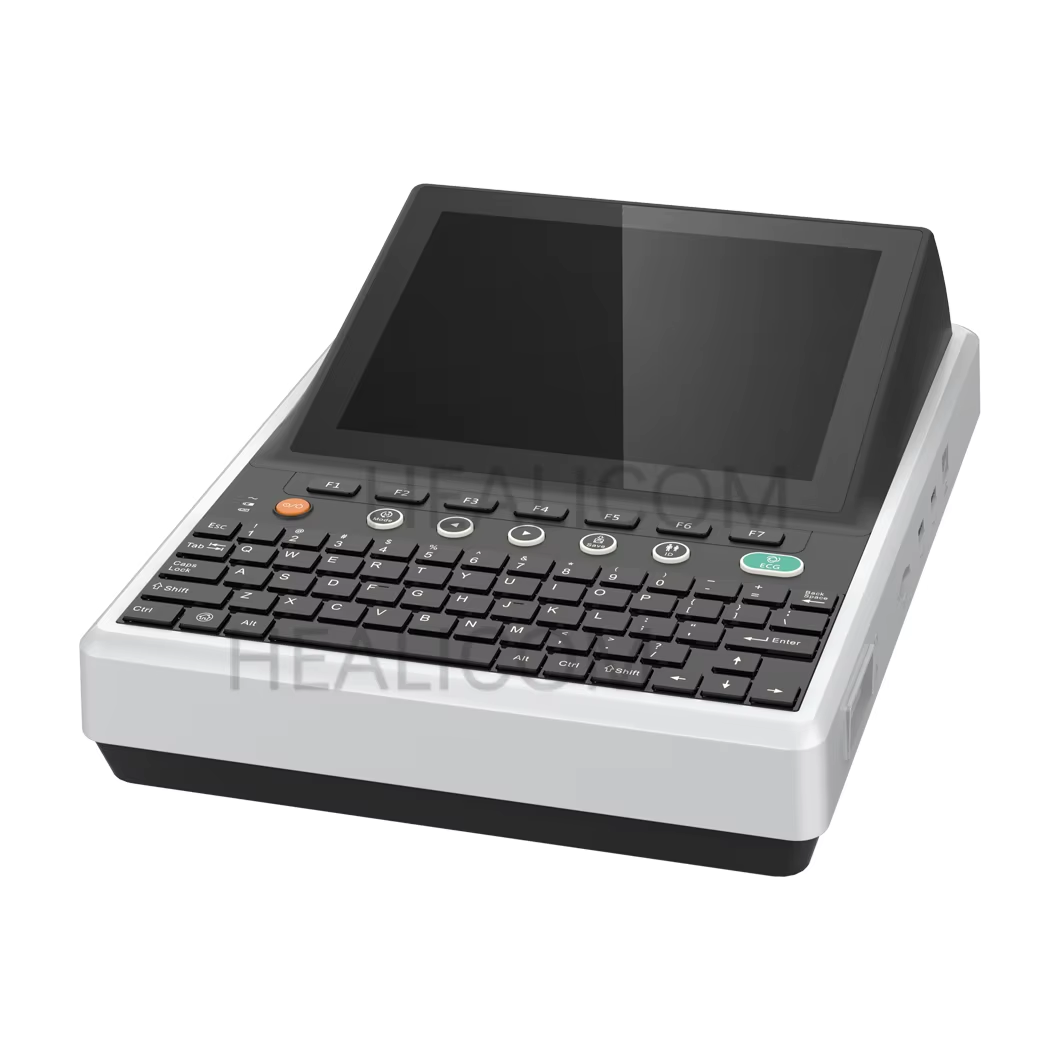
When a care team says it needs an ECG Machine, the next question should be: for a diagnostic tracing, continuous rhythm observation, or both? A 12-lead ECG machine and a three-lead monitor serve related but different jobs. Treating them as interchangeable can create gaps in workflow, training, documentation, and clinical escalation.
This comparison is written for clinical, biomedical engineering, and procurement teams assessing a cardiac diagnostic device. It explains the technical distinction without replacing local protocols, clinician judgment, or manufacturer instructions.
The short answer: diagnostic views versus rhythm monitoring
A conventional 12 lead ECG acquisition uses 10 electrodes to create 12 electrical views of the heart: three standard limb leads, three augmented limb leads, and six chest (precordial) leads. It gives clinicians a broader snapshot for diagnostic review at a point in time.
A three-lead setup generally uses three electrodes to display a limited lead set for ongoing rhythm observation. It is fast to apply and practical for monitoring, but it does not produce the same conventional diagnostic information as a standard 12-lead recording. In other words, a rhythm strip from a monitor should not be assumed to replace a formal 12-lead acquisition when the clinical workflow calls for one.
12-lead ECG machine vs 3-lead ECG at a glance
| Decision point | 12-lead ECG machine | 3-lead ECG monitoring |
|---|---|---|
| Primary purpose | Diagnostic recording and clinician review | Continuous or intermittent rhythm observation |
| Typical electrode count | 10 electrodes for a conventional 12-lead tracing | 3 electrodes for a limited monitoring configuration |
| Information view | Multiple limb and precordial views | Limited displayed leads, selected for monitoring workflow |
| Workflow priority | Correct acquisition, trace quality, print/export, review | Rapid application, lead continuity, alarms, handover |
| Procurement question | How will staff acquire, store, review, and repeat diagnostic records? | How will the unit monitor rhythm, manage alarms, and escalate changes? |
Why lead count is not the whole story
The terms “lead” and “electrode” are often mixed up in purchasing discussions. An electrode is the skin contact point; a lead is an electrical view derived from electrodes. That is why a standard 12 lead ECG uses 10 electrodes rather than 12. The distinction matters when a specification sheet lists channels, acquisition leads, monitoring leads, or derived leads.
For a 12-lead workflow, ECG electrode placement is part of data quality, not a minor setup step. Consistent anatomical placement supports meaningful comparison between recordings. A team should therefore assess the supplied lead set, patient cable, labeling, placement guidance, consumables, and the local competency process together rather than buying the recorder alone.
Where each configuration fits in practice
Use a 12-lead acquisition workflow when diagnostic breadth is needed
A 12-lead ECG machine is appropriate when the care pathway requires a conventional diagnostic ECG for review, baseline comparison, serial recording, documentation, or referral. The value is not simply more traces on paper. It is the ability to capture the intended views with a repeatable process and make the record available to qualified reviewers.
Before selection, ask who performs the recording, where it occurs, how patient identifiers are entered, whether paper and digital output are both needed, and how records are routed. If an ECG interpretation software feature is offered, clarify whether it provides automated statements, storage, connectivity, or review workflow. Automated output can support workflow, but it should not be treated as an independent diagnosis.
Use three-lead monitoring when ongoing rhythm visibility is the task
Three-lead monitoring is often chosen when the operational need is continuous rhythm observation with a lower setup burden. Here, the important questions shift to lead retention, artifact handling, alarm configuration, battery or power resilience, display visibility, handover practices, and the unit’s escalation process.
A useful purchasing test is to walk through a busy shift: Who applies the electrodes? Who responds to an alert? When does the team obtain a formal 12-lead record? This workflow question is more revealing than comparing lead count alone.
How placement affects the result
Accurate ECG electrode placement is especially important for a 12-lead recording because the six precordial positions and limb electrodes contribute to defined views. Movement, poor adhesion, incorrect landmarks, or inconsistent placement can introduce artifact or change the appearance of a tracing. Teams should follow their approved procedure and the device instructions, and they should document any nonstandard placement that could affect comparison.
For three-lead monitoring, placement still affects signal quality and rhythm display. However, its limited monitoring view should not be overstated as a complete diagnostic substitute. The safest operational design is a clear trigger for moving from monitoring to a formal diagnostic ECG when local policy or clinical assessment requires it.
What to verify before buying an ECG Machine
- Intended use: Separate diagnostic acquisition, bedside monitoring, transport monitoring, and screening workflows.
- Lead and cable configuration: Confirm what is supplied, what is optional, and which recordings are conventional versus derived.
- Output and records: Check print format, digital export, patient-data entry, storage, and compatibility with the local documentation path.
- Software boundaries: Define the role of ECG interpretation software, including user review, audit requirements, and any connectivity validation.
- Training and acceptance: Include placement competency, artifact troubleshooting, alarm workflow, cleaning, preventive maintenance, and acceptance testing.
- Consumables and support: Confirm electrode compatibility, replacement lead availability, manuals, service responsibilities, and response arrangements.
A practical decision rule
Choose a 12-lead ECG machine when the workflow needs a conventional multi-view diagnostic record. Choose a three-lead setup when the workflow is primarily continuous rhythm observation. Many facilities need both capabilities in different locations; the right answer is therefore often a mapped workflow rather than one device trying to cover every task.
For procurement teams, the final check is simple: request a demonstration using the facility’s actual intake, placement, recording, review, handover, and service steps. A suitable ECG Machine should fit that process with clear limits, not merely advertise a longer feature list.
Frequently asked questions
Does a 12-lead ECG need 12 electrodes?
No. A conventional 12 lead ECG uses 10 electrodes to generate 12 electrical views.
Can a three-lead monitor replace a 12-lead ECG machine?
Not for a conventional diagnostic 12-lead recording. Three-lead monitoring supports a limited rhythm-observation task; local clinical policy determines when a formal diagnostic ECG is required.
Does ECG interpretation software diagnose the patient?
Software may help organize, display, or generate automated statements from a recording. Qualified clinical review and the facility’s approved process remain essential.
 Hot News

