 EN


What Factors Affect AED Prices and Long-Term Ownership Costs?
An AED quote is easier to compare when it is treated as the start of a readiness program rather than a one-time equipment purchase. The initial AED price matters, but it does not describe what the organization will spend to keep the unit available, correctly placed, documented, and supported over its working life. For a school, workplace, clinic, sports venue, or other public-facing location, a useful comparison asks what is included today and what must be planned for later.
From a hospital procurement perspective, the practical question is not which AED has the lowest headline price. It is whether the selected AED, accessories, inspection process, training plan, and service responsibilities fit the site’s intended use. The sections below provide a transparent framework for discussing AED costs without assuming a particular model, budget, or local requirement.
Start with the acquisition scope, not the unit price alone
A base AED price can vary because quotes may include different items and different levels of support. Before comparing offers, list the exact configuration: the AED unit, carrying case or wall cabinet if needed, adult pads, any intended pediatric option, battery, responder kit, signage, delivery, setup help, and documentation. A lower AED figure can reflect a narrower package rather than a lower lifetime commitment.
Ask suppliers to label each line as included, optional, or excluded. This simple step prevents a common purchasing problem: comparing a ready-to-deploy AED package with a device-only quote. If a cabinet, alarm, weather protection, mounting work, or site signage is relevant, put it in the same budget worksheet. Installation conditions can affect both cost and timeline, especially where the AED must be visible, protected, and accessible during operating hours.
Also confirm what the quote says about warranty coverage, shipping for future service, loaner arrangements, and the process for obtaining compatible accessories. These are not interchangeable terms. The documentation for the particular AED should define the supported parts and the owner’s responsibilities.
Plan recurring AED consumables as a calendar
The most predictable long-term AED expenses are usually consumables. AED battery replacement and AED electrode pads should be placed on a site-owned calendar, with the model documentation as the authority for expiry, replacement, storage, and post-use requirements. FDA materials identify batteries and pad electrodes as necessary AED-system accessories, which is a useful reminder that ownership extends beyond the cabinet.
AED electrode pads are typically single-use after a rescue event and may carry an expiry date even when unused. Battery condition and replacement timing also depend on the device design, storage conditions, self-test status, and actual use. Rather than applying a generic interval to every AED, record the dates from the installed battery and pad packaging, keep the instructions available, and budget for replacement before the listed deadline.
It helps to separate three categories in the budget:
- Scheduled replacement: AED battery replacement and AED electrode pads replaced because of their labelled expiry or the manufacturer’s schedule.
- Event-driven replacement: pads and other response materials used in an incident, plus any battery or inspection actions specified afterward.
- Contingency stock: approved accessories held for locations where a delayed replacement would leave the AED unavailable.
This approach makes annual spending more predictable without suggesting that one AED schedule fits all devices.
Readiness labor is part of the ownership cost
An AED can be physically present but not operationally ready if no one owns routine checks. An AED inspection checklist gives the organization a repeatable way to check location, accessibility, visible status indicators, cabinet condition, seals, supplies, pad and battery dates, and any device messages. The exact items and frequency should come from the AED instructions, site policy, and applicable local program requirements.
Costing this work means deciding who performs the AED inspection checklist, who receives alerts, who records findings, and who authorizes a replacement order. In a small office, this may be a named facilities coordinator. In a larger public access defibrillator program, the task can involve several locations, a central register, escalation rules, and periodic audits. The labor may be internal, contracted, or supported by a service program; it should still appear in the ownership plan.
Do not treat self-testing features as a reason to remove the need for oversight. They may reduce routine burden, but staff still need a process for checking the AED’s placement, physical condition, consumables, and any indicated status issue. A useful question is: if an AED signals a problem on a weekend, who sees it and how is readiness restored?
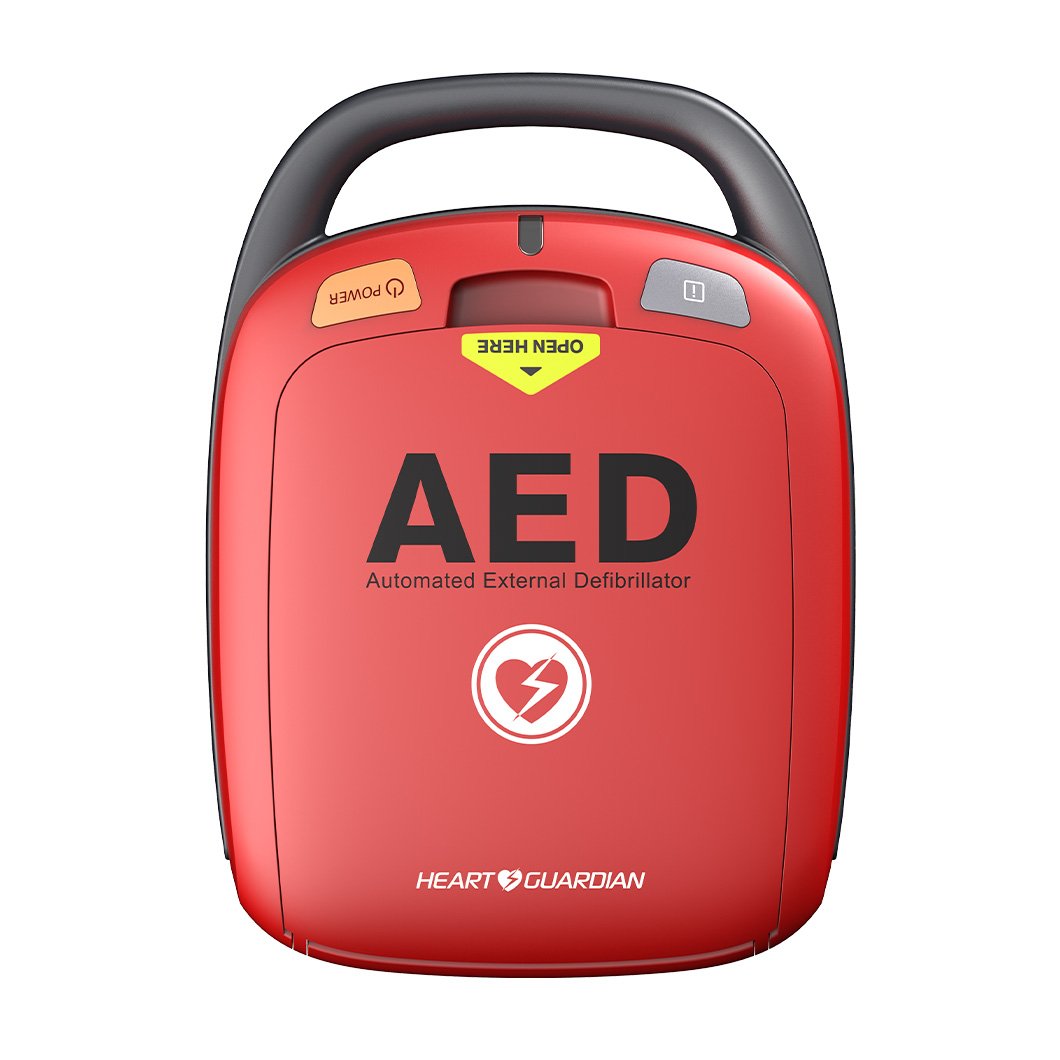 A readiness review should include the device, accessories, location, and assigned follow-up process.
Training, drills, and program ownership affect the real total
Training does not change the AED purchase price, yet it affects whether the public access defibrillator program can be used as intended. Budget conversations should distinguish initial training from refresher training, onboarding for new personnel, scheduled staff time, and short drills that test whether people can locate the AED and follow the site emergency process. Training content and credential expectations may vary by role and jurisdiction, so confirm the local requirements rather than treating a general course description as a compliance determination.
The wider program also has ownership tasks: posting location information, keeping emergency contacts current, coordinating with emergency response procedures, and reviewing the process after a device use or readiness issue. Public-access AED resources commonly emphasize planning, placement, visibility, accessibility, training, and awareness. Those operational elements are why two sites can own the same AED model but carry different total costs.
Service, software, and deployment conditions can change the comparison
Some AED programs include inspection reminders, connectivity, remote status reporting, managed replacement, or service arrangements. These may add subscription or contract costs, but they can also change who does administrative work and how quickly a status issue is noticed. The right comparison is not “connected versus non-connected” in isolation. It is whether the feature solves a documented gap in the organization’s AED readiness workflow.
Deployment conditions deserve the same attention. Indoor and outdoor placement, temperature exposure, access hours, cabinet selection, site security, electrical needs for a cabinet, and the number of AED locations can influence the initial project cost and later upkeep. If the organization intends a public access defibrillator in several buildings, use the same assumptions for every site: device package, cabinet, signage, installation, named coordinator, inspection method, consumables, and training coverage.
Use a transparent AED total-cost worksheet
A practical AED comparison can cover a defined planning period chosen by the organization. Do not present the result as a precise prediction; use it to expose assumptions that need confirmation. Include the following columns for each AED option:
- Initial AED package and deployment items
- Expected AED battery replacement dates and estimated accessory costs
- Expected AED electrode pads dates and post-use replacement process
- Cabinet, signage, installation, or environmental-protection needs
- AED inspection checklist ownership, labor, and escalation process
- Training, refreshers, drills, and program administration
- Warranty, service, connectivity, and replacement-support assumptions
- Open questions that require confirmation from the device instructions, supplier, or local authority
Then compare the AED options using equivalent scope. If one proposal includes scheduled accessory management and another does not, show that difference instead of hiding it in a footnote. The result is more useful to finance, facilities, safety, and clinical stakeholders because it turns a device quote into a shared operating plan.
Questions to resolve before approving an AED purchase
Before placing an AED order, confirm the intended location, responsible program owner, compatible AED battery replacement process, AED electrode pads options, inspection record method, training plan, and service path. Ask which items arrive with the AED, which must be ordered separately, and what happens after an alert, an expiry date, or a rescue event. If local rules affect placement, registration, or program operation, verify them with the appropriate authority.
The central lesson is straightforward: AED ownership costs are shaped by readiness, not just acquisition. When a team budgets the AED, accessories, inspections, training, and deployment together, it can make a more transparent decision and assign responsibility before the device is needed.
 Hot News

