EN


What Factors Affect Infant Incubator Prices?
An infant incubator is not priced like a simple warming appliance. For a procurement team, the quoted unit price is only one part of the decision. The configuration must support the intended clinical workflow, fit the care area, and be maintainable after delivery. A more useful question is: which capabilities are necessary for the newborn thermal-care pathway, and what will they cost to own over time?
From a medical-equipment selection perspective, start with the care scenario and installation conditions before comparing feature lists. A neonatal unit may need a different infant incubator configuration from a transport-focused workflow or a lower-acuity observation area. The sections below explain the main price drivers and the checks that make quotations comparable.
1. Environmental-control capability is a core price driver
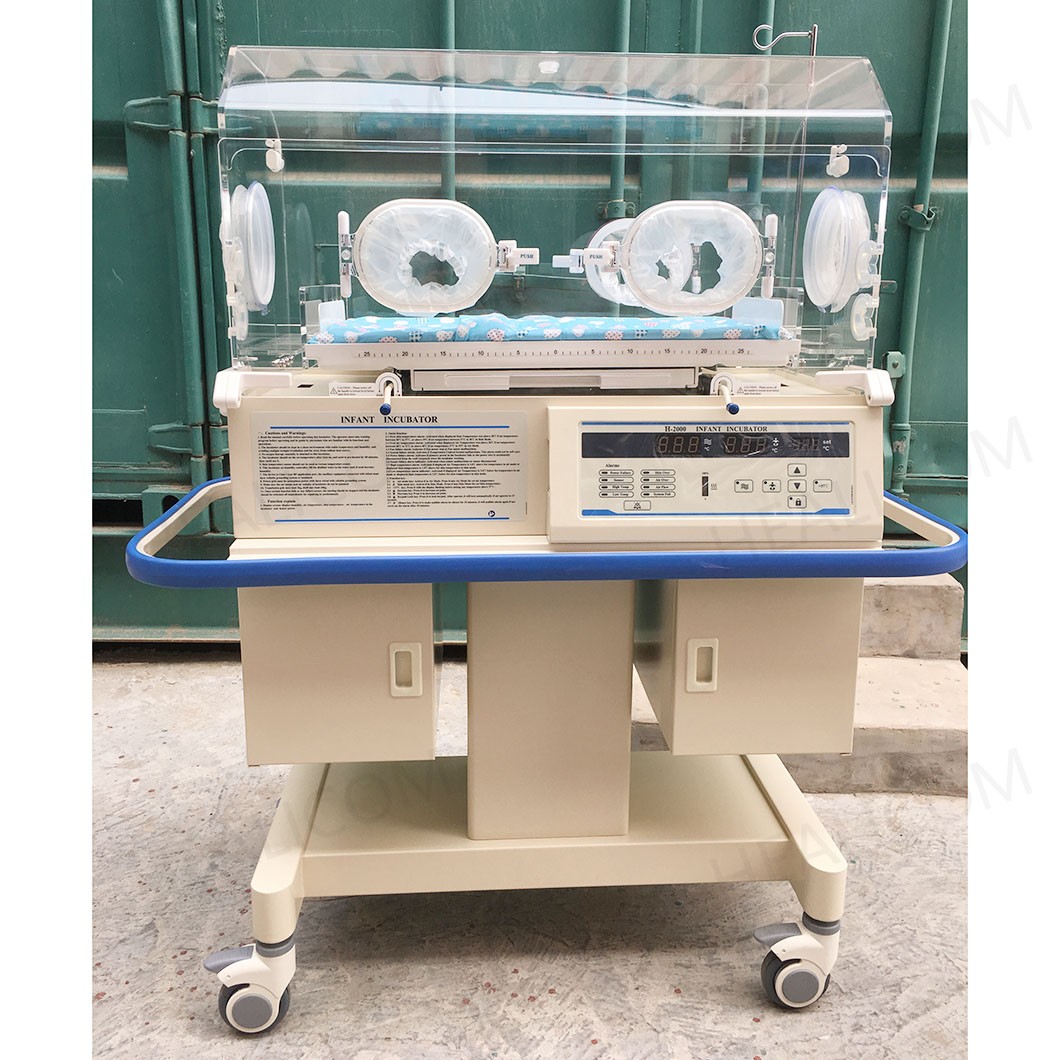
The enclosure and control system sit at the center of an infant incubator. Basic configurations may focus on air-temperature management, while more complex systems can add humidity management, oxygen-related options where appropriate, skin-temperature modes, and controls for airflow, noise, or light. Each added function may require extra sensors, control logic, alarms, validation, and service procedures.
This is why two units that appear similar in photographs can carry different prices. The relevant comparison is not the number of labels on the control panel; it is whether the proposed configuration supports the clinical protocol and the expected environmental range. IEC 60601-2-19 is one example of the type of particular safety and essential-performance framework buyers may use when verifying an infant incubator. The applicable standard, registration route, and documentation should be confirmed for the target market and exact model.
2. Monitoring and integration change the system cost
A standalone neonatal incubator may have a different cost profile from one designed to work alongside patient monitoring, centralized alarm handling, data connectivity, weighing functions, or other bedside systems. Integration is more than a connector on a specification sheet. It can involve connectivity options, software configuration, cybersecurity review, acceptance testing, and coordination with biomedical engineering or IT teams.
For that reason, request a line-by-line quote for every connectivity option and accessory. Clarify whether the price includes cabling, mounting, licenses, commissioning, and test documentation. If a hospital does not plan to use a function during the equipment’s service life, paying for it at purchase may not be the right choice. Conversely, leaving out a needed connection can create a later retrofit cost and disrupt the planned workflow.
3. Construction, access design, and cleaning features matter
Materials and mechanical design also influence infant incubator pricing. Transparent enclosure components, access ports, latches, seals, mattress platforms, cabinetry, and mobility hardware must be designed for repeated clinical use and cleaning. Designs that improve access for care teams or simplify routine cleaning can increase component and manufacturing cost, but may reduce friction in daily use when they match the unit’s infection-control and workflow requirements.
Ask suppliers to distinguish standard hardware from optional upgrades. It is also sensible to examine what is included for routine replacement: filters, seals, probes, mattresses, covers, and other consumables. A low initial quotation may exclude items that the unit will require soon after installation.
4. Configuration choices should follow the intended care pathway
Infant temperature control is not a single universal specification. Before asking for prices, describe the patient population, expected acuity, available utilities, room layout, staffing model, and the need to move the unit. This turns a vague request for an infant incubator into a configuration brief that several suppliers can answer consistently.
- Define whether the unit is intended for intensive care, observation, stabilization, or another documented workflow.
- List required environmental-control modes and alarm expectations rather than requesting every available option.
- Confirm physical footprint, electrical requirements, and any utility dependencies at the planned location.
- Specify which accessories must be included in the delivered price and which may be quoted separately.
This approach makes quotation review easier because every supplier is responding to the same scope. More accurately, the aim is not to buy the most elaborate configuration; it is to buy a configuration that the target process can use, support, and verify.
5. Service coverage and downtime planning affect total cost
Service is often a material portion of the lifetime cost of an infant incubator. A quotation may include a basic warranty but exclude preventive maintenance visits, calibration-related work, travel, labor, replacement parts, loan equipment, or response-time commitments. These terms can differ widely, so buyers should compare them as carefully as the equipment specification.
Request a service schedule, recommended inspection intervals, parts availability information, and a clear statement of what the warranty covers. For a critical area, the cost of a service plan may be justified by the operational need for predictable support. For a lower-utilization setting, a different arrangement may be appropriate. The key is to record the assumption in the total-cost model rather than treating after-sales support as an unpriced extra.
6. Delivery, installation, and training are separate budget lines
Freight, insurance, duties, site preparation, receiving inspection, assembly, functional checks, and user education can all change the delivered cost of NICU equipment. Shipping requirements may be especially important for equipment with sensitive enclosure components or a large footprint. Ask whether the quoted price is ex works, delivered, or delivered and installed, and document who is responsible for each handoff.
Training deserves the same attention. It may cover routine operation, alarm response, cleaning procedures, accessory use, and basic daily checks. Training may be priced by session, by participant group, or as part of a commissioning package. Confirm the audience, duration, materials, language, and whether follow-up training is available for new staff.
 A structured cost worksheet helps align equipment configuration with clinical and service needs.
7. Build a comparable total-cost worksheet
To compare offers, place each proposed infant incubator in the same worksheet. Separate the purchase price from lifecycle items instead of relying on a single headline number.
| Cost area | Questions to include |
|---|---|
| Base unit and options | Which environmental controls, accessories, and monitoring functions are included? |
| Installation and acceptance | Are delivery, setup, functional checks, and documentation included? |
| Service | What are warranty terms, preventive-maintenance needs, response commitments, and parts assumptions? |
| Consumables | Which filters, probes, seals, covers, or other recurring items are required? |
| Training | Who receives training, what is covered, and is refresher education priced? |
| Lifecycle planning | What budget is needed for accessories, upgrades, and eventual replacement? |
Questions to ask before accepting an infant incubator quote
- Which clinical use case and environmental-control functions does this exact configuration support?
- What documentation demonstrates the applicable market and safety requirements for the destination?
- Which accessories, consumables, and connectivity options are included, optional, or excluded?
- What site conditions, delivery steps, and acceptance tests are assumed in the price?
- What training and service commitments apply after commissioning?
- Which recurring costs should be added to a three- to five-year ownership estimate?
Conclusion
Infant incubator prices reflect more than the enclosure itself. Environmental controls, integration, construction, selected options, service terms, consumables, delivery, installation, and training can all shape the budget. A structured request that defines the intended workflow and separates these cost categories gives buyers a clearer comparison and helps them plan newborn thermal care without relying on a headline price alone.

 Hot News