 EN


How to Compare Semi-Automatic and Fully Automatic AEDs
When a facility is choosing an AED, the useful question is not which label sounds more advanced. It is how the device’s shock-delivery workflow fits the people, location, training plan, and maintenance ownership behind a public-access program. A semi-automatic and a fully automatic AED both analyze a rhythm and guide the responder with device prompts. The practical difference is the final action after the device advises a shock.
From a biomedical engineering communication perspective, start with the rescue workflow, then verify the device-specific instructions for use, local emergency procedures, and the resources that keep the unit ready. This is a procurement and readiness comparison, not clinical advice. Follow emergency services instructions, established response protocols, and the training applicable to your site.
The decision point: what changes between the two AED types?
A semi-automatic AED analyzes the rhythm and, when it advises a shock, directs a responder to press the shock button. A fully automatic AED provides warnings and delivers the shock automatically according to its programmed workflow once it has determined that a shock is advised. In both cases, rescuers should pay close attention to the device prompts and its clear-patient warnings.
That distinction is small on a specification sheet but meaningful in an emergency response plan. It changes who carries the final physical action, what a drill must rehearse, and how a site explains the workflow to likely responders. It does not justify assuming that one format is universally appropriate or that a device alone determines an outcome.
| Comparison point | Semi-automatic AED | Fully automatic AED |
|---|---|---|
| Shock-delivery step | The responder presses the button after the device advises a shock. | The device gives its programmed warnings and delivers the shock automatically after it advises a shock. |
| Training emphasis | Practice the prompt sequence, the clear-patient check, and the deliberate button press. | Practice prompt recognition, the clear-patient check, and responding promptly to the warning sequence. |
| Deployment question | Consider whether likely responders can recognize and complete the prompted action in the site workflow. | Consider whether the automatic warning and delivery sequence suits the space, crowd control, and responder mix. |
| Maintenance work | Device-specific readiness tasks remain necessary. | Device-specific readiness tasks remain necessary. |
Compare the responder experience, not just the feature list
For an AED supplier or a site safety lead, the first field question is simple: who is most likely to arrive first? A trained response team in a controlled workplace may rehearse a semi-automatic AED workflow regularly. A venue, school, transport location, or shared public building may have a wider and less predictable responder group. Neither observation selects a device on its own; it helps define what the program must support.
Walk through a realistic handoff. Who calls emergency services? Who brings the AED? Who starts the site’s established response procedure? Who keeps bystanders clear when the device instructs it? Who will know the cabinet location during a shift change? A short drill often exposes details that a procurement table misses, such as noisy environments, unclear cabinet signage, or uncertainty about who takes charge until trained responders arrive.
A portable defibrillator should be assessed in its deployed context: carrying method, cabinet access, visual instructions, audible prompts, lighting, and the devices or supplies kept with it. Request a demonstration of the actual model under consideration. Prompt wording, warning timing, pad placement illustrations, self-test indicators, and accessory arrangements vary by model, so they should not be inferred from the automation label.
Use risk management as the comparison framework
Risk management for an AED program is broader than the moment of use. It includes the risk that the device cannot be located, that a pad package or battery is past its labeled date, that the readiness indicator is not noticed, or that responders have not practiced the site procedure. Both semi-automatic and fully automatic AEDs need a clear owner for these controls.
- Workflow risk: map the sequence from recognition and emergency activation through device retrieval and post-event reporting.
- People risk: identify trained staff, likely untrained bystanders, shifts, turnover, and the need for refreshers.
- Environment risk: inspect access, noise, lighting, crowd flow, weather exposure, and cabinet visibility.
- Readiness risk: assign recurring checks for the device status indicator, compatible pads, battery, rescue kit, cabinet, and dated supplies.
- Governance risk: confirm local requirements, EMS coordination expectations, incident documentation, and program oversight with the appropriate local authorities or advisers.
For emergency response equipment, a good comparison document distinguishes a device feature from the operating condition needed to use that feature well. A warning prompt is useful only if people can hear it, understand it, and keep the area clear as instructed. A compact cabinet is useful only if the unit can be found and removed without delay in the actual building layout.
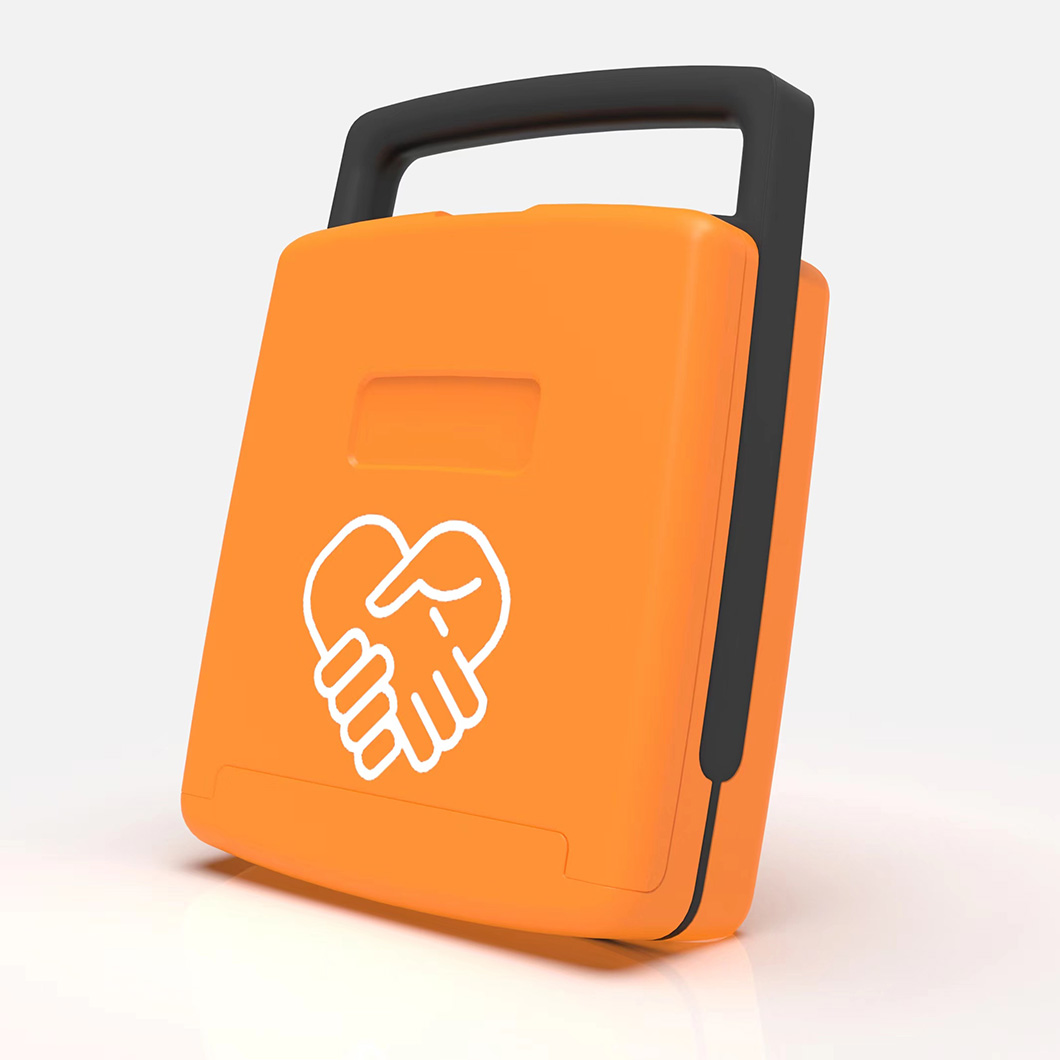 Public-access AED readiness depends on placement, training, and assigned upkeep.
Plan public-access deployment around the location
Public-access placement should begin with a site walk, not a catalog filter. Review where people gather, how entrances and security procedures work, which areas are open after hours, and whether the cabinet can be seen from the usual paths of travel. Then use the response plan to test whether an AED can be retrieved while emergency services are activated and the site’s trained responders are notified.
Local rules differ. Public-access AED programs may have requirements or recommended practices related to emergency activation, registration, training, inspection records, signage, or medical oversight. Confirm the obligations that apply where the unit will be installed rather than copying an approach from another jurisdiction. This verification matters whether the unit is semi-automatic or fully automatic.
When comparing quotations, ask the AED supplier to separate the device from the program components: cabinet options, compatible pads and batteries, rescue accessories, device documentation, training support, service contacts, and the process for obtaining replacement consumables. That makes it easier to compare long-term readiness rather than initial purchase price alone.
Training: make the prompts part of a practiced sequence
Training should cover the specific AED model and the site response plan. It should not promise that a single class removes all uncertainty. Build short scenarios that include a responder arriving alone, a second person joining, a busy reception area, and a handoff to emergency professionals. Practice listening for prompts, following the device instructions, maintaining a clear area when instructed, and locating the equipment.
For a semi-automatic AED, include the advised-shock prompt and the decision to press the device button only when instructed and when the area is clear. For a fully automatic AED, include the automatic warning sequence and the need to stay clear as directed. In both cases, training should reinforce that the device instructions, emergency dispatcher guidance, and local protocols govern the response.
AED device maintenance is the same program responsibility
AED device maintenance is not a secondary concern after the automation choice. Assign a named person or team, a backup owner, and a documented inspection cadence based on the device instructions for use and applicable local requirements. A simple log can record the date, inspector, device status indicator, cabinet condition, accessory presence, and the labeled expiration dates for pads and battery components.
Do not apply a universal replacement interval. Pads, batteries, software checks, self-tests, and service procedures differ by model and configuration. Use only compatible accessories and follow the manufacturer documentation. After any use, training deployment, alert, damage event, or change of location, review the device according to the relevant instructions before returning it to service.
A practical comparison checklist
- Identify the likely first responders and the least-controlled use environment.
- Request a model-specific demonstration of the semi-automatic or fully automatic prompt sequence.
- Run a site drill that includes retrieval, emergency activation, crowd control, and clear-patient instructions.
- Verify local public-access AED obligations and the site’s internal emergency plan.
- Assign AED device maintenance ownership, inspection records, accessory control, and escalation contacts.
- Compare the complete readiness package, not just the AED unit price.
Choose the workflow your program can sustain
The choice between a semi-automatic and fully automatic AED is a workflow decision within a larger readiness program. Semi-automatic models place a prompted shock-button action with the responder; fully automatic models use a programmed warning-and-delivery sequence. The sound choice is the one your organization can support with model-specific familiarization, a tested emergency plan, suitable placement, local compliance checks, and ongoing maintenance responsibility.
Before ordering, document the location, likely responder profile, training approach, local verification tasks, and inspection owner. That record gives procurement teams, facility managers, and an AED supplier a more useful basis for comparison than automation terminology alone.
 Hot News

