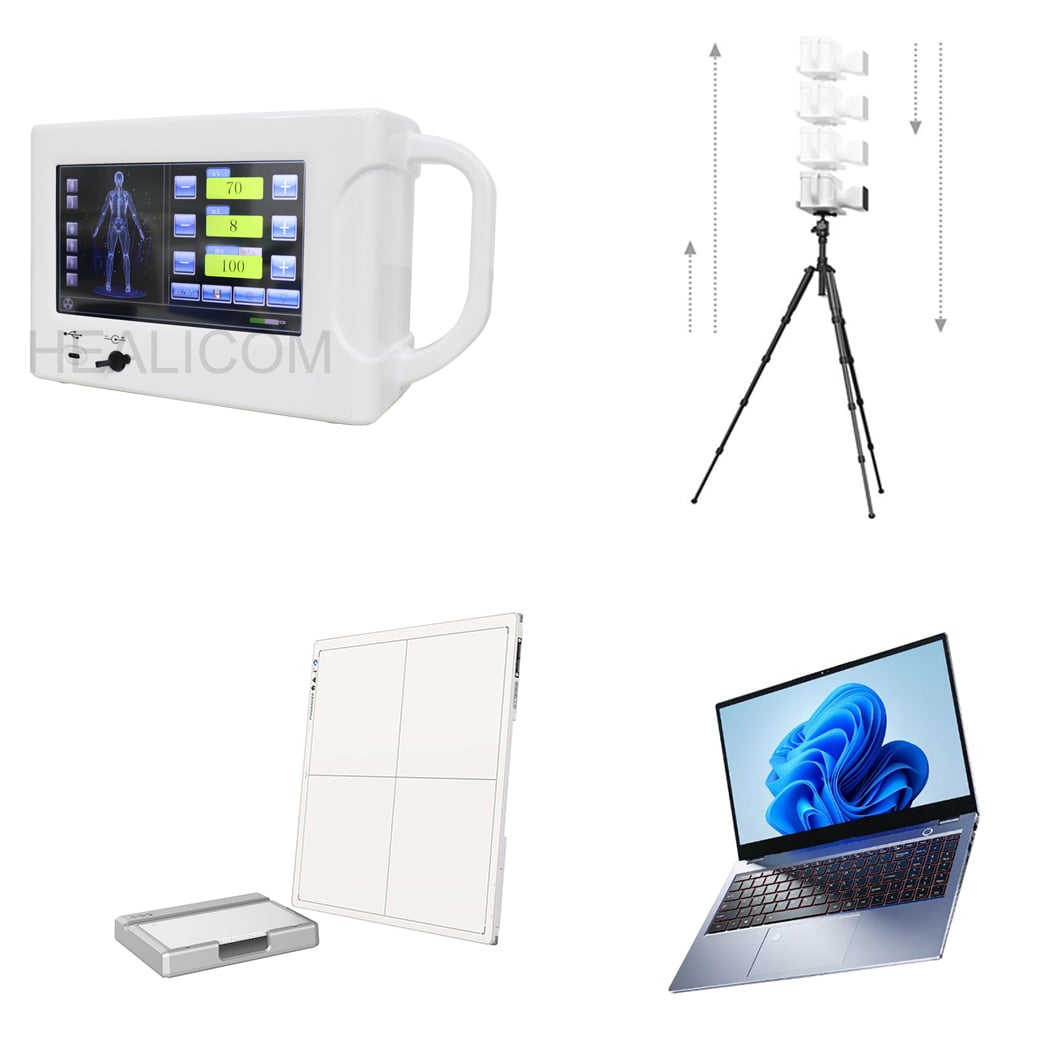
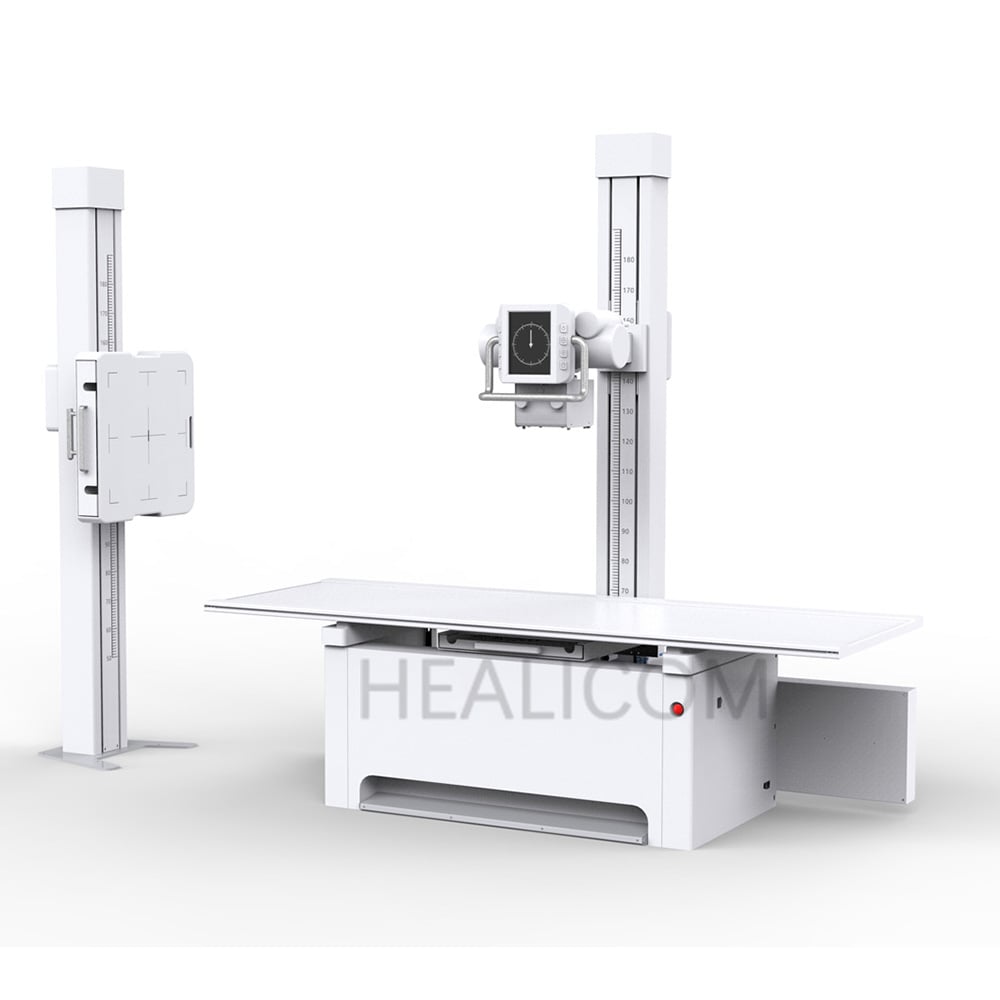
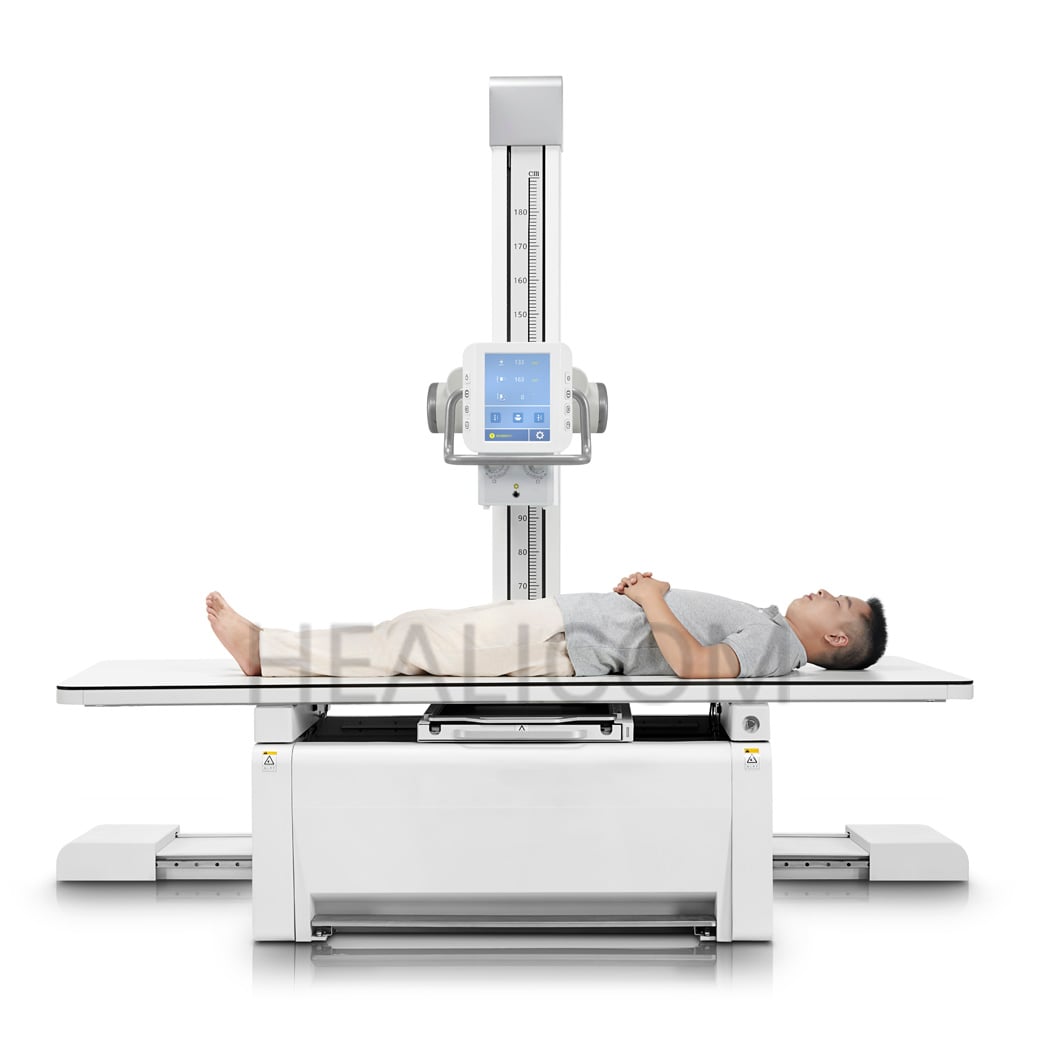
The traditional way of doing imaging means moving patients all over the hospital to get scans done in radiology departments. This creates scheduling headaches, adds unnecessary delays when transporting folks around, and sometimes even puts clinically unstable patients at greater risk. That's where portable X-ray machines come into play. These devices cut out those extra steps completely so doctors can take images right at the patient's bedside. Research indicates that this change alone can shave off nearly half the time needed before getting an image compared to regular fixed systems. A recent study from Critical Care Medicine back in 2023 found something pretty significant too: every single minute saved during transport actually lowers the chance of clinical deterioration by about 2.3%. Modern day portable units have gotten much lighter and run on batteries now, which lets radiographers work on multiple tasks simultaneously without having to wait for one thing to finish before starting another. Hospitals that switched to these portable systems see their first image times drop by roughly 30% on average, which makes a huge difference when making quick decisions about patient care.
Portable X-ray gear gives doctors immediate images right where patients are treated, cutting down wait times dramatically compared to traditional methods that take hours. For trauma situations, getting those quick results makes all the difference. Studies in the Journal of Emergency Medicine show response times drop about 55% when using these mobile systems. Remote radiologists actually help position the equipment through special software tools, which improves diagnosis accuracy without disrupting how things normally work in the ER. Fixed imaging machines struggle with slow data transfers and routing problems, but portable units let clinicians connect what they see on screen directly with what's happening during exams. That's why emergency staff rely so heavily on them for critical actions like placing chest tubes when someone has a collapsed lung or starting diuretics fast for sudden fluid buildup in the lungs. Getting treatment going within that crucial first hour after injury saves lives every day.
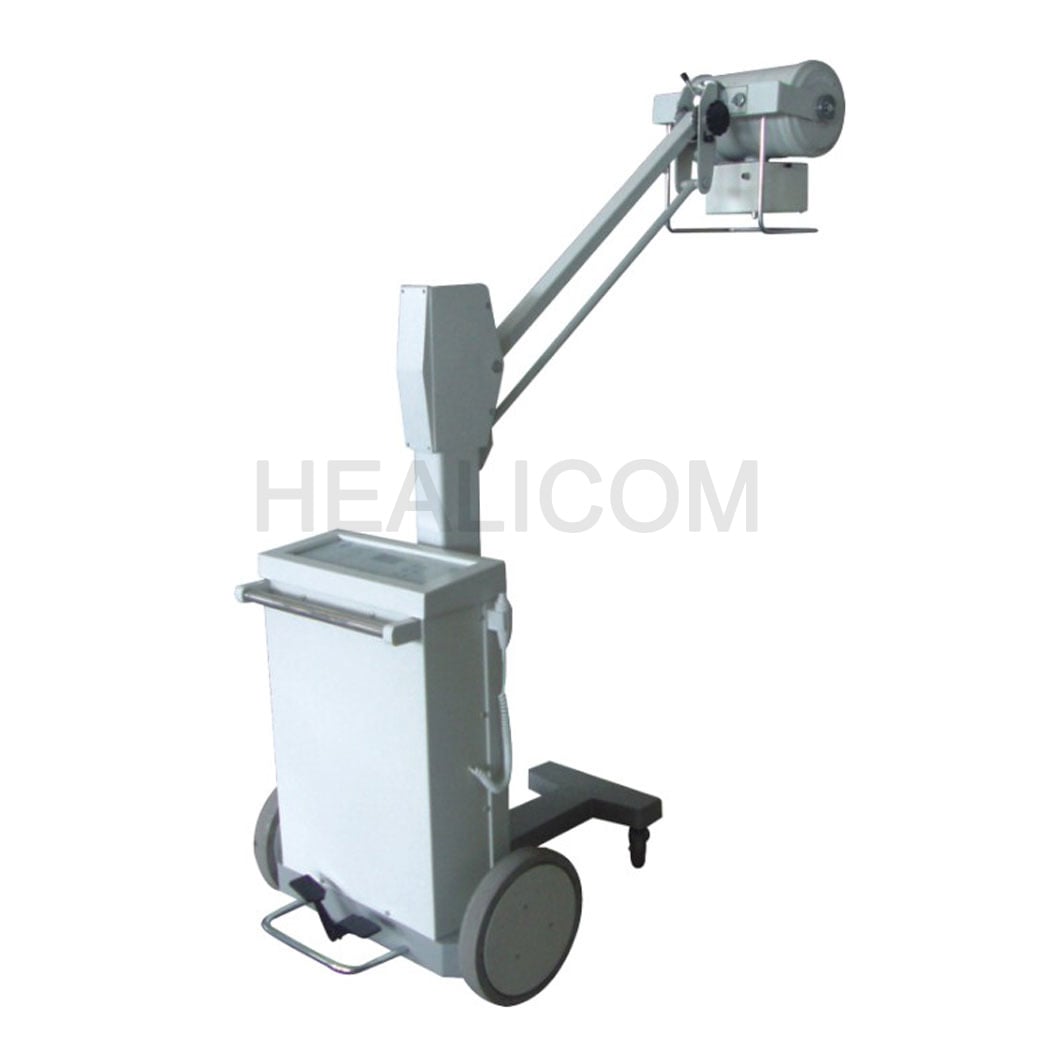
Portable X-ray machines cut down on dangerous patient transfers when someone's condition is really unstable like during trauma cases, ARDS situations, or right after they've been intubated. Doctors can now do imaging right there in the ICU, ER area, or even operating room without having to move folks who might have weak blood pressure, delicate breathing tubes, or catheters that could come loose. Keeping these patients in place helps maintain their vital signs, keeps IV lines secure, and stops ventilator connections from getting messed up. Plus it means surgical drains and chest tubes stay put where they belong. Research looking at hospital workflows shows something pretty significant too: cutting out transportation actually lowers the chance of secondary injuries by about 40 percent among very sick patients.
There's actual evidence behind how much safer bedside imaging can be. According to research published in Critical Care Medicine last year, cutting down just one minute off transport time translates to around a 2.3% drop in the chances of things getting worse clinically. That kind of straight line between time saved and better outcomes really explains why we need to keep these high-risk patients as still as possible. We're talking about folks whose blood pressure drops below 90 mmHg, those struggling to maintain oxygen saturation above 92% even with extra oxygen support, or anyone scoring 8 or lower on the Glasgow Coma Scale. For these vulnerable groups, what might seem like a routine transfer actually comes with real risks that doctors have to weigh carefully against potential benefits.
| Transport vs. Bedside Imaging Impact |
|---|
| Metric |
| Time to diagnosis |
| Clinical deterioration risk |
| Staff resource allocation |
Portable x-ray equipment transforms emergency response by enabling rapid, objective imaging at incident sites—critical when prioritizing dozens of casualties under time pressure and limited resources.
When first responders arrive on scene, they can get these portable imaging systems up and running almost immediately after making contact with patients. These devices spot serious issues like hidden lung collapses, dangerous pressure buildups inside the chest, and air pockets in the belly area in less than ninety seconds flat. That's way faster and more accurate than just looking at someone or listening with a stethoscope. What this means for actual emergency response? It speeds things up during those crucial triage decisions where time matters most. Instead of relying on what someone thinks might be wrong, medics now have real data to work with. Field crews who tested these systems during large scale disaster simulations saw a pretty impressive drop in mistakes when prioritizing care. About forty percent fewer folks were sent down the wrong treatment path, especially people whose injuries weren't obvious at first glance but could still kill them if missed.
According to the American College of Surgeons' 2024 survey, around two thirds of Level I trauma centers have started putting portable x-ray machines inside their mobile intensive care units and disaster response vehicles. There are good reasons for this trend. First, patients suffer fewer injuries during transport when they don't need to be moved again. Second, doctors can plan surgeries much faster once they see the images right away. Portable x-rays work especially well when connected to secure telemedicine systems. Specialists can look at these field images almost instantly, which means no more waiting around for diagnoses while making critical triage decisions. Real world testing shows these portable systems reduce treatment delays by nearly half compared to traditional methods where patients must wait until reaching a hospital. The equipment is built tough enough to handle anything from battlefield conditions to collapsed buildings after earthquakes, making it essential gear for anyone working in emergency medicine today.
 Hot News
 EN
EN