Specialty surgery beds offer positioning accuracy down to the millimeter something regular hospital beds just can't match which makes all the difference when doctors need clear access during complicated surgeries. For things like bone work and brain operations, getting those tiny adjustments right matters a lot for both how well the surgery goes and what happens afterward for patients. Regular beds don't move around much at all compared to these advanced surgical models that have special hydraulic systems or electric joints allowing surgeons to tweak positions while they work on height, angle, and rotation. The numbers tell a story too standard beds take about 40 percent longer to adjust according to recent reports from caregivers in 2023, and this extra time leads to delays in operations plus higher chances of infections spreading. These small changes matter because they keep everything sterile since medical staff don't have to touch the patient or equipment as much during actual procedures.
When surgeons need to change patient positioning during procedures, they rely on touchscreens built right into the operating table. These screens have preset buttons for commonly used positions like Trendelenburg, reverse Trendelenburg, and the beach chair setup. The response time is pretty amazing too - almost instant compared to old fashioned manual crank systems or basic electric controls that require someone to physically adjust things and risk breaking sterility. During surgery, especially when something unexpected happens like heavy bleeding or changes in blood pressure, being able to quickly reposition makes all the difference. For laparoscopic operations where doctors work through small incisions, those rapid tilt adjustments help keep organs from shifting around, so the surgeon maintains clear visibility without having to constantly move instruments out of the way. There's actually a big difference between regular hospital beds designed for slow adjustments and these specialized surgical tables made specifically for fast, critical movements when every second counts.
Operating room beds come with sturdy frames built to handle weights well over 500 pounds (about 227 kg), making them suitable for both patients and the bulky equipment used during surgery such as those big imaging devices or robotic surgical arms. The bed surfaces are made from materials that don't absorb bacteria easily, usually either stainless steel or special plastics, and they can take lots of sterilizations without breaking down, even when put through autoclaves repeatedly. This kind of durability really matters because it lets hospitals follow their strict cleaning routines and helps reduce those nasty hospital acquired infections that hit roughly 1 out of every 31 people staying in the hospital each day according to CDC stats from last year. The smooth surface design without any cracks or gaps makes it much quicker to clean these beds between surgeries, which saves time and keeps things running smoothly in busy operating rooms. And the joints on these beds are precision machined so the weight stays balanced no matter what position the bed is adjusted to during procedures.
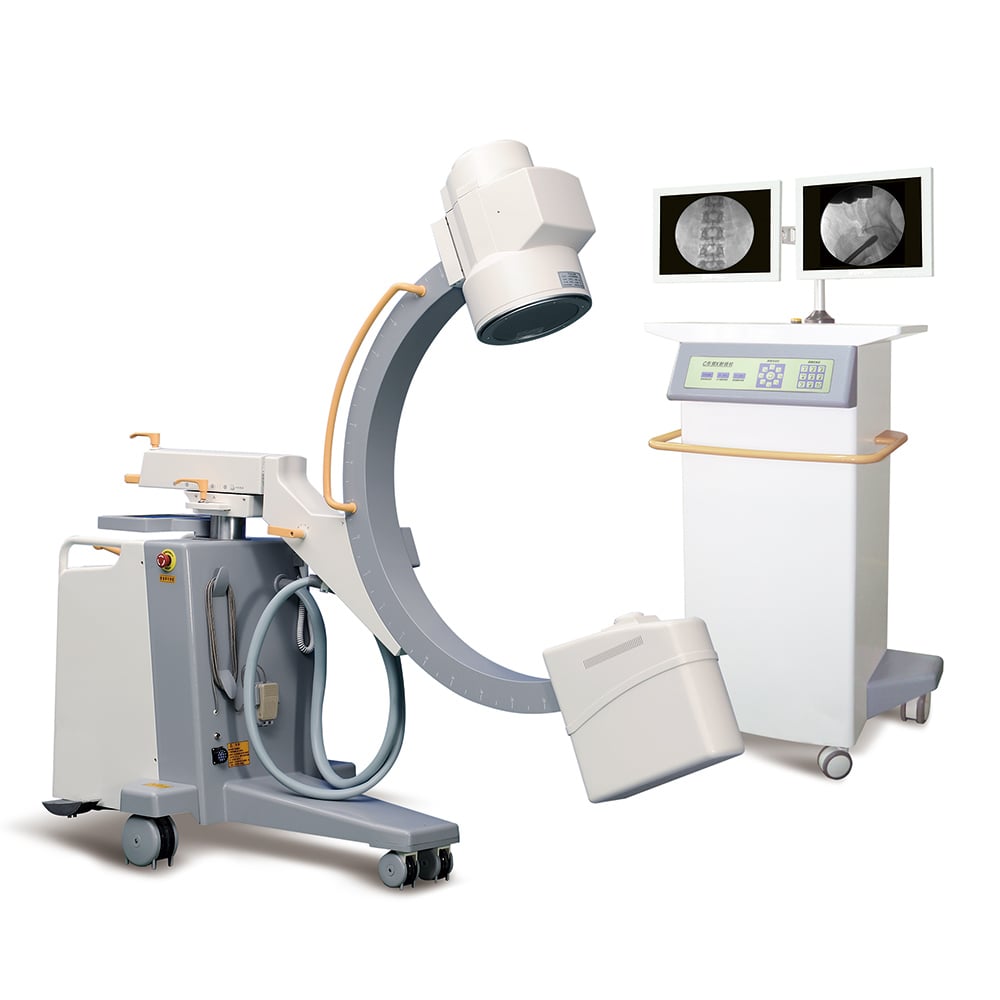
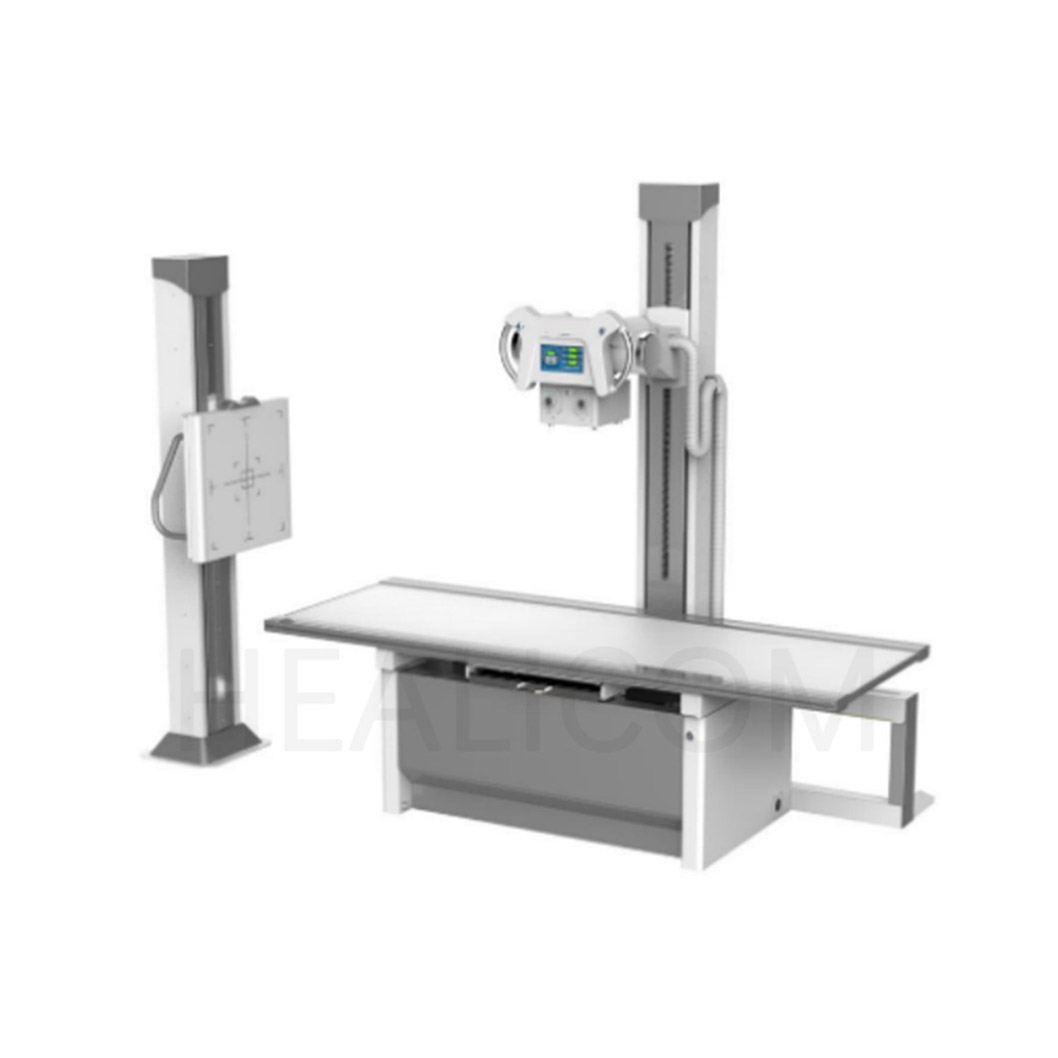
Carbon fiber composites that are radiolucent form many important parts of modern medical equipment, which lets doctors see clearly during procedures like fluoroscopy, X-rays during surgery, or CT guided treatments. Regular hospital beds have metal parts inside them that create imaging problems and block views when needed most. The newer surgery beds come with special features for drapes too. They have edges that sit lower and hardware that sits flat against the bed surface so drapes stay put without any gaps where germs might get in. Studies show these design changes help cut down on infection rates by about 20% according to research published in the New England Journal of Medicine back in 2022. The low profile design helps prevent those annoying tents from forming in the drapes or tears happening when patients need to be moved around during long surgeries or multiple stages of treatment. There are also specific ports built into these beds for things like imaging wires, suction tubes, and monitoring equipment. This keeps everything organized in the sterile area and makes it easier for staff to make quick adjustments as needed during procedures.
Operating tables come equipped with special safety features made specifically for those intense situations inside operating rooms something regular hospital beds just don't have. These tables have multiple mechanical locks plus electronic ones too so they won't move around unexpectedly during tricky operations, even when pushed sideways by doctors or heavy equipment. Some newer models actually use electromagnetic sensors that stop the table from moving whenever something gets too close to the joints preventing accidents or broken tools. The backup batteries last well over an hour without power, keeping important functions running like remembering where the table was positioned and maintaining locked settings crucial when patients need life support machines attached. They also have conductive materials built into them to get rid of static electricity which is super important around flammable gases used in anesthesia. And those side rails? They can hold way more than 500 pounds allowing medical staff to grab onto them securely during complicated surgeries. Each part of these tables gets tested way beyond what regulations require often double the normal standards making sure everything stays stable down to the millimeter since tiny movements can mean big differences between successful operations and serious complications for patients.
Surgical beds play a critical role in operations where patients need to be positioned dynamically, precisely, and repeatedly during procedures. These include things like orthopedic surgeries such as spinal fusions or total joint replacements, heart procedures including off pump CABG and valve repairs, plus complicated abdominal work like the Whipple procedure or liver transplants. The ability to make tiny adjustments to tilt, rotate positions, and support limbs helps surgeons get the best possible view of what they're working on, all while making space for imaging equipment, robots, or when vascular access is needed. Take intraoperative C arm navigation for instance. This technique demands continuous radiolucency and table stability down to fractions of a degree something regular hospital beds just cant deliver.
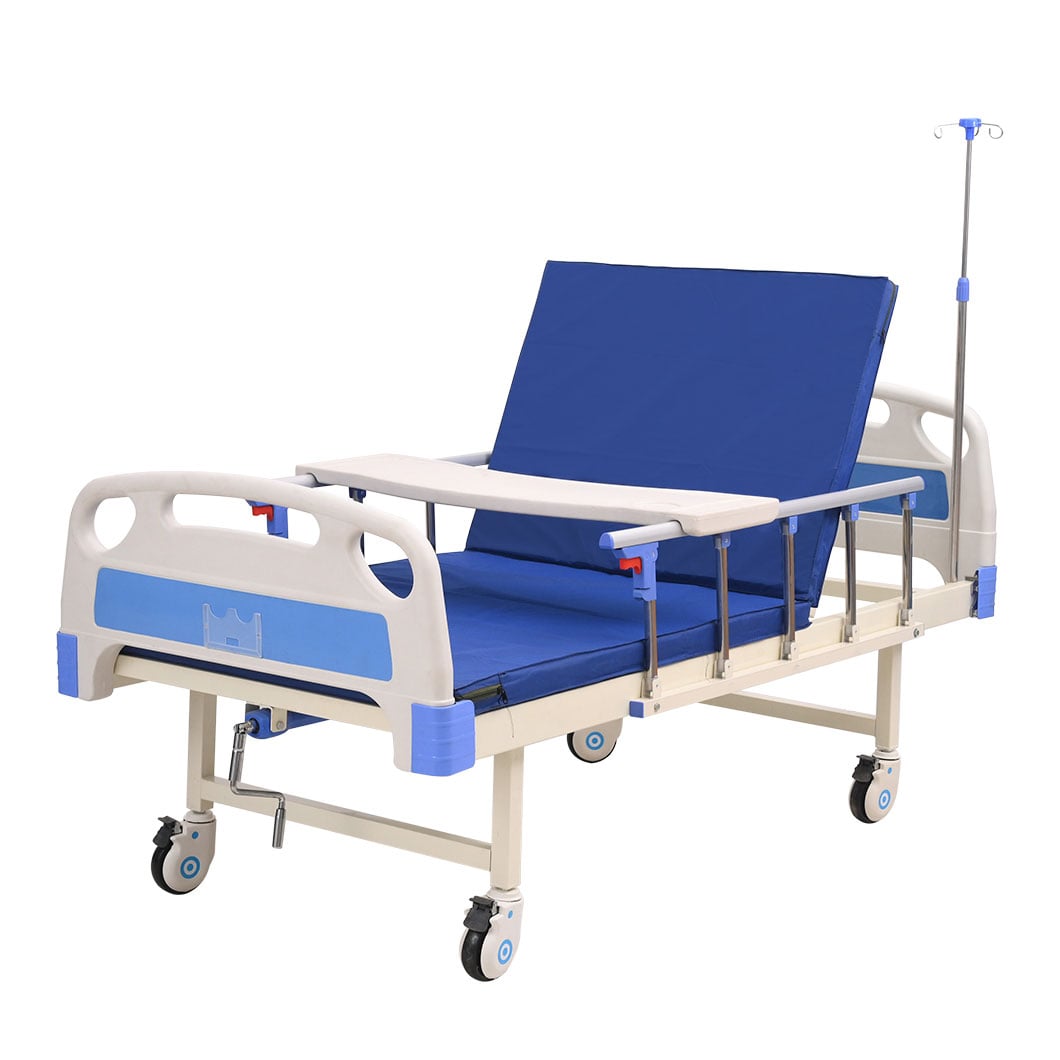
Standard hospital beds are appropriate—-and cost-effective—-for non-invasive, low-acuity care settings, including:
The pressure relief features and easy adjustments on these devices definitely help with patient comfort and protect skin while wounds heal. But when it comes to actual surgeries, regular hospital beds just don't cut it. They miss out on critical factors like quick response during operations, solid construction under stress, and maintaining sterile conditions throughout procedures. Studies from the Journal of Surgical Innovation back this up showing around an 18% better outcome rate for complicated surgeries when using tables designed specifically for those procedures. This shows clearly that operating room beds aren't just fancy versions of standard hospital beds. They're actually vital pieces of equipment needed to make sure operations go safely, work well, and save time overall.
 Hot News
 EN
EN