When someone experiences cardiac arrest, their heart stops beating properly and can't pump blood through the body anymore. This happens very quickly, often without warning. Spotting these symptoms right away is absolutely essential when using an AED for emergency care. Look for two main things: someone who doesn't respond at all when called or shaken gently, and someone who isn't breathing normally. Just because they're making strange noises or taking shallow breaths doesn't mean they're okay. Those irregular gasps aren't real breathing. Anyone witnessing these two signs together should act fast and treat the situation as cardiac arrest until proven otherwise.
Time is critical when someone collapses. First things first - get help by calling 911 or whatever emergency number works where you are. If no one else is around, switch on the speakerphone so both hands are free to start chest compressions right away. While doing this, yell out for an Automated External Defibrillator (AED). Getting one on scene within those crucial first few minutes can literally double someone's chance of surviving. Don't waste precious moments looking for an AED yourself before starting CPR though. Assign someone else to hunt it down as soon as possible. The brain starts losing cells pretty quickly once blood stops flowing properly through it, usually somewhere between four to six minutes. That makes each passing second absolutely vital during these emergencies.
High-quality CPR sustains vital blood flow during cardiac arrest and bridges the gap until defibrillation. Confirm unresponsiveness and shout for help—then begin chest compressions immediately while directing others to retrieve the nearest AED.
Put the heel of either one or two hands right in the middle of someone's bare chest, about where the lower part of the sternum is. Keep those elbows locked straight and push down approximately 2 to just over 2 inches deep. The rhythm should be around 100 to 120 compressions each minute, similar to the beat of a song. Make sure the chest gets to bounce back completely after each compression. Also important is keeping interruptions as brief as possible, ideally no longer than 10 seconds even when placing AED pads. Every second counts during this critical time.
Keep doing chest compressions while waiting for the AED to power on and check the heart rhythm. If someone brings the defibrillator during ongoing compressions, take just a quick second to place those pads properly on the chest, then get back into the rhythm of compressions without delay. Only stop pressing down when the machine actually says something like "Stand clear" either before it looks at the heartbeat or delivers a shock. Teams should switch off doing compressions roughly every two minutes. This helps keep the quality high since tired rescuers tend to slow down or lose depth over time, which isn't good for anyone involved.
Studies show that combining immediate CPR with AED use within 3–5 minutes improves survival by more than 40% compared to delayed intervention (Resuscitation Journal, 2023).
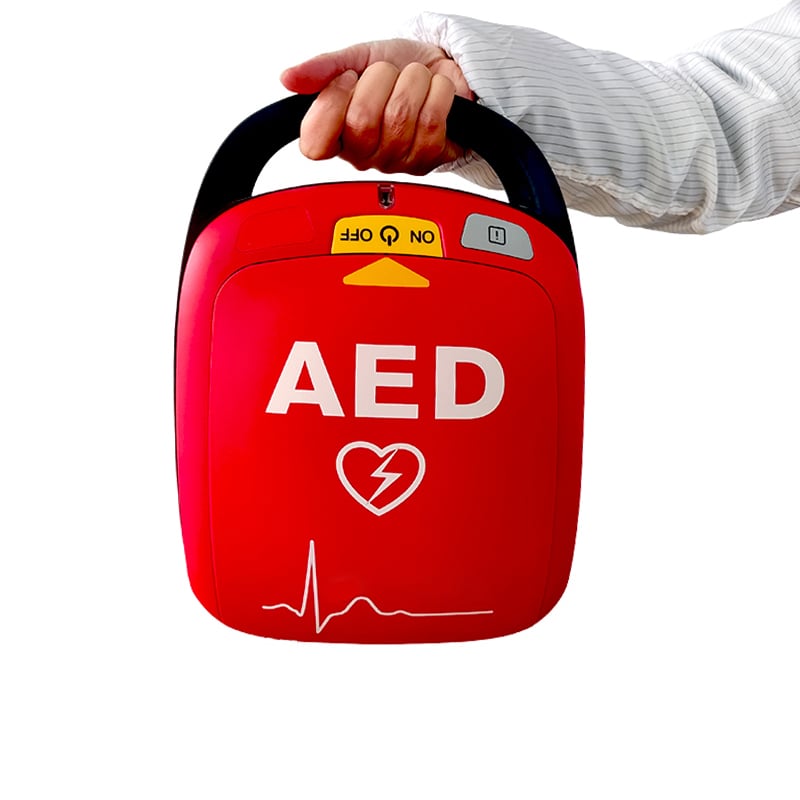
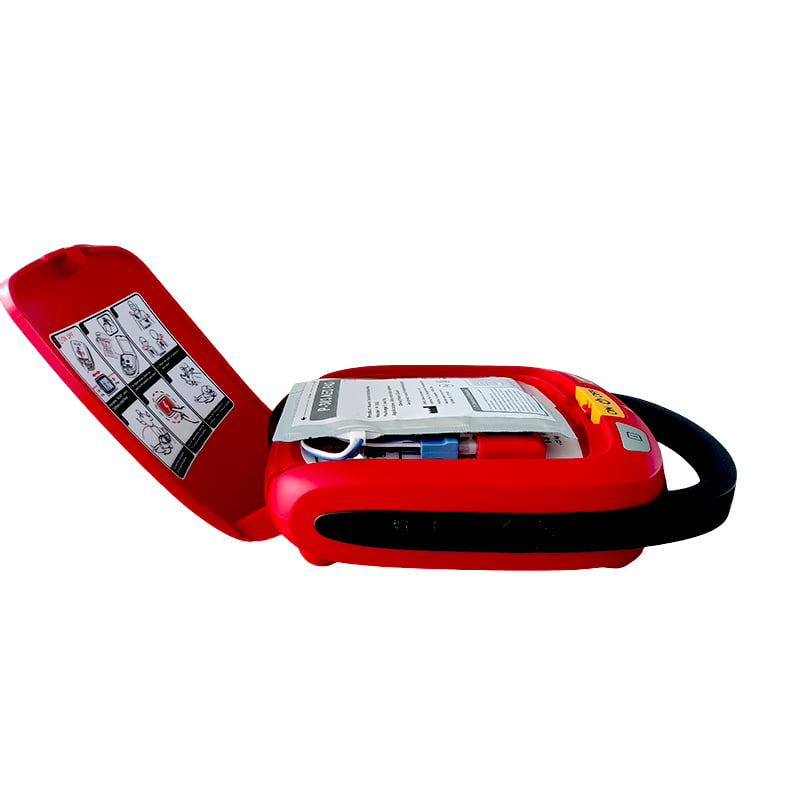
Getting good rhythm readings starts with making sure the chest is completely bare and free of sweat or dampness. Stick those sticky pads firmly onto the body - one goes under the collarbone on the right side, and the second pad should be positioned somewhere around the middle of the left armpit area. Always check where the device shows in its diagrams, but watch out for things that might block the signal like breast tissue, pacemakers, or lots of body hair (sometimes a quick trim helps here). After placing them properly, the machine takes over with spoken instructions for analyzing heart rhythms. Everyone needs to stay away from the casualty during this time because touching could mess up the reading. The unit won't suggest giving a shock unless it sees dangerous patterns such as when the heart quivers uncontrollably or beats too fast without proper blood flow.
Only stop doing CPR when the AED tells everyone to stand clear. Any movement during this time, even chest compressions, might mess up what the device is trying to analyze and give wrong results. Before placing those pads on someone's chest, make sure there are no metal things nearby like rings, necklaces, or that bra with steel wiring. Also wipe away any moisture from the skin first. Time matters a lot here - every minute without delivering a shock cuts survival chances down by almost three quarters according to research from Ponemon Institute back in 2023. Once the shock happens, get right back into CPR action within just a few seconds if there still isn't a detectable pulse. Practicing regularly with training models helps develop those automatic responses and boosts confidence levels so people don't freeze up during actual emergencies.
CPR works hand in hand with AEDs rather than against them. When someone stops breathing or their heart stops beating, CPR helps push oxygen rich blood around the body, keeping vital organs alive until help arrives. However, CPR alone won't fix what actually goes wrong inside the chest most of the time. The real problem is usually something called ventricular fibrillation, which basically means the heart muscles are quivering instead of pumping properly. This is exactly why we need those automated external defibrillators. They check how the heart is behaving and then give it an electric jolt at just the right moment to get things back on track again.
Together, they form a seamless response: CPR maintains perfusion during rhythm analysis and immediately after shocks, while the AED addresses the root cause. This synergy dramatically outperforms either technique used alone.
For optimal integration:
This coordinated approach transforms bystanders into effective first responders, turning critical minutes into meaningful survival time. As the American Heart Association emphasizes, early CPR plus rapid defibrillation remains the single most impactful intervention in out-of-hospital cardiac arrest (AHA Guidelines, 2024).
 Hot News
 EN
EN