 EN


Portable vs Stationary X-Ray Machine: Which Should You Choose?
Choosing an x ray machine is less about finding a universally suitable format and more about matching imaging capacity to a clinical workflow. A portable unit can bring examinations closer to the patient. A stationary room can support repeatable positioning, planned throughput, and a controlled imaging environment. For a hospital procurement team, the useful question is: where will the x ray machine be used most often, by whom, and under what site and quality controls?
This comparison takes a procurement perspective. It does not replace local radiation-safety rules, clinical governance, or a qualified physics and engineering review. It does, however, help a team turn a broad equipment request into a clearer decision brief.
Start with workflow, not with the equipment format
Portable systems are typically considered when moving a patient to an imaging room is difficult, disruptive, or impractical. Examples can include bedside work, intensive-care areas, emergency care, or temporary services. A stationary x ray machine is often the stronger fit when a department needs a defined room, predictable patient flow, repeated examinations, and coordinated work around a table, wall stand, or fixed detector position.
More accurately, mobility is not the same as capacity. A portable unit may improve access at the point of care, while a stationary x ray machine may simplify repeatable positioning and support a more structured examination pathway. Ask the clinical team to describe the patient journey first: transfer, positioning, exposure, image review, documentation, and return. That map is usually more informative than a feature list.
Portable and stationary X-ray machine comparison
| Decision factor | Portable system | Stationary system |
|---|---|---|
| Primary setting | Bedside, ward, emergency, outreach, or changing care locations | Dedicated imaging area with recurring patient flow |
| Patient movement | May reduce the need to move patients for suitable examinations | Usually requires a managed route to the imaging room |
| Room dependency | Needs safe storage, charging, and controlled use areas | Requires planned room layout, utilities, shielding review, and installation coordination |
| Throughput pattern | Useful for dispersed demand; travel time between locations should be measured | Useful for scheduled, repeatable work where positioning and room turnover are organized |
| Quality controls | Requires mobile-use procedures and repeatable detector, exposure, and image-review practices | Can embed acceptance tests and routine checks into a defined room workflow |
| Cost view | Include batteries, charging, storage, transport, service response, and workflow time | Include room work, utilities, shielding, installation, acceptance, training, and maintenance |
Use the table as a prompt for a joint review by radiology, clinical users, facilities, biomedical engineering, and finance. The decision becomes more reliable when every department is comparing the same configuration scope.
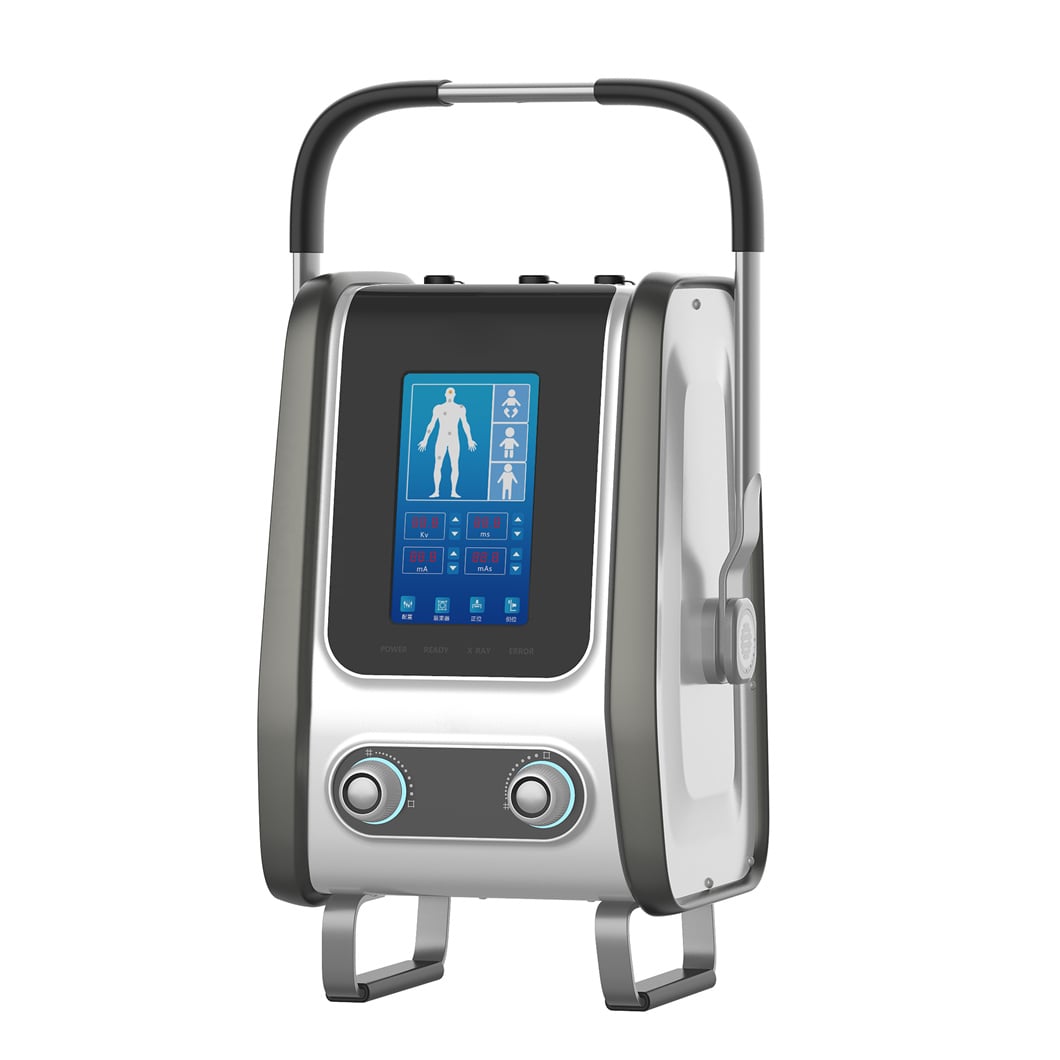
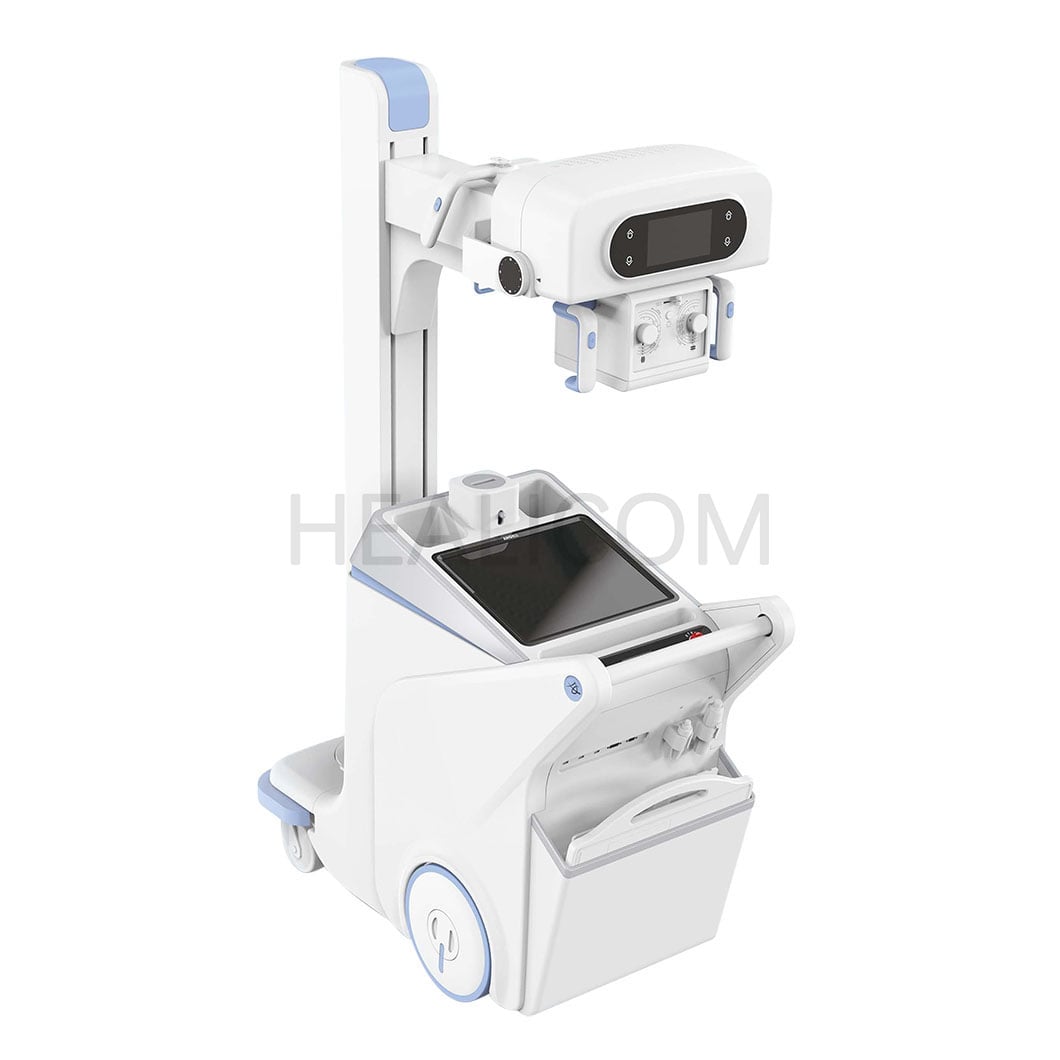
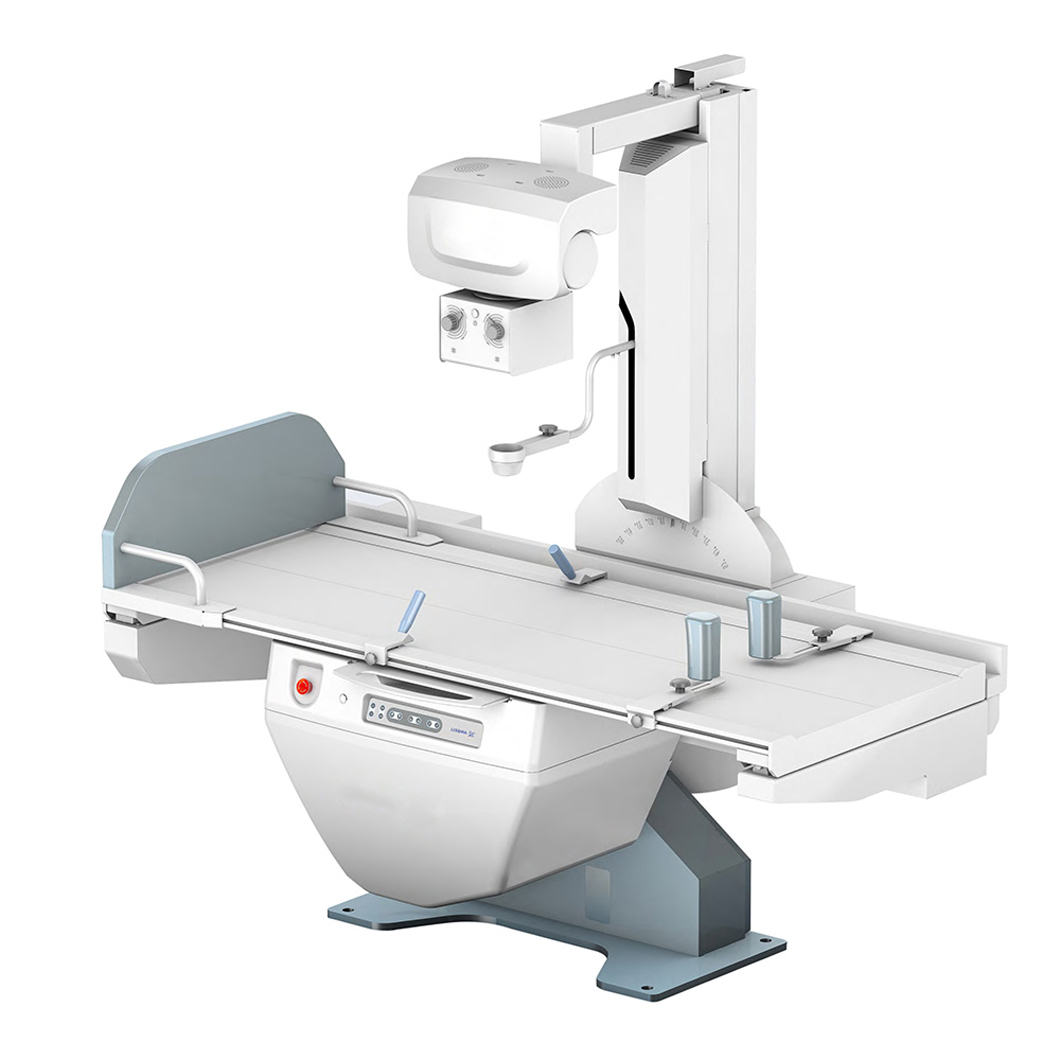 A portable and stationary x ray machine call for different workflow and site-planning questions.
When a portable X-ray machine is a practical choice
A portable x ray machine can be appropriate when the operational priority is bringing imaging to patients or care locations. The team should define the expected examination mix, number of trips per shift, lift or transport routes, detector handling, charging routine, infection-control process, and image-transfer path. These details determine whether apparent mobility becomes usable capacity.
There is an important installation boundary. A mobile unit used routinely in one location may still require that location to be assessed as a fixed installation for shielding purposes. In other words, a portable format does not remove the need for radiation-safety planning. Discuss intended use locations early with the responsible radiation-safety professional and local authority requirements.
A portable digital radiography system also needs a written handoff between the people who operate it, clean it, store it, manage batteries, and request service. If those responsibilities remain vague, the advantage of a mobile x ray machine can be reduced by avoidable downtime or inconsistent workflow.
When a stationary X-ray machine is the stronger fit
A stationary x ray machine is often selected for a department that needs a durable, organized imaging base. It can make sense when the examination room is part of an established patient route and the organization can plan the space around patient movement, staff working room, detector positions, tube travel, control location, and maintenance access.
X-ray room installation should begin before a purchase order is finalized. A facility plan normally needs to account for room shape and dimensions, nearby occupied areas, doors and windows, access routes, electrical and network requirements, equipment positioning, and the applicable shielding design. Exact requirements vary by jurisdiction and configuration, so the supplier drawing and a qualified review are essential inputs rather than afterthoughts.
For a stationary system, specify acceptance testing before delivery. Establishing baseline performance after installation supports later troubleshooting and radiography quality assurance. A useful plan can identify who records generator and exposure-control checks, collimation and alignment observations, detector performance, image-display review, corrective actions, and service documentation.
Compare total ownership, not just the quote
Medical imaging procurement benefits from a whole-project cost sheet. For a portable x ray machine, include the unit, detectors, chargers, battery lifecycle, storage, transport accessories, network integration, operator training, service coverage, and time spent moving between care areas. For a stationary installation, include room preparation, structural and shielding work where required, utilities, installation labor, commissioning, acceptance testing, user training, maintenance access, and planned downtime.
Do not assume the lower initial quote produces the lower operational commitment. A stationary project has more visible preparation work, but a portable workflow can consume staff time and require disciplined logistics. The right comparison is the cost and effort needed to deliver the intended examinations safely and consistently over the equipment lifecycle.
How to evaluate an X-ray machine supplier
An X-ray machine supplier should be able to clarify the configuration rather than offer a generic promise. Request a written scope that states what is included, what site information is still needed, which party coordinates installation activities, what acceptance documentation is supplied, how training is delivered, what service response pathway applies, and which local approvals remain the buyer's responsibility.
Ask for configuration-specific drawings and utility requirements. Then compare suppliers against the same examination mix, detector count, software workflow, room conditions, service boundaries, and commissioning expectations. This prevents a portable proposal and a fixed-room proposal from being compared as if they carried identical project obligations.
A practical decision checklist
- List the examinations, patient groups, volumes, and locations the x ray machine must support.
- Map patient movement, staff movement, detector handling, image review, and transfer points.
- Document whether use will be mobile, room-based, or routinely concentrated in one location.
- Obtain configuration-specific site-planning information before approving a stationary room project.
- Ask the radiation-safety and facilities teams to review shielding, controlled areas, signage, and local compliance steps.
- Define acceptance criteria and the ongoing radiography quality assurance records before commissioning.
- Compare supplier proposals with the same total-ownership assumptions, not only device price.
The decision in brief
Choose a portable x ray machine when patient access and flexible care locations are the governing needs, and when the organization can support safe mobile operations. Choose a stationary x ray machine when a dedicated imaging workflow, repeatable positioning, room-based throughput, and a planned installation environment are central to the service. In both cases, the soundest procurement decision is made by confirming the workflow, configuration, site conditions, quality plan, and service responsibilities together.

 Hot News

