 EN


How to Choose an ECG Machine for a Hospital or Clinic
Choosing an ECG Machine is not simply a matter of comparing a specification sheet. A hospital may need dependable throughput across outpatient, inpatient, emergency, and bedside workflows, while a small clinic may place more weight on footprint, portability, and a straightforward reporting routine. From a hospital procurement perspective, the useful question is: which ECG Machine fits the people, patient volume, accessories, software, and service resources already in place?
An electrocardiogram records the heart’s electrical activity through electrodes and lead wires connected to the device. That basic workflow is a reminder that a purchase decision should cover the entire acquisition chain: patient preparation, trace quality, review, storage, printing or export, cleaning, cable care, and support. More accurately, the goal is not to buy the longest feature list; it is to verify which features the intended workflow genuinely needs.
Start with the clinical workflow, not the catalogue
Before comparing models, map where the ECG Machine will be used and who will operate it. A high-volume diagnostics department may need rapid patient entry, repeatable acquisition steps, convenient review, and an orderly way to move reports into its record workflow. A ward team may prioritize maneuverability and a battery-supported portable electrocardiograph. A physician office may value a compact ECG Machine with clear prompts and practical report handling.
Ask the clinical and biomedical teams to describe the current path from patient arrival to a signed report. Include the number of tests per shift, the locations that need coverage, whether the device moves between rooms, and which staff members place electrodes, acquire traces, review reports, or manage files. If those conditions differ, one configuration may not be the right answer for every department.
Translate requirements into ECG recording and acquisition criteria
The lead system and ECG recording channels should be reviewed as part of a real-use scenario. A diagnostic 12-lead workflow, for example, has different needs from a limited screening or transport workflow. Rather than assuming that more channels automatically create a better choice, confirm what the ECG Machine records, displays, prints, and stores during the intended examination. Request a demonstration using the same patient-registration, acquisition, review, and output sequence the team expects to use.
- Acquisition and display: confirm the required leads, simultaneous display behavior, sampling and filtering documentation, and how a user sees acquisition quality before finalizing a trace.
- Report workflow: examine screen readability, print format, patient identification fields, export options, and the process for correcting an entry.
- Portability: for a portable electrocardiograph, verify weight, cart or carry options, battery status visibility, charging routine, and how accessories travel with the unit.
- Connectivity: ask which interfaces, formats, network conditions, and implementation responsibilities apply to the proposed ECG Machine. Do not assume compatibility from a generic brochure.
Automatic measurement or interpretation features can be useful workflow aids, but the hospital should define its clinical review process separately. They should not be presented as a substitute for qualified interpretation or local policy.
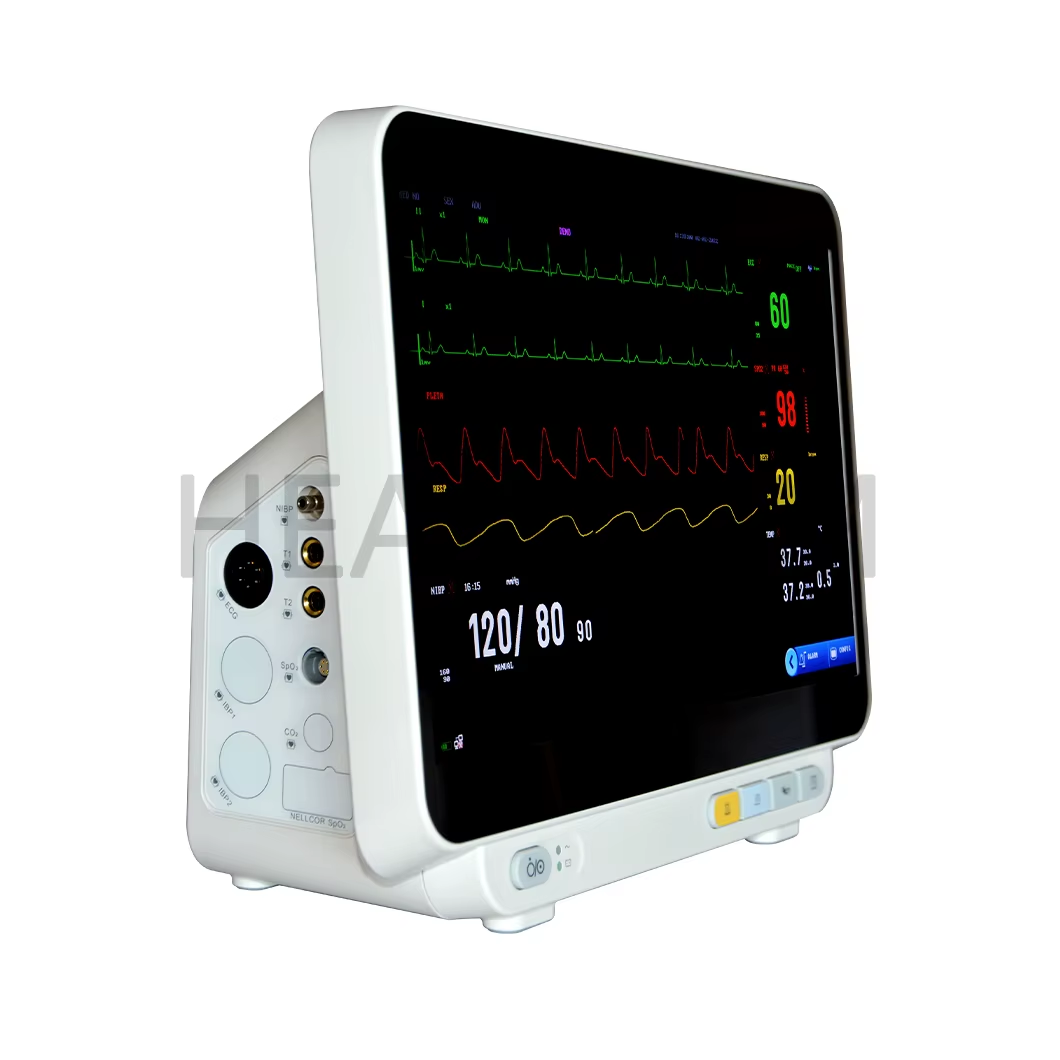
Make ECG cable inspection a purchasing requirement
Lead wires, trunk cables, clips, and electrodes affect the daily usability of an ECG Machine. A practical procurement checklist should therefore include ECG cable inspection, replacement availability, cleaning guidance, storage, and the cost and lead time for common accessories. Ask the supplier to demonstrate how staff identify a damaged lead, how the device indicates a connection issue, and how a replacement is ordered and installed.
This is a small detail with a large operational effect. If a department depends on one unit and cannot source a compatible cable promptly, a low initial purchase price may not reflect the total ownership picture. Include planned spare quantities and acceptance checks in the same evaluation sheet as the device itself.
Review safety, documentation, and acceptance evidence
Regulatory and technical documentation must match the target market and intended use. For example, US buyers can use the FDA’s Class II electrocardiograph classification under 21 CFR 870.2340 as one prompt for documentation review; it is not a universal approval claim. IEC 60601-2-25 addresses particular requirements for the basic safety and essential performance of electrocardiographs that produce diagnostic ECG reports. The procurement team should request applicable declarations, test evidence, instructions, and local-market documents directly from the ECG machine supplier, then have the appropriate internal or external specialists verify relevance.
At delivery, test the ECG Machine against the agreed configuration. Record serial numbers, installed software version where applicable, supplied accessories, print or export behavior, network setup, operator orientation, and any defects. This acceptance record makes later service discussions more concrete.
Compare total ownership, service, and training
Price matters, but it is only one line in the evaluation. A hospital procurement evaluator should compare the ECG Machine quotation alongside delivery scope, installation, operator training, preventive-maintenance expectations, warranty conditions, response channels, accessories, software terms, and replacement-part availability. A clinic may need a simpler support arrangement, whereas a multi-department facility may require clearer escalation and uptime planning.
| Decision area | Verification question | Evidence to request |
|---|---|---|
| Workflow fit | Can this ECG Machine support the expected patient volume and locations? | Demonstration against the local workflow |
| ECG recording channels | What is acquired, shown, printed, and stored in the required use case? | Configuration sheet and sample report |
| Accessories | How will ECG cable inspection and replacement be handled? | Accessory list, care instructions, spare-part terms |
| Support | What can the ECG machine supplier commit to in writing? | Service scope, training plan, and response process |
Use a structured supplier demonstration
A supplier demonstration is most useful when it is scripted. Give each ECG machine supplier the same checklist: register a patient, connect leads, acquire a trace, show quality indicators, create the required output, explain data transfer, identify routine cleaning, perform an ECG cable inspection scenario, and explain support escalation. The same approach lets a procurement group compare an ECG Machine on evidence rather than presentation style.
Where possible, include end users, biomedical engineering, IT or records stakeholders, and procurement in the review. Medical equipment buying involves several roles, and a technically suitable ECG Machine can still create friction if its files, accessories, or training plan do not fit local practice.
Final checklist before selecting an ECG Machine
- Document the departments, patient volume, mobility needs, and user roles.
- Confirm lead requirements and ECG recording channels for the intended workflow.
- Run the proposed ECG Machine through a realistic demonstration and acceptance checklist.
- Verify market-specific regulatory and technical documentation with qualified reviewers.
- Include ECG cable inspection, spares, cleaning, training, and service in the total-cost comparison.
- Ask each ECG machine supplier to confirm the final configuration and support scope in writing.
A suitable ECG Machine is one whose documented configuration, support plan, and daily workflow fit can be verified before purchase. Start with the clinical task, turn it into measurable requirements, and retain the evidence used to make the decision.
 Hot News

