EN


Steam Autoclave vs Low-Temperature Sterilization: Key Differences
Choosing between a steam autoclave and a low-temperature process is not a contest to find one universal winner. It is a compatibility decision: the device, its instructions for use (IFU), the available packaging, the facility workflow, and the validated cycle all have to agree. From a medical-equipment selection perspective, a hospital should place the item in its real reprocessing pathway before comparing an autoclave chamber, a low-temperature sterilizer, or cycle time.
For many reusable instruments, steam remains a familiar, robust option. Yet a medical autoclave cannot be used simply because it is available; heat, moisture, lumens, materials, and the device IFU can rule it out. Low-temperature technologies fill a different role for devices that cannot tolerate the conditions of steam. The practical question is therefore: which validated method fits this load and this workflow?
The core distinction: moist heat versus controlled low-temperature exposure
An autoclave uses saturated steam under pressure to deliver moist heat. Pressure helps achieve the required steam conditions; it is the controlled combination of temperature, time, steam quality, air removal, load configuration, and monitoring that makes an autoclave cycle meaningful. Steam sterilization equipment is commonly used where instruments and materials are validated for the selected cycle.
Low-temperature sterilization operates below the temperatures used by a steam autoclave. Depending on the technology and validated system, it can use agents such as vaporized hydrogen peroxide, ethylene oxide, or other low-temperature chemistry. These systems are intended for particular compatible devices and accessories, not as a blanket substitute for an autoclave. The FDA lists steam, ethylene oxide, and vaporized hydrogen peroxide among medical-device sterilization methods, and the CDC identifies low-temperature approaches as important for temperature- and moisture-sensitive devices.
Comparison at a glance
| Decision factor | Steam autoclave | Low-temperature sterilization |
|---|---|---|
| Primary mechanism | Moist heat from saturated steam in a validated cycle | Validated low-temperature sterilant process |
| Compatibility fit | Loads whose IFU permits the steam cycle and moisture exposure | Heat- or moisture-sensitive devices whose IFU permits the specific system |
| Key workflow checks | Steam penetration, drying, packaging, chamber loading, utilities | Material compatibility, lumen limits, packaging, aeration or turnaround requirements |
| Common mistake | Assuming every metal instrument belongs in the autoclave | Assuming every delicate device is compatible with every low-temperature method |
| Release basis | Facility procedure, cycle records, indicators, and IFU alignment | Facility procedure, system-specific instructions, cycle records, and IFU alignment |
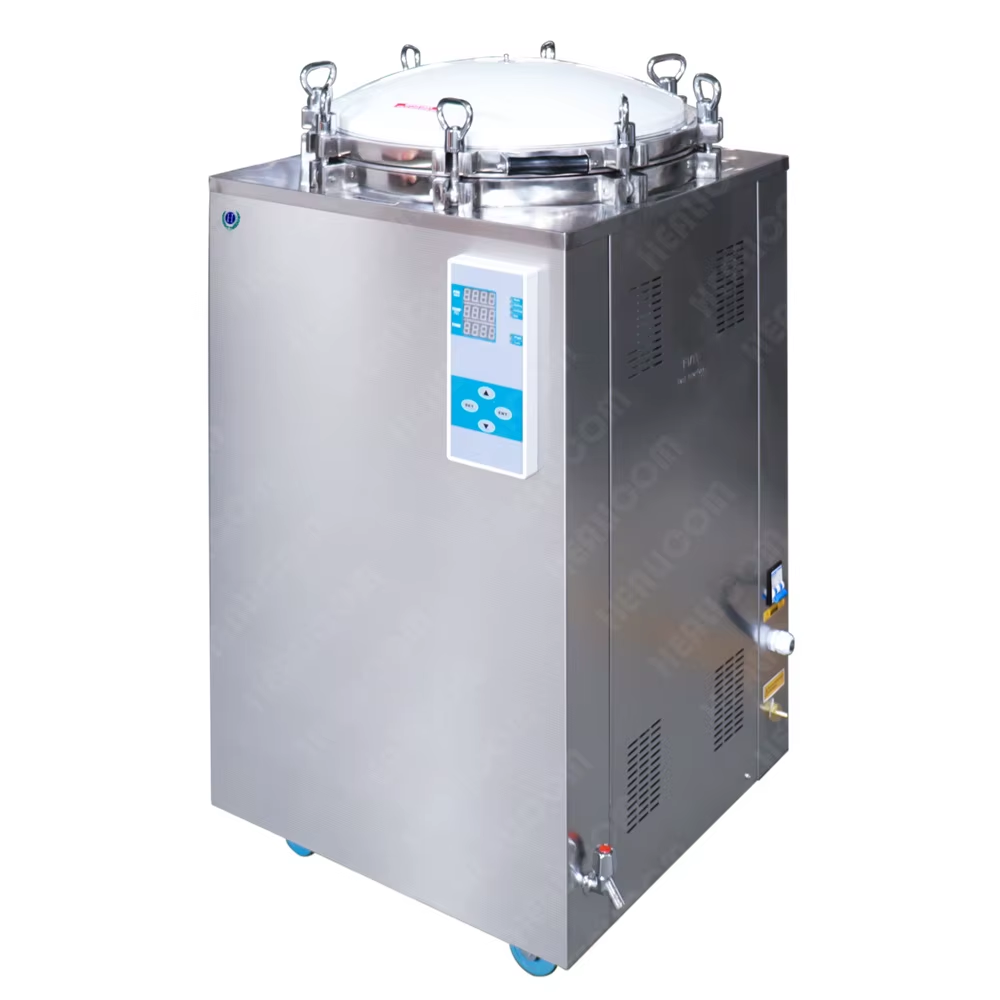 A sterilization-method comparison should start with device compatibility and the validated workflow.
When a steam autoclave is the better workflow fit
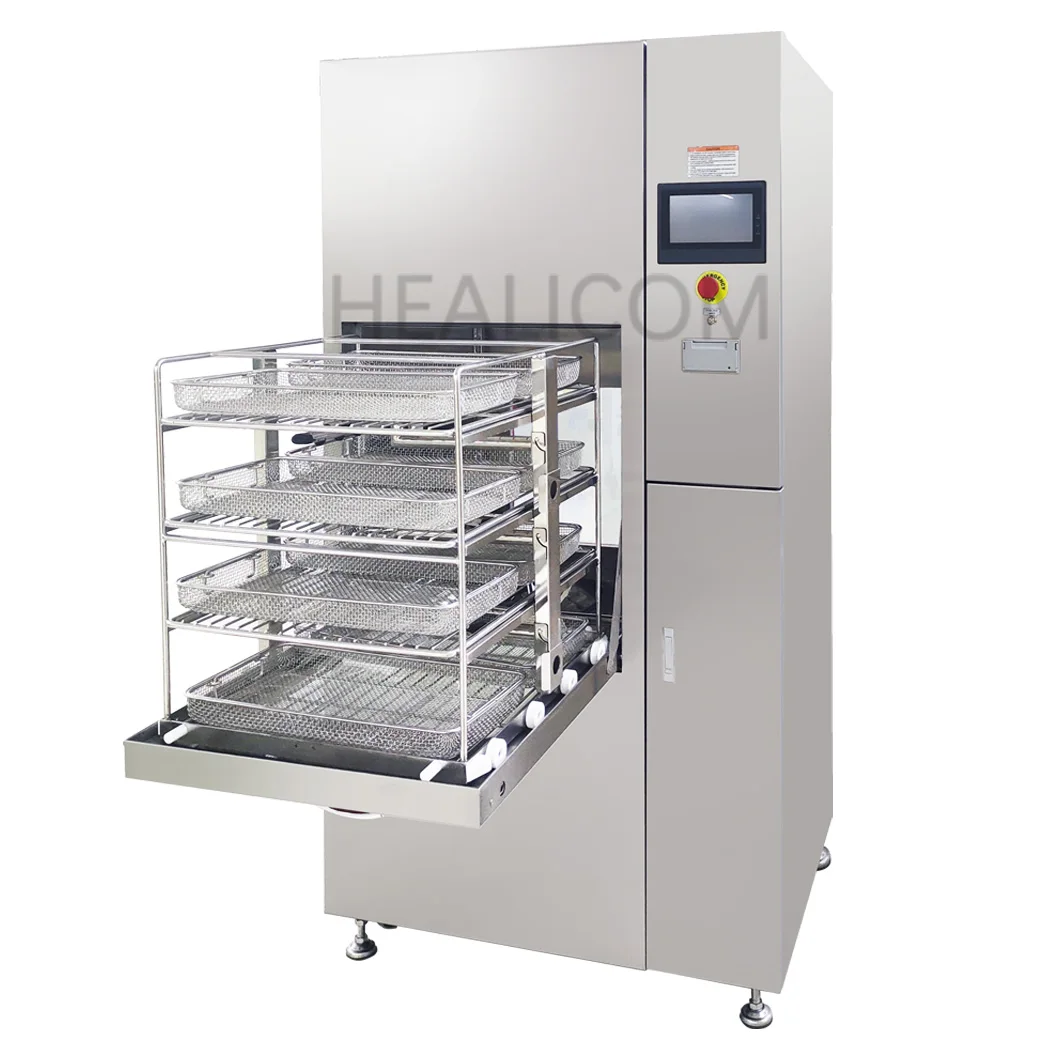
A steam autoclave is often a strong fit for reusable instruments that are designed and validated for moist heat. In outpatient, dental, and clinic settings, a medical autoclave may support a repeatable workflow for smaller compatible loads. That does not mean the same autoclave machine or cycle suits every department. Capacity, incoming utilities, staffing, load mix, and daily volume should be assessed together.
Steam sterilization equipment can be operationally straightforward when the facility can reliably clean, inspect, package, load, run, monitor, unload, and store compatible items. The selection team should compare chamber size with actual tray configuration rather than looking only at nominal volume. It should also confirm drying expectations, water quality requirements, preventive maintenance, and the documentation process needed by the hospital sterilization program.
The important boundary is device compatibility. An autoclave may damage heat-sensitive polymers, electronics, optics, adhesives, or moisture-sensitive components. Even when an item looks durable, its IFU—not appearance—determines whether the proposed autoclave cycle is allowed.
When low-temperature sterilization deserves priority
Low-temperature sterilization is usually considered when an autoclave cycle would expose the device to conditions it cannot tolerate. This often applies to complex or sensitive devices, but the method still has constraints. A hospital must match the exact system, cycle, accessories, packaging, lumen dimensions, and load configuration to the manufacturer’s instructions. More accurately, “low temperature” is a category, not a compatibility claim.
For example, a device may be suitable for one vaporized-hydrogen-peroxide system but not another cycle or packaging combination. Some methods have additional occupational, environmental, aeration, installation, or turnaround considerations. The reprocessing lead should therefore treat a low-temperature purchase as a workflow design task, not merely as an equipment replacement for an autoclave.
FDA recognition of ISO 22441:2022 provides relevant process context for low-temperature vaporized hydrogen peroxide sterilization. It does not remove the need to verify the device IFU, the sterilizer manufacturer’s instructions, applicable standards, and local policy before use.
How to compare the methods for a hospital sterilization program
Start with an inventory, not a technology preference. List reusable devices by material, heat and moisture tolerance, lumen or channel features, packaging needs, and expected turnaround. Then map each group to its approved reprocessing instructions. This approach prevents a hospital sterilization program from forcing incompatible loads into an autoclave or buying low-temperature capacity for items that already have a validated steam pathway.
- Review every current IFU. Record the permitted sterilization methods, cycle limits, accessories, and restrictions.
- Separate compatible load families. Do not mix assumptions about rigid instruments, flexible devices, powered components, and lumen-containing devices.
- Measure workflow demand. Count peak-day loads, not only annual procedure volume. Include cleaning, inspection, packaging, cooling, storage, and documentation time.
- Confirm facility readiness. An autoclave machine may require specific steam, water, drainage, ventilation, electrical, and service arrangements; low-temperature systems have their own siting and safety requirements.
- Plan validation and release controls. Define who reviews records, how indicators are handled, and what happens when a cycle, packaging condition, or load configuration falls outside procedure.
For procurement, this list changes the discussion from “Which autoclave configuration fits our device inventory?” to “Which combination of validated steam and low-temperature capacity protects our actual device inventory?” That is a more defensible question for both clinical and engineering stakeholders.
Cost, capacity, and turnaround: avoid a single-number comparison
The purchase price of an autoclave or low-temperature unit is only one part of the decision. A useful comparison includes installation, utilities, consumables, maintenance, staff training, monitoring materials, cycle duration, cooling or aeration steps, and contingency capacity. A lower-cost autoclave can be the right choice for compatible loads, while a low-temperature system can prevent workflow bottlenecks for sensitive devices. Neither conclusion should be made without device-level compatibility data.
Capacity deserves the same discipline. A large autoclave chamber is not automatically more productive if load configuration, drying, or staging is poorly designed. Conversely, a low-temperature system should not be evaluated only by cycle duration when packaging preparation and device-specific restrictions determine the real turnaround. Review the whole pathway from dirty receipt to sterile storage.
Questions to ask before selecting an autoclave or low-temperature system
- Which reusable devices are explicitly validated for the proposed autoclave or low-temperature cycle?
- What load configurations, packaging, lumen limits, and accessories are allowed?
- What utilities, ventilation, drainage, water treatment, and space are required?
- How will the team document cycle monitoring, release decisions, maintenance, and staff competency?
- What backup pathway exists if the autoclave, low-temperature unit, or a validated cycle is unavailable?
Bottom line
Steam and low-temperature sterilization solve different compatibility problems. Choose an autoclave when the device IFU supports moist heat and the facility can sustain the validated steam workflow. Choose a low-temperature method when the device requires it and the exact system’s compatibility conditions are met. For a medical autoclave, steam sterilization equipment, or broader hospital sterilization plan, the safest procurement approach is to verify the device inventory first, then select equipment and processes that match it.
 Hot News