 EN


What Should Importers Know About Medical X-Ray Suppliers?
Importing an x ray machine is not a simple purchase of a cabinet and a detector. It is a cross-border project involving equipment scope, local authorization, site readiness, shipment protection, acceptance testing, and service responsibility. From a hospital procurement evaluator’s perspective, the useful question is not “Which x ray machine has the longest feature list?” It is “Can this supplier document, deliver, install, and support the exact configuration our market and clinical workflow require?”
The following due-diligence route helps importers. It does not replace local regulatory, radiation-safety, clinical, electrical, or engineering review. Instead, it helps a buying team turn an x ray machine quotation into a set of verifiable decisions before a purchase order is released.
1. Define the intended use before comparing suppliers
Start with the use case, not with a generic x ray machine brochure. A fixed room system, a mobile unit, and a portable X-ray machine can all produce radiographic images, yet they create different requirements for patient flow, power, shielding, transport, operator training, and installation. Ask the end user to describe examination types, daily volume, patient mobility, room dimensions, power availability, and whether bedside work is expected.
Then write a configuration brief. It should identify the generator, tube, stand or table, radiography detector, acquisition workstation, accessories, and optional software features. A supplier should quote against that brief rather than substitute a loosely comparable x ray machine package. This also exposes whether a claimed digital X-ray system includes the detector, software license, and workstation needed to operate as delivered.
2. Separate product documents from market-entry evidence
Specifications, photographs, and a factory declaration are useful, but they are not the whole evidence set for an imported x ray machine. Requirements differ by destination and by product classification. Before committing funds, ask the importer of record or a qualified local regulatory adviser which registrations, labels, technical files, reporting duties, and import documents apply in the target market.
Ask suppliers to map their documents to the quoted configuration. The package may include a declaration, test reports, quality-system information, manuals, labels, and a configuration list. For medical electrical equipment, IEC 60601-1 is commonly used as a framework for basic safety and essential performance; diagnostic radiology configurations may also need relevant radiation-protection and particular-standard evidence. Scope matters: the buying team should confirm the applicable editions, accessories, detector, generator, and destination requirements rather than assume one certificate covers every x ray machine variation.
For example, U.S. rules include performance standards for diagnostic X-ray systems and major components under specified provisions of 21 CFR Part 1020. That is a jurisdiction-specific example, not a shortcut for another market. A credible supplier can explain which documents it can provide, what each document covers, and what the importer must arrange locally.
3. Review the imaging chain as a working system
An x ray machine should be evaluated as an imaging chain, not as a single nameplate. Request the technical data sheet for the generator and tube, then ask how those components work with the stated radiography detector and software. Check detector size, intended application, cable or wireless workflow, charging method where relevant, workstation compatibility, image storage interfaces, calibration procedure, and replacement lead time.
For a digital X-ray system, clarify which functions are standard and which require a license: image acquisition, processing presets, export, user accounts, audit logging, and service access. Do not treat a screen capture as proof that the quoted system has a required workflow. Request an itemized bill of materials, current software version, and acceptance-test procedure tied to the supplied x ray machine.
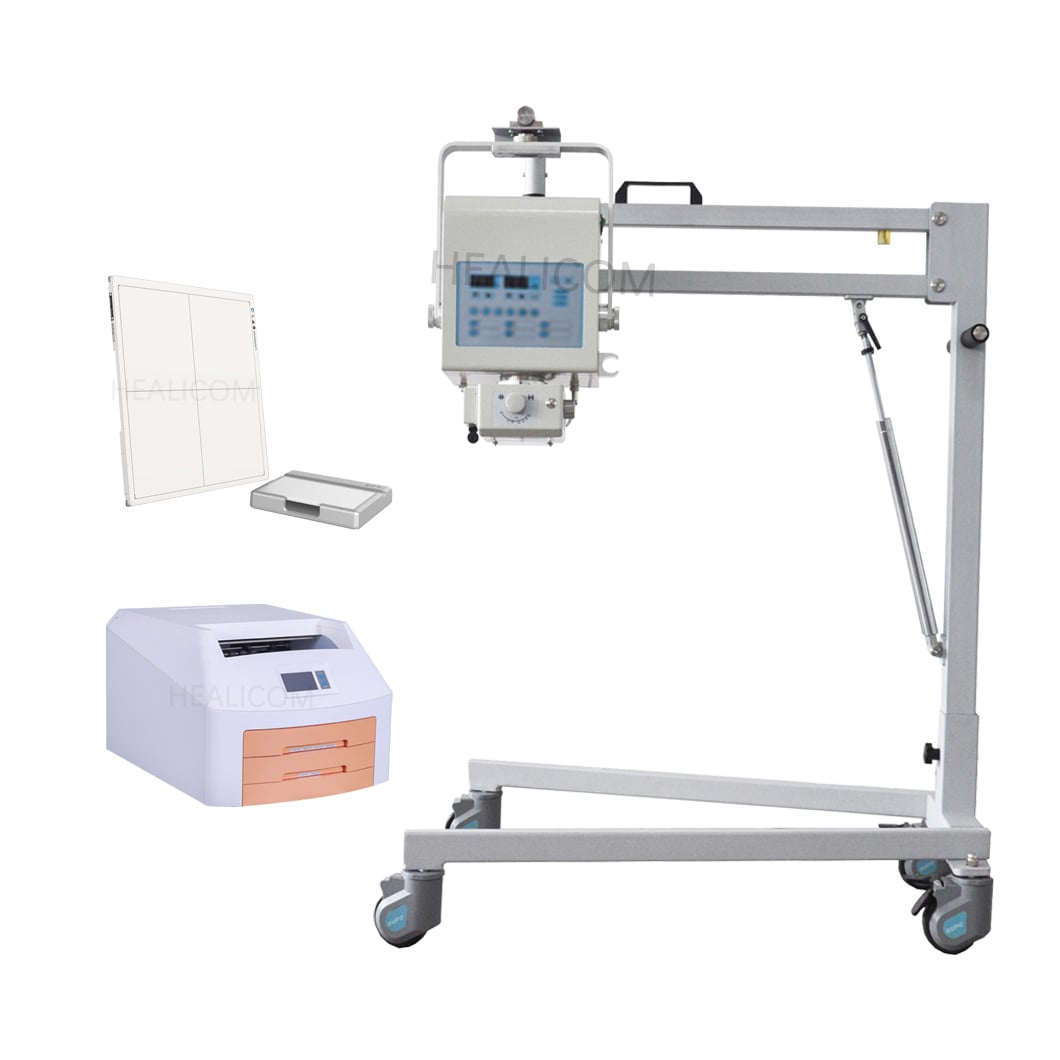
A portable X-ray machine warrants additional questions. How will it be moved, stored, charged, cleaned, and secured? What operating conditions are stated in the instructions for use? What restrictions apply to the detector and exposure workflow? Portability can support a specific workflow, but it does not remove the need for local radiation protection controls and trained operation.
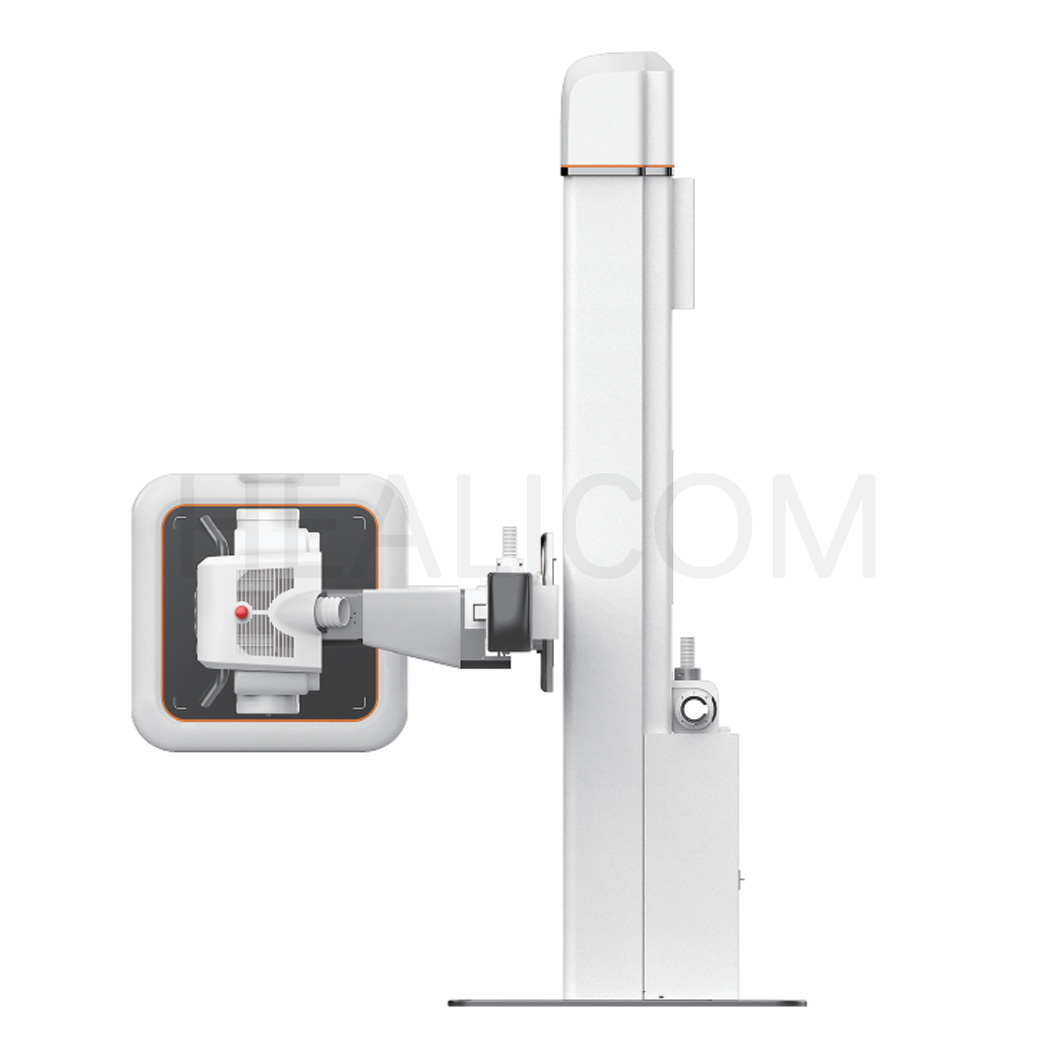 Supplier evidence and site planning should be reviewed before shipment.
4. Treat radiation protection and site readiness as early work
Importers should make radiation protection a pre-shipment workstream. Ask for the supplier’s room-planning inputs, equipment footprint, utility requirements, installation drawings, and stated environmental conditions. These inputs help the local project team coordinate shielding design, electrical work, grounding, network connections, mechanical access, and controlled areas according to applicable local rules.
A supplier should not decide local shielding requirements from a distance without site information and qualified local input. Instead, it should provide the technical details a local radiation-safety professional needs. Before a fixed x ray machine ships, compare the final room drawing, ordered configuration, accessories, and installation checklist. Late discovery of a clearance or power issue can delay acceptance far more than a careful review before production.
5. Assess supplier capability through traceable answers
Good supplier due diligence is less about marketing language and more about response quality. Send the same structured questionnaire to each candidate for an x ray machine. Ask who manufactures each major component, how serial numbers are recorded, how changes are controlled, where manuals are maintained, and who handles installation and remote troubleshooting. Ask for sample packing information, warranty terms, excluded items, spare-parts availability, and the escalation path after commissioning.
Training deserves its own line item. A fully configured x ray machine can still become difficult to adopt if operators do not understand workflow boundaries, daily checks, or when to contact service. Request a training outline for operators, biomedical staff, and local service personnel. Confirm the training language, delivery method, attendance record, and any materials that remain with the facility.
Ask how the supplier handles nonconformities found during factory inspection, transit damage, missing accessories, or failed acceptance checks. The answer should identify evidence, responsibility, response timing, and corrective-action records rather than rely on broad assurances.
6. Build acceptance criteria into the purchase order
Do not leave acceptance to an informal first-use conversation. Attach a checklist to the purchase order for the x ray machine configuration, labels, documents, accessories, installation conditions, training, and functional checks. Include serial-number matching and a process for documenting shortages or damage at delivery. For the radiography detector, include the supplied model, accessories, charging items, and the specific workflow checks expected at handover.
For a digital X-ray system, acceptance should confirm that the workstation, detector, exposure equipment, and licensed functions communicate as agreed. For a portable X-ray machine, confirm the storage, charging, transport, and operator procedures relevant to the facility. Any issue found during acceptance should become part of the next project’s site and configuration checklist.
A practical importer checklist
- Match the x ray machine configuration to the intended use and site.
- Verify market-specific regulatory and import obligations before shipment.
- Request configuration-specific documents, not generic claims.
- Review the generator, tube, detector, workstation, software, and accessories as one system.
- Plan radiation protection, utilities, and installation with qualified local parties.
- Define packing, inspection, training, spare-parts, service, and acceptance responsibilities in writing.
When importers use this sequence, they can compare an x ray machine supplier on evidence and project readiness rather than on a quotation alone. The next step is to send a configuration brief and due-diligence checklist, then resolve unanswered items before the equipment moves into production or shipment.


 Hot News

