 EN


How to Plan Sterilizer Procurement for a Dental Practice
Buying a sterilizer for a dental practice is not simply a matter of choosing a chamber size or comparing quotations. The right purchase has to support the actual path instruments take from chairside collection through cleaning, packaging, a validated cycle, release, storage, and reuse. A good procurement plan makes that path visible before a team selects equipment.
For a practice manager, dentist, infection-control lead, or purchasing colleague, the useful question is not “Which sterilizer has the longest feature list?” More accurately, it is: “Can this sterilizer support our instrument mix, daily schedule, available space, monitoring routine, and service plan?” This article offers a practical framework for answering that question. It is general procurement guidance, not a substitute for local regulations, clinical judgment, or the selected manufacturer’s instructions for use.
Start with the reprocessing workflow, not the product brochure
Map a normal clinical day before drafting a specification. Record how many procedures occur in each session, which reusable instruments and handpieces move through reprocessing, who prepares packs, and when staff need instruments back in circulation. Include peak periods, not just average volume. A small practice with clustered appointments can need different capacity and turnaround planning than a larger practice with a steady all-day load.
This first map should separate cleaning and inspection from sterilization. Medical instrument disinfection and cleaning are important preceding steps, but they are not interchangeable with the sterilization cycle required for reusable instruments that must be sterilized. CDC dental guidance emphasizes heat sterilization for removable intraoral instruments that can tolerate it, following the manufacturer’s instructions. That makes compatibility with the instrument manufacturer’s reprocessing instructions a procurement input, rather than an assumption made after sterilizer delivery.
Ask the clinical team to list instruments by load type: wrapped sets, loose items where permitted by the workflow, handpieces, porous or hollow items, and any heat-sensitive devices. This helps the practice avoid an early mistake: buying a steam sterilizer based only on chamber volume, then discovering that the cycle options, loading accessories, or processing capacity do not suit the actual trays and packs.
Turn demand into a written sterilizer requirement
A short requirements document gives every supplier the same baseline and makes quotations more comparable. It should describe the workload, room constraints, required documentation, preferred installation date, and post-purchase support expectations. Treat it as a living document: revise it after site review and staff feedback rather than forcing a premature final decision.
- Workload and turnaround: expected instruments per session, peak loads, desired turnaround, and contingency capacity if one unit is unavailable.
- Load and cycle needs: instrument categories, packaging practices, required cycle types, and the need to verify cycle suitability with the instrument and sterilizer instructions.
- Space and utilities: bench footprint, clearance for doors and loading, drainage or water requirements where applicable, power supply, ventilation, and safe movement of clean and used items.
- Records: display, printout, or digital records needed for the practice’s monitoring and traceability process.
- People and service: training for routine operators, preventive maintenance expectations, spare parts, response times, and escalation contacts.
A medical sterilizer may offer many cycle choices, but extra options are useful only when they correspond to a documented clinical need and the team knows how to apply them. The same principle applies to automation, printers, and connectivity: evaluate the workflow they improve and the verification steps they still require.
Compare capacity in the context of instruments, packs, and appointment flow
Chamber capacity alone does not define usable throughput. Evaluate the usable rack and tray arrangement, the typical pack dimensions, loading rules, cycle duration, drying time if relevant, cooling and handling time, and the staff time required to prepare the next load. A compact steam sterilizer can fit a smaller dental room well, but its real value depends on whether it accommodates the practice’s peak demand without encouraging rushed loading or release decisions.
Build a simple peak-day table with three columns: instruments entering reprocessing, packs that can be processed per planned load, and the time at which staff need them again. Run at least one scenario for a delayed cycle or unexpected appointment. The purpose is not to create an exact forecast. It is to identify whether the proposed sterilizer configuration provides sensible buffer capacity.
Do not assume that hospital sterilization equipment is automatically a better fit for a dental practice. Larger sterilizer systems may bring different installation, utility, workflow, training, and maintenance demands. Conversely, a smaller sterilizer may be appropriate only if the documented schedule and backup plan support it. Compare like for like: the same instrument mix, cycle requirements, sterilizer room constraints, documentation needs, and support scope.
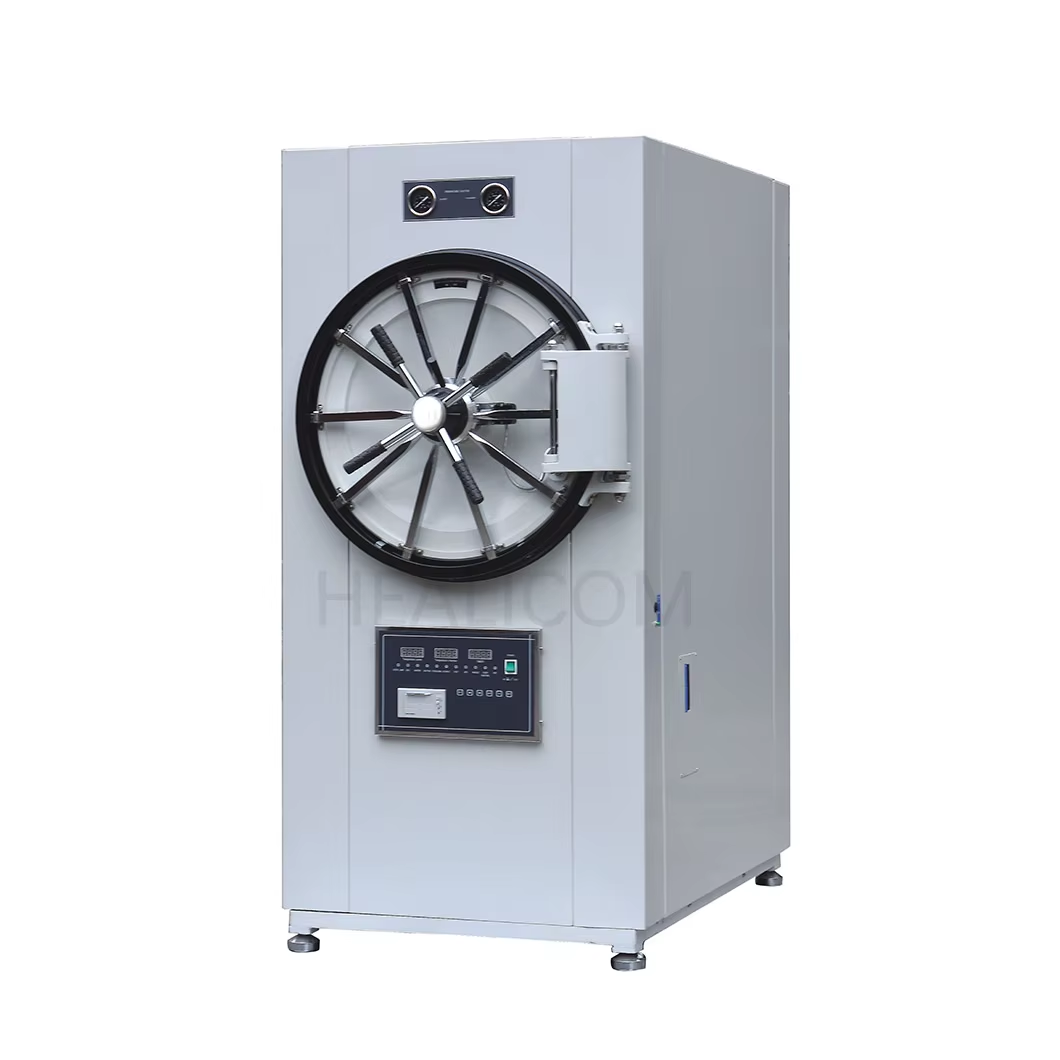 Plan equipment around the instrument workflow, records, and staff responsibilities.
Make monitoring and traceability part of the buying decision
Sterilizer evaluation should include how the practice will confirm and document each cycle. CDC describes mechanical, chemical, and biological monitoring as complementary approaches. Mechanical monitoring involves recording the cycle conditions shown by gauges, displays, or printouts. Chemical indicators help show that the sterilizing agent reached the package; CDC guidance also describes biological monitoring as a direct assessment method and recommends at least weekly biological monitoring in dental settings.
That context changes the procurement conversation. During a sterilizer demonstration, ask how the sterilizer presents cycle information, how records can be retained, and how the team will handle exceptions. Review whether a chemical indicator can be incorporated into every package according to the practice’s protocol, how staff will identify a failed or questionable load, and how biological monitoring, controls, and follow-up will be documented. A feature is only useful when the practice has an assigned action and record for it.
Assess site readiness before selecting a final configuration
Dental rooms place real constraints on a sterilizer project. Measure the intended location, door swing, work surfaces, clean/dirty separation, and staff movement. Confirm electrical capacity and any water, drainage, or ventilation conditions against the proposed sterilizer documentation. Identify where packaging materials, indicators, logs, and cooled processed instruments will be stored. These details can seem minor during quotation review, but they often determine whether the new sterilizer workflow feels orderly after installation.
Ask a supplier to state the installation prerequisites in writing and distinguish what is included from what the practice must arrange. If a distributor or supplier recommends a configuration, request the assumptions behind that recommendation: load profile, cycle type, site conditions, accessories, training, commissioning, and maintenance scope. This is a more reliable basis for comparison than broad claims about suitability.
Evaluate total ownership needs, not only purchase price
A lower initial quotation can be less economical if that sterilizer creates scheduling pressure, lacks usable documentation support, or leaves the practice without predictable service. Compare the full operating picture: installation work, consumables, water treatment where applicable, packaging and monitoring supplies, staff training, preventive maintenance, repair arrangements, lead times for parts, and the cost of downtime.
For every offer, create a single comparison sheet that states exactly what is included. Do not compare a base unit from one quote with a fully equipped package from another. If claims about certifications, cycle performance, capacity, or local eligibility influence the decision, request the relevant current documents and verify their applicability to the practice’s market and planned use.
Plan acceptance and handover before placing the order
Acceptance criteria should be agreed before delivery. Define the documents the practice expects, the accessories to be supplied, the installation conditions to be checked, the training topics, and the records that demonstrate commissioning. The purchased sterilizer should be evaluated with the actual intended loads and the applicable instructions, not just powered on for a brief demonstration.
- Confirm the delivered model, accessories, serial details, manuals, and service contacts.
- Check site conditions and sterilizer installation against the approved requirements and manufacturer documentation.
- Train all assigned operators on loading, cycle selection, recordkeeping, routine care, and response to exceptions.
- Agree the practice’s monitoring, maintenance, and incident-escalation routine before routine clinical use.
- Keep a procurement file containing the final specification, quotation comparison, documents, training evidence, and acceptance records.
Use a disciplined procurement sequence
Start with workflow, translate it into a written requirement, compare equivalent offers, verify site readiness, and set acceptance conditions before ordering. That sequence helps a dental practice select a sterilizer based on operational fit instead of isolated specifications. It also gives clinical and purchasing teams a common language for weighing a steam sterilizer, associated accessories, and support arrangements.
Before committing, revisit the most important question: can the proposed sterilizer system support our actual instrument flow while allowing staff to follow the required cleaning, packaging, monitoring, and recordkeeping process consistently? If the answer depends on untested assumptions, list those assumptions as verification items. A clear procurement plan does not eliminate every decision; it makes the remaining decisions visible and manageable.
 Hot News

