EN


How to Plan Patient Monitor Procurement for a New Hospital Ward
Opening a ward is not the moment to buy a Patient Monitor from a feature list alone. A useful procurement plan starts with the patients, clinical decisions, staff movement, and support resources the ward will have on day one. That approach prevents a familiar problem: a device looks suitable on paper, but its alarms, accessories, or workflow do not fit the people expected to use it.
For a new ward, a Patient Monitor decision should be shared by nursing leadership, physicians, biomedical engineering, infection-control staff, IT, and procurement. Each group sees a different risk. Nursing teams need a clear display and manageable alarm burden; clinicians need dependable physiologic information; biomedical engineering needs maintainability; and procurement needs a configuration that can be verified before acceptance.
1. Turn the ward plan into a Patient Monitor requirements brief
Begin with care acuity and patient flow, not a catalog. Document the planned bed count, adult/pediatric/neonatal use where applicable, anticipated transfers, isolation workflow, central-station needs, and any periods when observation is reduced. Then state which measurements are required at every bed and which are needed only in selected locations.
A ward may need a basic set of ECG monitoring, pulse oximetry, and intermittent blood-pressure measurement at most beds, while a higher-acuity area may require additional parameters or closer alarm escalation. The point is not to assume every Patient Monitor needs every option. It is to define what the clinical team must see, how quickly it must be seen, and under what conditions the information becomes actionable.
- List patient populations and acuity by bed zone.
- Map routine observation, admission, transport, and deterioration workflows.
- Specify required parameters, optional parameters, and future expansion needs.
- Identify display, alarm, network, power, cleaning, and mounting constraints.
2. Define the measurement configuration before comparing quotations
Write configuration requirements in clinical language first, then translate them into technical checks. For example, ECG monitoring should be assessed for the lead configuration, alarm presentation, electrode workflow, artifact handling, and the way staff confirm an unexpected reading. Ask the vendor to demonstrate these tasks using the intended care scenario rather than simply showing a menu.
For oxygen saturation, treat the SpO2 sensor as part of the procurement scope, not a disposable afterthought. Confirm compatible sensor types, patient-size availability, cleaning or single-use workflow, cable replacement process, and expected availability of consumables. A multiparameter monitor may support several options, but the ward still needs a documented configuration for each bed type.
For blood pressure, define how NIBP monitoring will be scheduled, interrupted, documented, and checked when a reading does not match the patient’s condition. Cuff sizes, hose connections, leakage checks, and the storage of accessories can affect everyday readiness as much as the monitor itself.
Use standards documentation as a verification point rather than a marketing shortcut. IEC 60601-2-27 addresses basic safety and essential performance for electrocardiographic monitoring equipment; ISO 80601-2-61 addresses pulse-oximeter equipment; and IEC 80601-2-30 addresses automated non-invasive sphygmomanometers. Confirm the applicable version, market authorization, and the exact offered configuration with the supplier and the hospital’s regulatory process.
3. Evaluate the Patient Monitor in the real ward workflow
Shortlist suppliers only after the requirements brief is approved. During demonstrations, ask each supplier to run the same scenario: admit a patient, connect ECG leads and a SpO2 sensor, begin NIBP monitoring, recognize an alarm, replace an accessory, document a handover, and prepare the unit for the next patient. This makes a Patient Monitor comparison more meaningful than checking a feature matrix.
Pay special attention to alarm management. Clarify which alarms can be configured locally, how limits are displayed, whether escalation pathways fit the ward’s policy, and how alarm histories are reviewed. A multiparameter monitor should help staff prioritize; it should not create avoidable noise or hide a critical change behind an unfamiliar workflow.
| Validation area | What to test before award | Evidence to retain |
|---|---|---|
| ECG monitoring | Lead setup, signal quality, alarm visibility, and staff response | Scenario checklist and training record |
| SpO2 sensor workflow | Sensor choices, cable handling, replacement, and patient-size fit | Accessory list and consumables plan |
| NIBP monitoring | Cuff range, interval programming, retry behavior, and cleaning process | Configuration sheet and acceptance tests |
| System integration | Network, central observation, data handling, and downtime procedure | IT and biomedical-engineering sign-off |
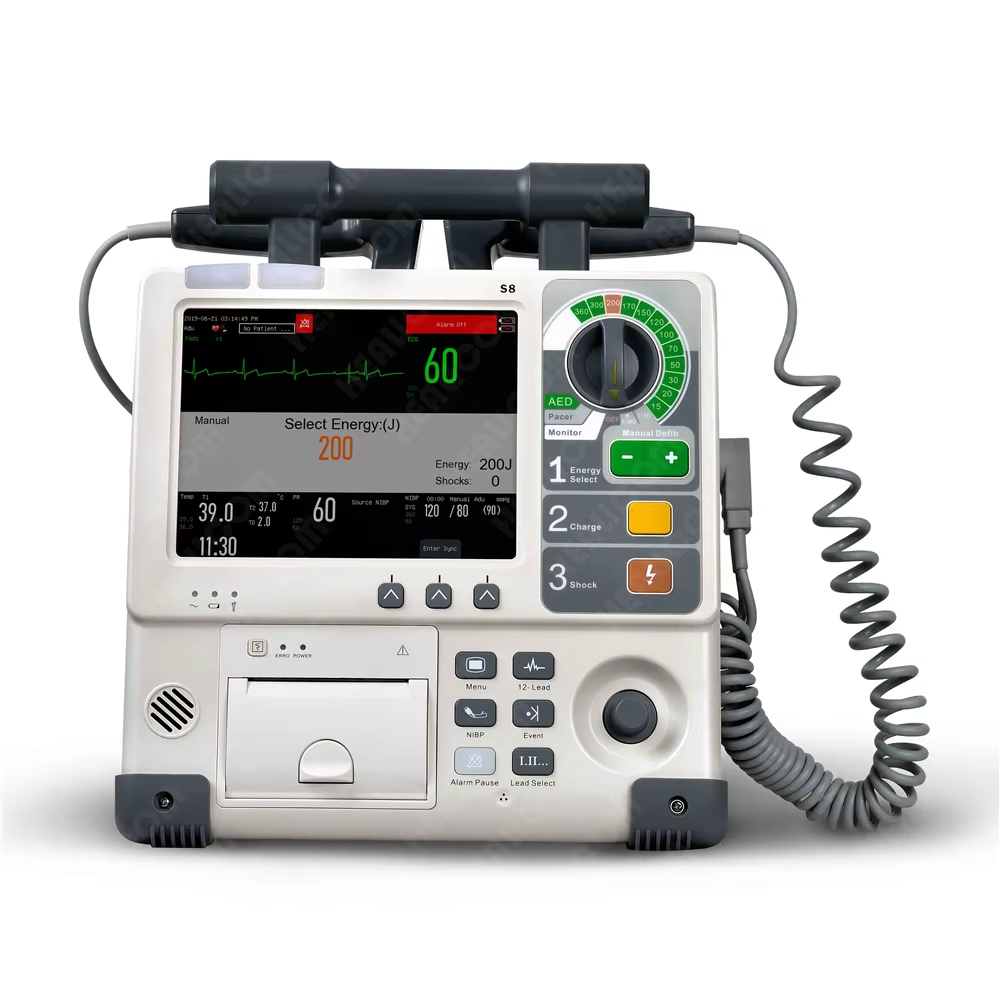 A workflow-based demonstration helps teams validate the offered configuration before award.
4. Cost the Patient Monitor system across its working life
Compare more than the unit price. A Patient Monitor program includes mounts, batteries, cables, ECG leads, cuffs, SpO2 sensor options, service coverage, preventive maintenance, software support, spare units, training, and delivery coordination. Ask suppliers to separate mandatory items from optional items so the team can compare like for like.
Clarify the service model before the contract is awarded. Who performs acceptance testing? What response time applies? Which parts are stocked locally? How are software updates assessed? How will damaged accessories be replaced? A lower purchase price can become less attractive when the ward has prolonged downtime or unclear responsibility for consumables.
5. Run a structured acceptance and go-live plan
Do not schedule installation as the final task. Create a staged plan covering delivery inspection, asset registration, mounting and power checks, network validation, configuration review, acceptance testing, staff training, and early-use support. Biomedical engineering should document the offered Patient Monitor configuration against the purchase order, while clinical leaders confirm that alarm settings and workflows match the approved protocol.
Before go-live, test ECG monitoring, NIBP monitoring, the selected SpO2 sensor, alarm audibility, battery operation, cleaning steps, and escalation during a controlled ward walkthrough. Retain the results in an acceptance file. If the system includes a central station or connectivity, include an IT downtime test and document the approved downtime procedure.
Final procurement checklist
A successful Patient Monitor purchase is a documented fit between clinical need, technical configuration, implementation capability, and ongoing support. Keep the decision traceable: requirements brief, comparative demonstration record, accessory plan, compliance documents, total-cost schedule, acceptance protocol, and training record. This gives the new ward a clearer basis for safe rollout and gives the procurement team evidence for every decision made.
 Hot News