 EN


What Is a Medical Autoclave and How Does Steam Sterilization Work?
A medical autoclave is a pressure chamber used to sterilize compatible instruments, materials, and some healthcare supplies with saturated steam. In everyday conversation, an autoclave machine is often called a steam sterilizer. The name is useful, but it can hide an important distinction: pressure makes it possible to reach and maintain higher steam temperatures; the lethal effect comes from the controlled combination of steam, temperature, and exposure time.
For a biomedical engineering or sterile-processing team, the practical question is not simply whether a chamber gets hot. It is whether the selected cycle, the load, the packaging, and the monitoring process together meet the facility’s validated requirements. That is why hospital sterilization is a workflow, not a button press.
What a medical autoclave does
An autoclave removes air from a chamber by gravity displacement or active air removal, admits steam, holds the load at a defined temperature and pressure for a specified exposure period, then exhausts steam and may dry the load. When steam contacts a properly prepared surface, it transfers heat efficiently. Under the intended conditions, that heat denatures essential components of microorganisms, including resistant spores.
Autoclaves are used in different settings: central sterile departments, clinics, dental practices, laboratories, and certain research environments. Their chamber size, controls, and load types differ, yet the central goal is consistent: deliver the validated steam process to every relevant surface of a compatible load.
How steam sterilization works, step by step
1. Cleaning comes first
Steam sterilization equipment does not replace cleaning. Soil, residues, and retained moisture can obstruct steam contact or complicate subsequent handling. Instruments should be cleaned, inspected, and prepared according to their instructions for use before they enter the autoclave. A common purchasing or workflow mistake is to treat chamber capacity as the whole answer while overlooking reprocessing steps before and after the cycle.
2. Air is removed so steam can reach the load
Air pockets reduce steam contact and can create cooler areas. In a gravity-displacement cycle, steam enters and pushes air down and out through a drain. In a prevacuum or dynamic-air-removal cycle, the system actively removes air before steam exposure. The appropriate method depends on the equipment, load configuration, packaging, and facility procedure—not on a universal preference for the faster-looking cycle.
3. Saturated steam transfers heat during exposure
Once the chamber reaches the selected conditions, exposure time begins. As an example, CDC guidance lists recognized minimum exposure periods for wrapped healthcare supplies of 30 minutes at 121°C (250°F) in a gravity-displacement sterilizer and 4 minutes at 132°C (270°F) in a prevacuum sterilizer. These are not interchangeable settings to apply by memory. Device instructions, pack density, packaging, load type, and local procedures determine the cycle that is appropriate for a given task.
4. Exhaust, drying, and handling protect the result
After exposure, steam is exhausted and a drying phase may follow. A load can have completed its exposure phase and still require careful cooling, drying, and handling. Wet packs, damaged packaging, or poor post-cycle handling can compromise the usability of processed supplies. That is why teams should consider total turnaround time rather than exposure time alone when comparing an autoclave machine.
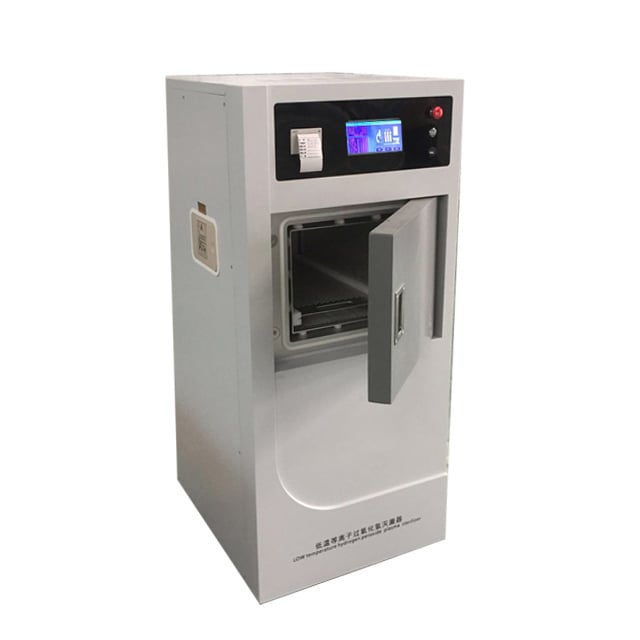 Correct loading, validated cycle selection, and careful handling all support a reliable steam sterilization workflow.
Why pressure matters—but is not the sterilizing agent
It is tempting to describe an autoclave as “sterilization by pressure.” A more accurate explanation is that pressure lets water remain steam at temperatures above its normal boiling point. The process depends on saturated steam contacting the load at a controlled temperature for enough time. Pressure readings remain important process parameters, but pressure by itself is not evidence that every surface received the required steam exposure.
This distinction helps when investigating a failed indicator, an unexpectedly wet pack, or an overloaded chamber. The answer may involve air removal, loading geometry, packaging, maintenance, or cycle selection—not merely a pressure value.
Common autoclave cycle types
- Gravity displacement: Steam enters the chamber and displaces air downward. It is commonly associated with longer exposure examples for certain loads.
- Prevacuum/dynamic-air-removal: The machine actively removes air before steam admission, supporting efficient steam penetration for validated compatible loads.
- Specialty cycles: Some facilities use cycles designed for specific materials or waste streams. These require the equipment manufacturer’s instructions and the organization’s approved procedures.
A cycle label is not a universal recipe. Before selecting one, confirm what the device manufacturer permits, what the packaging system supports, and how the facility validates the intended load.
What to evaluate in hospital sterilization workflows
When assessing a medical autoclave, begin with the real workload: instrument dimensions, daily volume, pack configuration, peak demand, utilities, room layout, and who will maintain and monitor the unit. Larger capacity can help only if loading practices, drying performance, documentation, and staff training keep pace. Likewise, a short exposure phase may not improve availability if cooling and release steps create the actual bottleneck.
Ask verification-focused questions: How are loads arranged? Which chemical, biological, or physical monitors are required by the facility’s protocol? What documentation is retained? Who reviews an exception? How are preventive maintenance and calibration handled? The answers make the difference between a purchase specification and a dependable sterilization process.
Safe takeaway
An autoclave is controlled steam sterilization equipment, not simply a heated pressure vessel. It works when compatible, cleaned items are correctly loaded and exposed to saturated steam under a validated time-and-temperature process, followed by appropriate drying and handling. For healthcare use, follow the autoclave manufacturer’s instructions, the instrument manufacturer’s instructions for use, and the facility’s infection-prevention procedures. That approach keeps the focus on demonstrated process control rather than assumptions about a cycle display.
 Hot News

