 EN


What Instruments Are Suitable for Low-Temperature Sterilization?
When a reusable device cannot tolerate the heat or moisture of a conventional steam sterilizer, the next question is not simply which low-temperature system to buy. It is whether the device, its lumen geometry, its packaging, and the facility workflow are compatible with a validated cycle. From a hospital procurement perspective, the safest choice is the sterilizer process that matches the device manufacturer’s instructions for use (IFU) and the reprocessing department’s real operating conditions.
Low-temperature options are commonly considered for heat-sensitive instruments, flexible scopes, powered devices, selected plastic components, and certain complex devices with long or narrow channels. However, a device being delicate does not automatically make it suitable for every medical sterilizer. Compatibility must be documented, not assumed.
Start With the Difference Between Disinfection and Sterilization
Medical instrument disinfection and sterilization are related but not interchangeable. Disinfection reduces many microorganisms to an appropriate level for the intended use; sterilization is a validated process intended to destroy all forms of microbial life, including bacterial spores. The required outcome depends on the device classification, the intended procedure, local policy, and the device IFU.
This distinction matters when evaluating hospital sterilization equipment. A liquid high-level disinfection process may be appropriate for a device only when its instructions allow that level of processing. It should not be presented as a substitute for a sterilization cycle when the device requires sterile use.
Which Instruments Often Need a Low-Temperature Sterilizer?
Low-temperature processing is typically evaluated for reusable devices that may be damaged, degraded, or functionally affected by high heat or steam. The exact approved method varies by manufacturer and model, but the following categories often trigger a compatibility review:
- Flexible endoscopes and accessories: Especially models with delicate optics, adhesives, polymers, or channels that require a specifically validated cycle.
- Powered surgical instruments: Batteries, motors, electronics, and insulated components may have temperature or moisture limits.
- Heat-sensitive polymer and rubber components: Some tubing, seals, and molded parts can deform or age prematurely in a steam sterilizer.
- Complex minimally invasive instruments: Devices with narrow lumens, hinges, or multiple materials require careful confirmation of cycle and load compatibility.
- Selected ophthalmic, dental, and microsurgical devices: Fine mechanisms or material combinations may call for a lower-temperature approach, subject to the IFU.
The word “often” is important. A low-temperature sterilizer should be selected only after the device category is confirmed against the IFU and a local validation record. Some devices tolerate steam well; some cannot be processed in a particular vaporized hydrogen peroxide, gas plasma, ethylene oxide, or other low-temperature cycle. The IFU and local validation record settle that question.
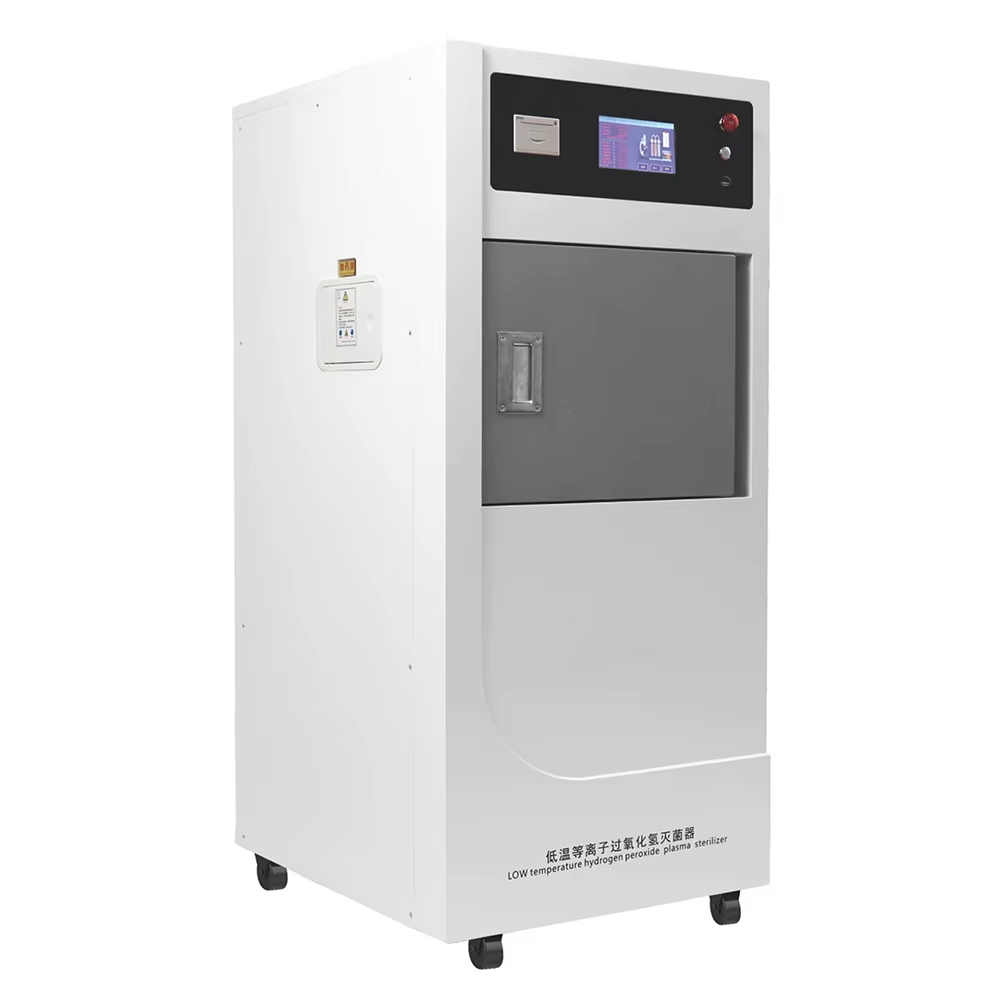 Instrument compatibility and validated cycle limits should guide low-temperature processing decisions.
Match the Instrument to the Process, Not Just the Temperature
Hospitals may encounter several low-temperature sterilization technologies. Each has different cycle conditions, material compatibility, load restrictions, monitoring requirements, turnaround characteristics, and facility implications. CDC guidance identifies ethylene oxide, hydrogen-peroxide-based processes, and peracetic-acid processes among low-temperature technologies, while also noting that efficacy can be affected by the process and the challenge posed by the load.
| Decision factor | Questions for the reprocessing team |
|---|---|
| Device IFU | Which specific sterilizer technology, cycle, accessories, and packaging does the manufacturer permit? |
| Lumens and channels | Are the diameter, length, adapters, and loading configuration within the cycle’s validated limits? |
| Materials and electronics | Could heat, moisture, chemicals, vacuum, or repeated cycles affect function or service life? |
| Throughput | Does the cycle time, aeration requirement, and load capacity support actual case volume and urgent turnover? |
| Facility readiness | Are ventilation, utilities, space, safety controls, staff training, and monitoring practices ready for the chosen medical sterilizer? |
For example, ethylene oxide can process many heat- and moisture-sensitive devices, but its facility controls and aeration needs deserve a careful review. Hydrogen-peroxide-based systems can support certain compatible loads with a different workflow, yet their limits for lumens, materials, and packaging still have to be checked against the validated cycle. In practice, the hospital is comparing a complete process, not shopping for a temperature setting.
Why Steam Sterilizers Still Belong in the Plan
A steam sterilizer remains a central option for devices that are compatible with moist heat. It is not “less advanced” than a low-temperature system; it is simply intended for a different set of materials and validated loads. Using steam for compatible instruments can preserve low-temperature capacity for devices that truly need it, simplify scheduling, and reduce avoidable processing complexity.
That is why a good equipment plan separates the inventory into three groups: steam-compatible devices, low-temperature-compatible devices, and devices requiring a specific method or special handling. This inventory review prevents a new medical sterilizer from being sized around assumptions instead of documented demand.
A Practical Selection Checklist for Hospital Sterilization Equipment
- Build a device list. Record device model, materials, channel details, accessories, intended use, and the current IFU requirement.
- Map each device to approved cycles. Confirm compatibility with the proposed sterilizer, including trays, containers, adapters, and packaging.
- Measure the real workflow. Review daily load volume, urgent cases, drying or aeration time, staffing, and handoff points between clinical areas and sterile processing.
- Verify monitoring and documentation. Ensure the plan supports the required mechanical, chemical, and biological monitoring and traceability practices under local policy.
- Check installation requirements before purchase. Space, ventilation, electrical service, water needs where applicable, safety procedures, and maintenance access can change the practical fit of hospital sterilization equipment.
- Plan training and service. A technically suitable sterilizer can still underperform if staff do not have clear loading, troubleshooting, maintenance, and release procedures.
Questions to Ask Before You Approve a Medical Sterilizer
Ask the supplier and internal stakeholders to document the answers, rather than relying on verbal assurances:
- Which of our highest-risk or highest-volume instruments are explicitly compatible with this model and cycle?
- What lumen, load, packaging, and accessory restrictions apply?
- What is the complete turnaround time, including any conditioning, drying, aeration, or cooling steps?
- What routine monitoring, consumables, preventive maintenance, and staff competencies are required?
- How will the facility verify installation, qualification, and routine control according to local requirements?
FDA guidance on reusable-device reprocessing emphasizes technically feasible instructions and compatible reprocessing equipment. For vaporized hydrogen peroxide systems, ISO 22441:2022 addresses development, validation, and routine control of the process. These references reinforce a practical rule: the equipment specification, device IFU, and facility validation plan must agree before routine use begins.
Final Takeaway
The instruments most suitable for low-temperature sterilization are not defined by a single material label or a broad claim such as “heat sensitive.” They are the instruments with documented compatibility for a specific validated process: commonly certain flexible scopes, powered tools, delicate polymers, and complex devices with approved loading conditions. Keep medical instrument disinfection separate from sterilization decisions, retain a steam sterilizer for compatible loads, and choose hospital sterilization equipment only after mapping real devices, cycles, workflow, and verification responsibilities.
For procurement teams, that disciplined sequence reduces surprises after installation and helps ensure that every sterilizer is selected for safe, repeatable use rather than a generic technology label.

 Hot News

