 EN


What Questions Should Buyers Ask an Anesthesia Machine Supplier?
Buying an anesthesia machine is not simply a matter of comparing a specification sheet and a unit price. It is an operating-room equipment decision with consequences for clinical workflow, engineering support, staff readiness, and the ability to keep a room available when service is needed. A disciplined supplier conversation helps a hospital, clinic, distributor, or project team compare like with like before a purchase order is released.
Use the questions below as a procurement discussion guide. The answers should be documented in the quotation, technical file, and service agreement—not left as verbal assurances. Clinical teams and biomedical engineering staff should make the final configuration and acceptance decisions in line with local rules and their own protocols.
1. Is this anesthesia machine configured for our actual cases and workflow?
Start with the use environment. Ask the supplier which patient categories, case mix, ventilation modes, gas delivery arrangements, and monitoring interfaces the proposed configuration supports. The phrase anesthesia workstation is broad: two systems that look similar can differ materially in installed options, vaporizers, scavenging provisions, battery capability, and interfaces.
- Which functions are included in the quoted anesthesia delivery system, and which are options?
- What consumables, accessories, and compatible vaporizer or gas-supply arrangements are required?
- What are the space, power, gas, grounding, and environmental prerequisites for our room?
- Which limitations should our anesthesia team know before deployment?
Request a line-by-line configuration list, current instructions for use, and a room-readiness checklist. This makes it easier to avoid an incomplete quote that later requires unplanned accessories or infrastructure changes.
2. What safety, verification, and documentation evidence can you provide?
A responsible supplier should be ready to explain how the proposed anesthesia machine is identified, documented, tested, and supported for the buyer’s market. Rather than asking for a generic claim of compliance, ask for the documents that let your regulatory, clinical engineering, and quality teams assess the equipment in context.
- What product identification, labeling, registration, and technical documentation are available for our jurisdiction?
- Which pre-delivery checks are performed, and will the results accompany the unit?
- What commissioning, installation, and acceptance-testing procedure will be used on site?
- How are alarms, backup power, leak tests, and the anesthesia breathing circuit verified during handover?
Keep the distinction clear between supplier evidence and local acceptance. The supplier can provide records and procedures; the buyer’s authorized team should confirm that the completed installation meets its own policies before clinical use.
3. How will the system fit into the operating room?
Compatibility is often where otherwise sound purchases become difficult projects. Ask the supplier to walk through a real room layout, not just an equipment brochure. Consider gas sources, scavenging, electrical outlets, network policies, monitor placement, equipment clearances, cleaning access, and the path staff take around the patient.
For example, ask whether the anesthesia workstation can be positioned and serviced without obstructing doors, boom systems, emergency access, or other operating room equipment. If an interface with patient monitoring, electronic records, or a central engineering workflow is proposed, ask what is included, what requires third-party work, and who is accountable for each handoff.
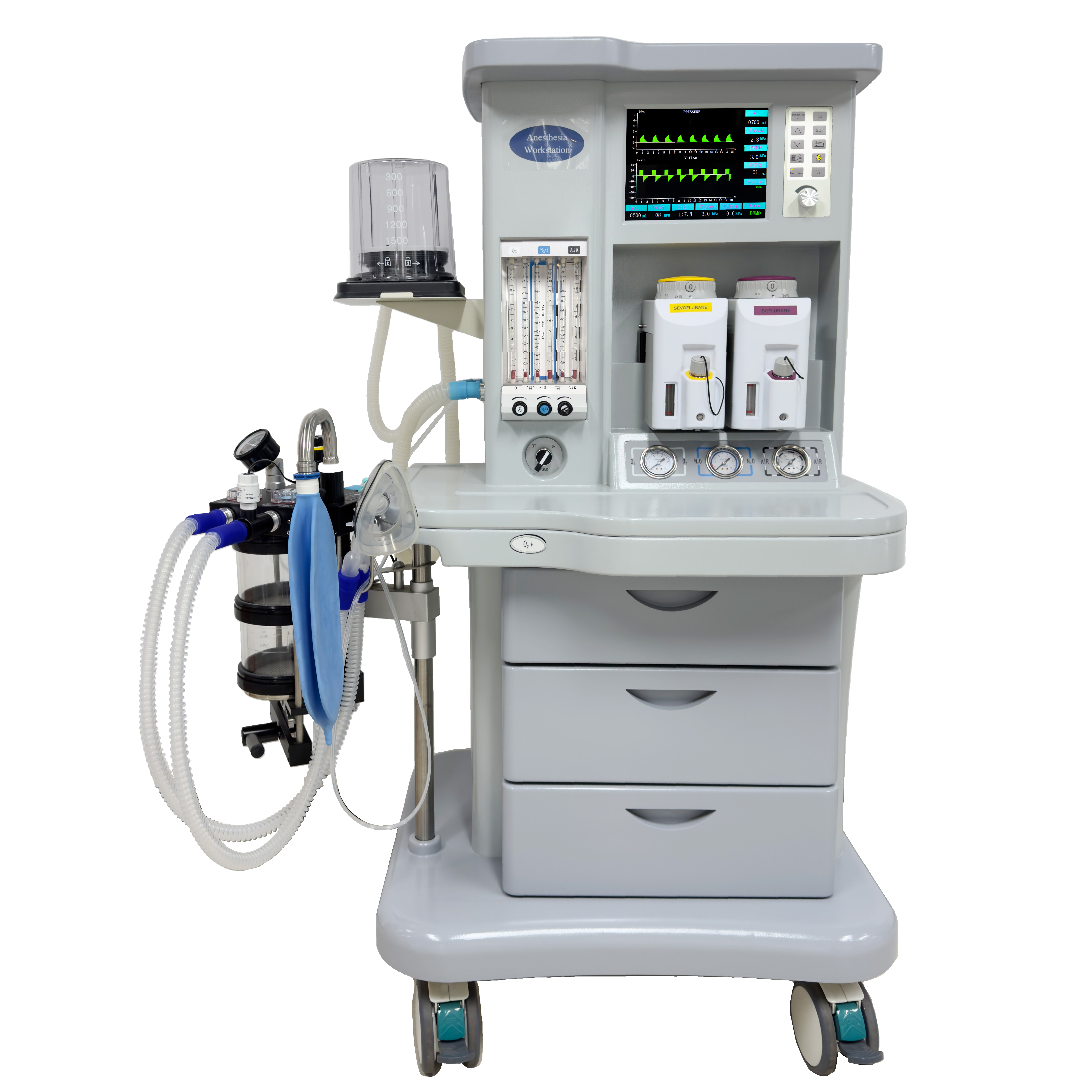 A procurement review should connect clinical workflow, room readiness, and lifecycle support.
4. What happens after installation: training, acceptance, and go-live?
The day the anesthesia machine arrives is not the end of supplier responsibility. Ask for a written implementation plan that names the people, time, prerequisites, and evidence needed for installation, acceptance testing, and user education. Training should be appropriate for the people who will use, clean, inspect, and support the equipment.
- Who delivers clinical-user and biomedical-engineering training, and what competencies are covered?
- Is training model-specific, and is refresher training available after staff turnover?
- What does the acceptance protocol include, and who signs it?
- What manuals, quick-reference materials, maintenance schedules, and service records will be handed over?
Ask the supplier to describe the escalation path for questions discovered during commissioning. A clear response reduces uncertainty when a feature, alarm, or connection needs clarification before go-live.
5. What is the maintenance and repair model?
Lifecycle support deserves the same attention as initial price. Ask whether preventive maintenance is performed by the supplier, an authorized local partner, or the buyer’s biomedical team. Then ask for evidence of model-specific training and the scope of technical support available to that service party.
- What routine inspections, calibrations, software actions, and parts replacements are recommended?
- What are the service response targets, coverage hours, and escalation contacts?
- Which repairs can be completed locally, and which require depot or factory support?
- How will service bulletins, revisions, and safety notices be communicated?
A useful answer identifies responsibilities, exclusions, response expectations, and recordkeeping—not simply a warranty duration. Buyers should also ask who will maintain the anesthesia delivery system if the original commercial relationship changes.
6. Are spare parts and consumables available for the expected lifecycle?
Ask about the availability pathway for planned-replacement items, commonly used accessories, and critical repair parts. The supplier does not need to promise a future that cannot be documented, but should be transparent about ordering channels, lead-time assumptions, minimum quantities, storage conditions, and discontinuation notification practices.
This is especially important for components connected to the anesthesia breathing circuit or to the machine’s gas-delivery and ventilation functions. The buyer should confirm approved part numbers and avoid treating look-alike components as automatically interchangeable.
7. Can you show the full commercial scope—not just the headline price?
Make the quote comparable. Ask the supplier to separate the base anesthesia machine, included options, installation, commissioning, freight, training, warranty, maintenance, and likely consumables. Clarify payment milestones, quotation validity, delivery assumptions, lead time, and the responsibilities of the buyer and supplier at each project stage.
Where a distributor is involved, ask who owns technical escalation, warranty authorization, spare-parts supply, and field service. A named responsibility matrix can be more useful than a broad statement that “support is available.”
8. What references and implementation evidence can you share appropriately?
References should help you evaluate process maturity, not substitute for your own assessment. Ask for examples of comparable installation environments, the onboarding steps used, and the types of issues that were resolved during deployment—without requesting confidential patient or customer data. If references are available, verify the relevance of the model, service region, and operating environment.
A practical supplier-question checklist
Before selecting an anesthesia machine supplier, collect written answers in five folders: configuration, safety and documentation, room compatibility, implementation and training, and lifecycle service. Have anesthesia users, biomedical engineering, facilities, procurement, and quality stakeholders review the same package. That shared review turns a sales comparison into a more reliable purchasing decision.
The strongest supplier is not necessarily the one with the shortest presentation or the lowest initial number. It is the one that can provide clear, verifiable answers about the anesthesia machine, the proposed anesthesia workstation configuration, implementation responsibilities, and long-term support boundaries.
 Hot News

