 EN


Which Instruments Can Be Processed in a Medical Autoclave?
In a busy reprocessing area, the useful question is not simply whether an item fits inside an autoclave. The safer question is whether the instrument, its disassembly state, its packaging, and the selected cycle have all been validated for steam. A medical autoclave is a valuable part of a sterile-services workflow, but it does not make every device steam compatible and it cannot replace cleaning.
For many reusable metal instruments, steam is the preferred method when the device can tolerate heat, moisture, and pressure. CDC guidance frames this condition clearly: steam is appropriate for critical and semicritical items that are heat- and moisture-resistant. For each item, however, the manufacturer’s instructions for use (IFU) and the facility’s validated reprocessing procedure remain the final decision point.
The short answer: what usually belongs in an autoclave?
An autoclave can usually process reusable instruments designed and labeled for steam sterilization. Common examples include stainless-steel surgical instruments, many dental hand instruments, stainless-steel trays, certain heat-stable glassware, and selected reusable respiratory or anesthesia components. The category alone does not establish compatibility. A hinged clamp, a cannulated instrument, and a simple solid instrument may need different preparation or cycle controls even if all are metal.
Think of a medical autoclave as one step in a controlled sequence: point-of-use treatment, cleaning, inspection, assembly or disassembly, packaging, loading, cycle selection, drying, storage, and record review. If soil remains in a joint or lumen, an autoclave cycle should not be expected to correct that failure.
Instruments commonly suitable for steam processing
Stainless-steel surgical instruments
Forceps, scissors, clamps, needle holders, retractors, elevators, and similar reusable stainless-steel instruments are common candidates for steam processing when their IFU permits it. Open box locks and ratchets as instructed so steam can contact surfaces. For multi-part sets, use the tray configuration, weight limits, and packaging system specified by the instrument and sterilizer manufacturers.
Dental instruments and approved handpiece systems
Many reusable dental mirrors, scalers, forceps, and surgical instruments can be prepared for an autoclave after cleaning and inspection. Some dental handpieces and attachments are also designed for steam cycles, but that permission is product-specific. Lubrication, adapters, pouch orientation, and drying requirements may differ by model. “Metal” is not a substitute for reading the IFU.
Heat-stable glassware and laboratory accessories
Borosilicate glassware, metal containers, and selected laboratory accessories may be compatible with steam sterilization equipment when their labels allow it. Loosen caps or use approved vented arrangements where applicable; sealed containers can create a pressure hazard. Laboratory load types should be separated from patient-care instrument loads when local policy or process validation requires it.
Selected reusable patient-care accessories
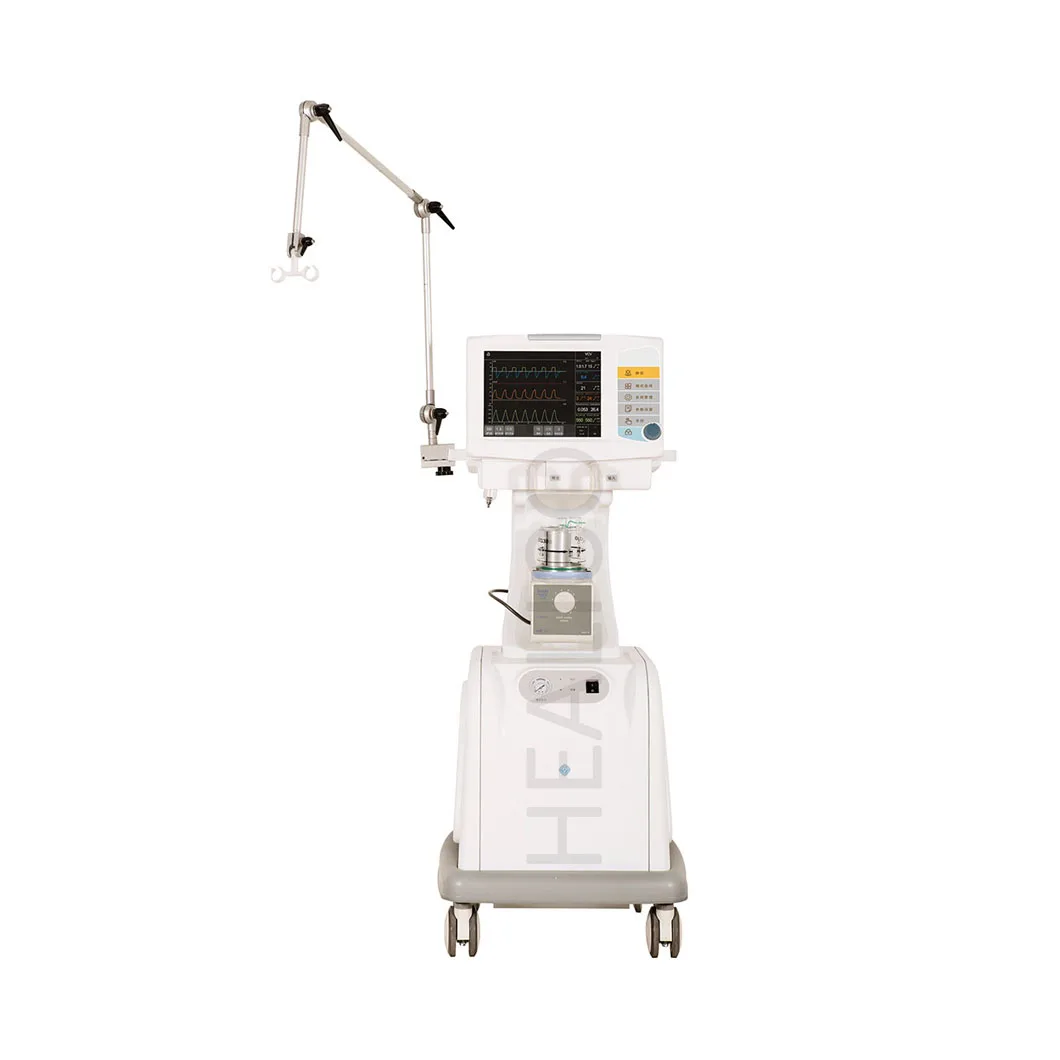
Some reusable respiratory therapy and anesthesia components can be steam sterilized if they are specifically rated for heat and moisture. These devices often include mixed materials, valves, seals, or lumens, so follow the exact disassembly, cleaning, and cycle instructions. A hospital sterilization team should treat a manufacturer’s validated instructions as controlling over a general material assumption.
Items that need another method or special review
Do not load an item merely because it looks robust. Heat-sensitive plastics, electronics, batteries, optical assemblies, adhesives, rubber components, and devices with unapproved lubricants may warp, crack, lose calibration, or retain moisture in ways that undermine safe reuse. Single-use devices should not be reprocessed unless the facility has an authorized and validated route for doing so.
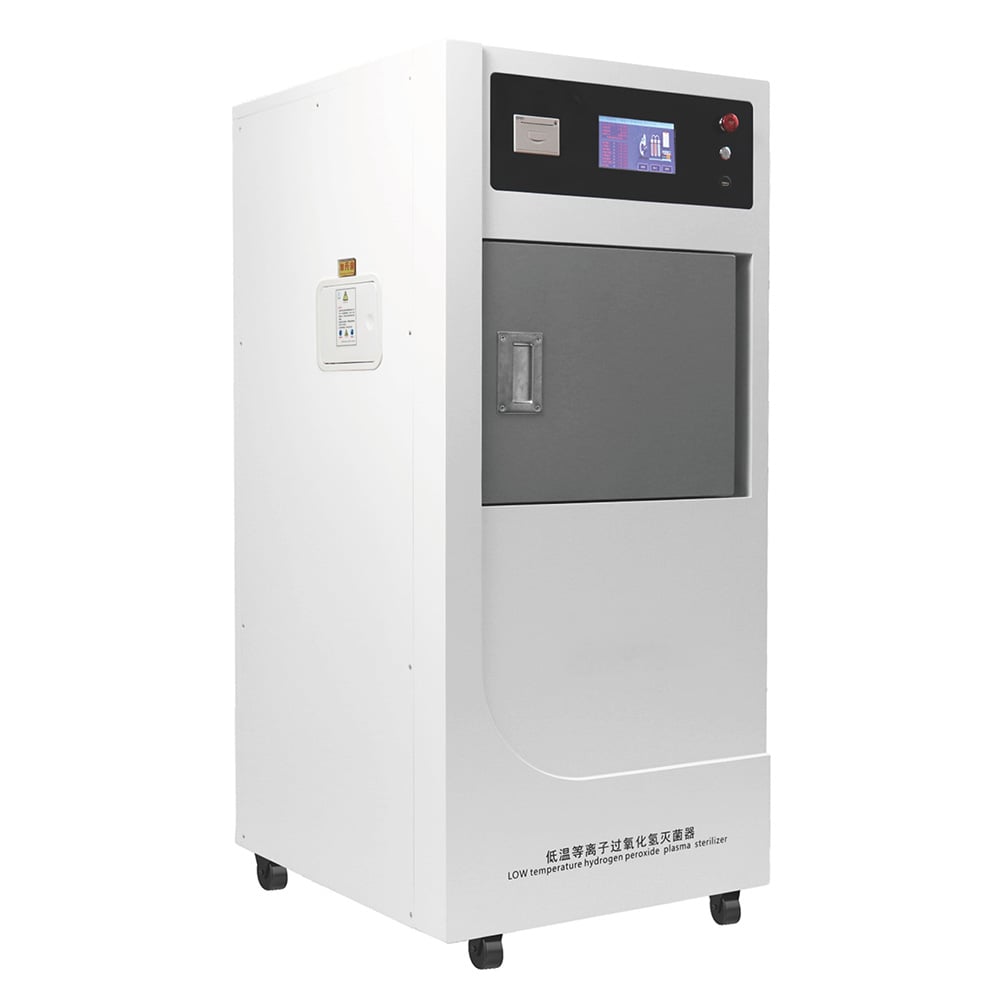
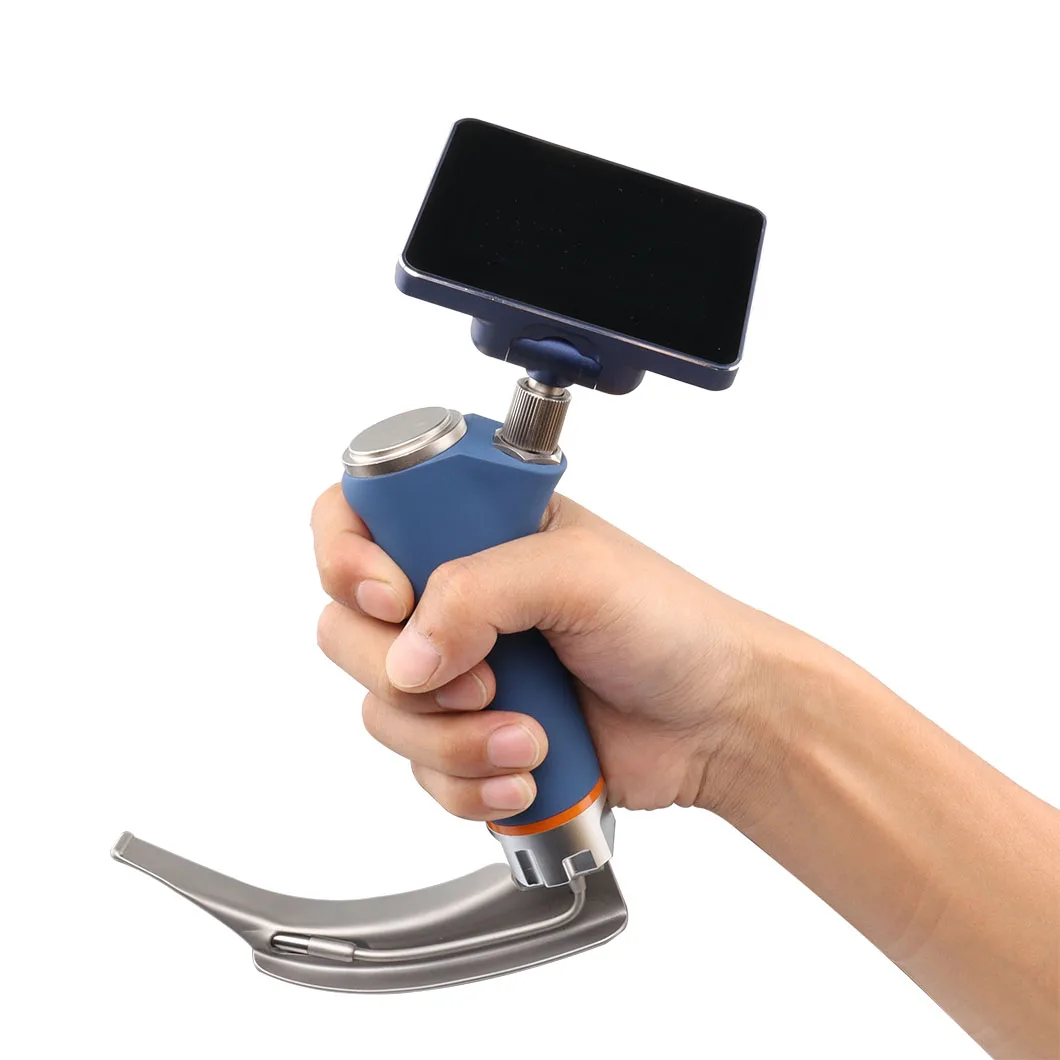
Flexible endoscopes, powered instruments, cameras, and delicate optical equipment are familiar examples where the IFU commonly drives a different method. Some devices can tolerate low-temperature sterilization rather than steam; others may require high-level disinfection rather than sterilization depending on their intended use. The correct choice is based on the device classification, material compatibility, intended patient contact, and the validated instructions—not on the availability of an autoclave machine.
Use device classification to set the level of processing
Classifying an item helps a hospital sterilization program ask the right question before choosing a cycle. Critical devices enter sterile tissue or the vascular system and generally require sterilization before use. Semicritical devices contact mucous membranes or nonintact skin and need at least high-level disinfection, with steam sterilization used when the device is heat and moisture resistant and the IFU supports it. Noncritical items contact intact skin and commonly follow cleaning and lower-level disinfection requirements instead.
This framework does not authorize a cycle by itself. It identifies the required outcome; the device IFU and the facility’s validated process identify how to achieve it.
Five checks before loading the autoclave
- Confirm the IFU. Verify that the reusable device, accessories, and packaging system are approved for steam sterilization. Check cycle type, temperature range, exposure time, drying, and any disassembly instructions.
- Clean before sterilizing. Remove visible soil and follow the validated cleaning method. Inspect hinges, serrations, lumens, and insulation before packaging.
- Choose the correct packaging. Use a compatible pouch, wrap, rigid container, or cassette system. Packaging must allow steam contact and help maintain sterility until point of use.
- Load for air removal and drying. Avoid overloading. Arrange packs and containers so the sterilizer’s specified air-removal and steam-contact conditions can be achieved. Follow the autoclave machine manufacturer’s loading diagram.
- Review the release criteria. Use the facility’s required chemical indicators, cycle record, and other monitoring controls. Wet, torn, or otherwise compromised packs should not be treated as ready for storage or use.
Why cycle selection matters as much as material
A medical autoclave does not run one universal “instrument cycle.” Gravity displacement, dynamic air removal, liquid, and specialty cycles have different purposes. Wrapped porous loads, solid metal instruments, lumened devices, and liquids have different air-removal and drying needs. Select only a cycle that the device IFU, packaging IFU, sterilizer IFU, and facility validation support.
For purchasing and workflow planning, it is more useful to map the expected load mix than to compare an autoclave only by chamber size. List typical trays, pouches, lumened sets, workload peaks, utility requirements, documentation needs, and drying expectations. That workflow-first review helps identify whether the steam sterilization equipment fits the department’s actual process.
A practical compatibility checklist for hospital teams
- Is the item reusable and labeled for steam sterilization?
- Can every component tolerate the relevant heat, moisture, and pressure conditions?
- Has the device been cleaned, inspected, and assembled or disassembled as required?
- Is the selected packaging validated for the device and the chosen cycle?
- Does the load configuration permit the required air removal, steam contact, and drying?
- Can the team document and review the cycle according to its quality system?
When any answer is unclear, quarantine the decision rather than improvising. The next useful action is to obtain the current IFU, consult the sterile-processing lead, and verify the approved method. That approach protects instruments, supports consistent reprocessing, and gives clinicians a clearer basis for trust in the autoclave workflow.
Final takeaway
Reusable, heat- and moisture-resistant instruments are often strong candidates for an autoclave, especially stainless-steel surgical and dental instruments and selected approved accessories. Material alone does not establish compatibility. Reliable hospital sterilization depends on a validated sequence: clean the item, follow its IFU, package it correctly, choose the approved cycle, load it properly, and release it only after the required controls are satisfactory. Treat the autoclave as part of that system, not as a universal answer for every instrument.
 Hot News

