EN


How to Plan Hospital Bed Procurement for a New Ward
Planning a new ward starts with a clinical-service question, not a catalogue question. A hospital bed is where patient mobility, observation, hygiene, staff handling, and room turnover meet. Before a purchase team compares models, it should translate the ward’s intended care pathways into a clear requirement set. That approach makes supplier conversations more useful and reduces the chance that a hospital bed fits the budget but creates daily workarounds after handover.
From a hospital procurement evaluator’s perspective, the practical goal is not to identify one universally suitable hospital bed. It is to build an auditable decision process: define who will use each bed, identify conditions that change the configuration, compare like with like, and verify what arrives. This guide focuses on a new ward rather than home care, because ward-level procurement also involves nursing leadership, clinical engineering, facilities, infection prevention, finance, and the eventual users.
1. Start with a ward demand map
Begin by separating the planned bed count from the care demand behind it. Map the number of rooms, bed bays, isolation spaces, high-dependency spaces, and any flex rooms. For every zone, ask which patient populations are expected, how often patients transfer, whether examinations or procedures occur at the bedside, and whether the room layout limits access on one or both sides. A patient care bed for a short-stay medical ward may need a different configuration from one used in rehabilitation, bariatric care, or a room with frequent transport.
Turn this map into a small set of use cases instead of a single generic specification. For example, a base configuration can cover routine adult care, while additional requirements are defined only where clinical workflow calls for them. This prevents a new ward from paying for options that will not be used, while still making exceptions visible. More accurately, the important question is not how many functions a hospital bed has; it is whether the team can explain the workflow that needs each function.
2. Convert clinical needs into procurement criteria
A useful medical bed selection sheet groups requirements into clinical use, safety, ergonomics, infection control, infrastructure, and service. Ask nurse managers and rehabilitation staff to describe the patient transfer, positioning, cleaning, and emergency routines that will occur around the bed. Ask clinical engineering to identify inspection, electrical, battery, accessory, and maintenance needs. Facilities teams should confirm room dimensions, lifts, storage, wall protection, power outlets, and route widths before an order is released.
- Patient profile: expected weight range, mobility level, fall-risk considerations, and need for pressure-injury prevention strategies.
- Care workflow: repositioning, nurse access, bedside treatment, patient transfers, and emergency response steps.
- Bed system: mattress interface, siderail design, controls, accessory compatibility, transport arrangement, and cleaning surfaces.
- Ward environment: available space, power location, battery expectations, flooring transitions, and storage for accessories.
- Supportability: training, preventive maintenance, spare-parts lead time, escalation route, and acceptance documentation.
These categories give a hospital bed supplier a more precise basis for response. They also make it easier to identify where two quotations are not directly comparable. A supplier should be asked to state whether each requested item is standard, optional, excluded, or dependent on another component.
3. Make safety evidence a verification requirement
Safety should be written as evidence to review, not as a marketing statement to accept. IEC 60601-2-52 addresses particular requirements for the basic safety and essential performance of medical beds. The applicable version, local regulatory route, and conformity documents should be confirmed for the destination market and intended patient group. A procurement team should not assume that a standard reference alone proves suitability for every ward or configuration.
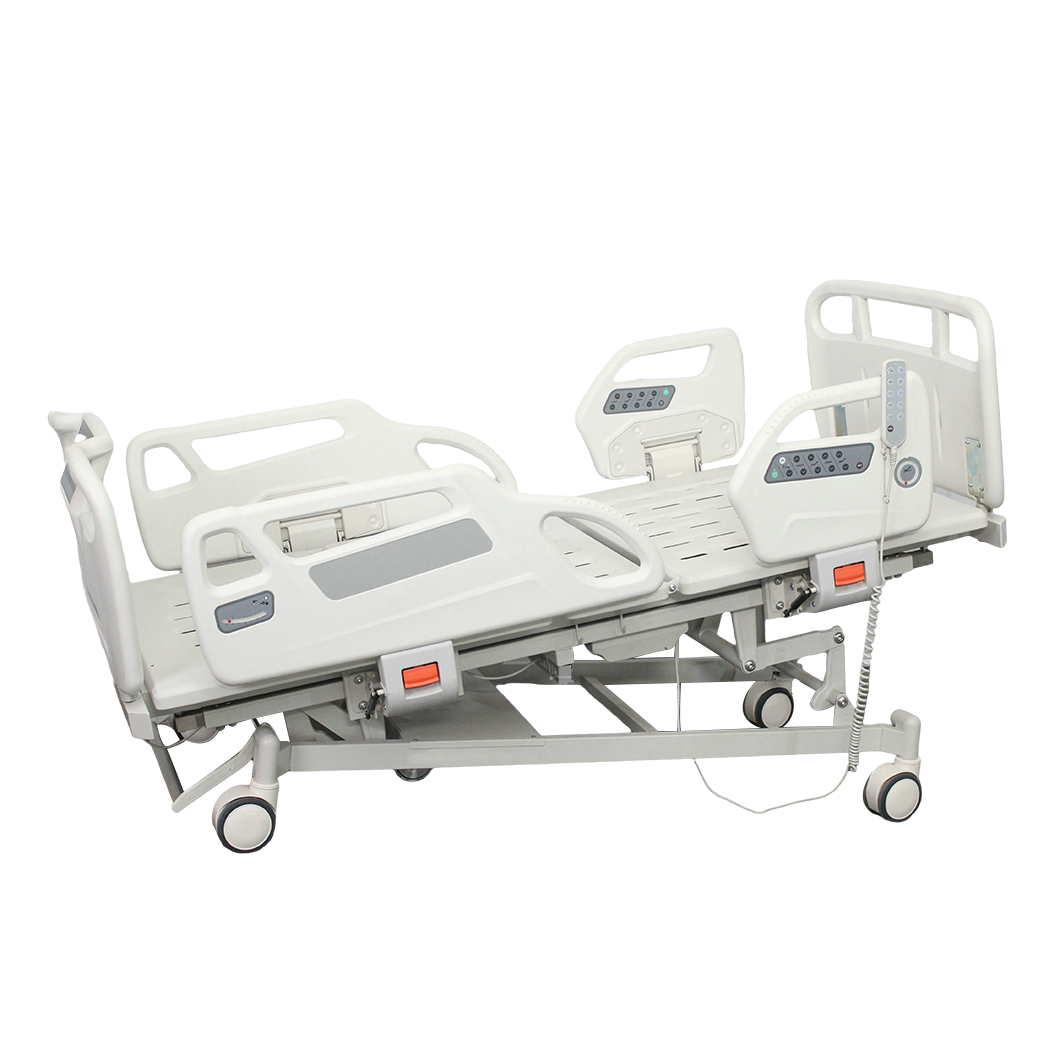
For each hospital bed, request the manufacturer’s documentation for the supplied configuration, including the mattress and accessory combinations that affect use. Include a clear check for siderail and mattress compatibility, patient entrapment-related risks, brake operation, control access, emergency functions where relevant, and markings. If a requirement is important to a new ward’s workflow, define how it will be demonstrated during acceptance rather than leaving it as a broad statement in a tender.
4. Compare whole-system fit, not the bed frame alone
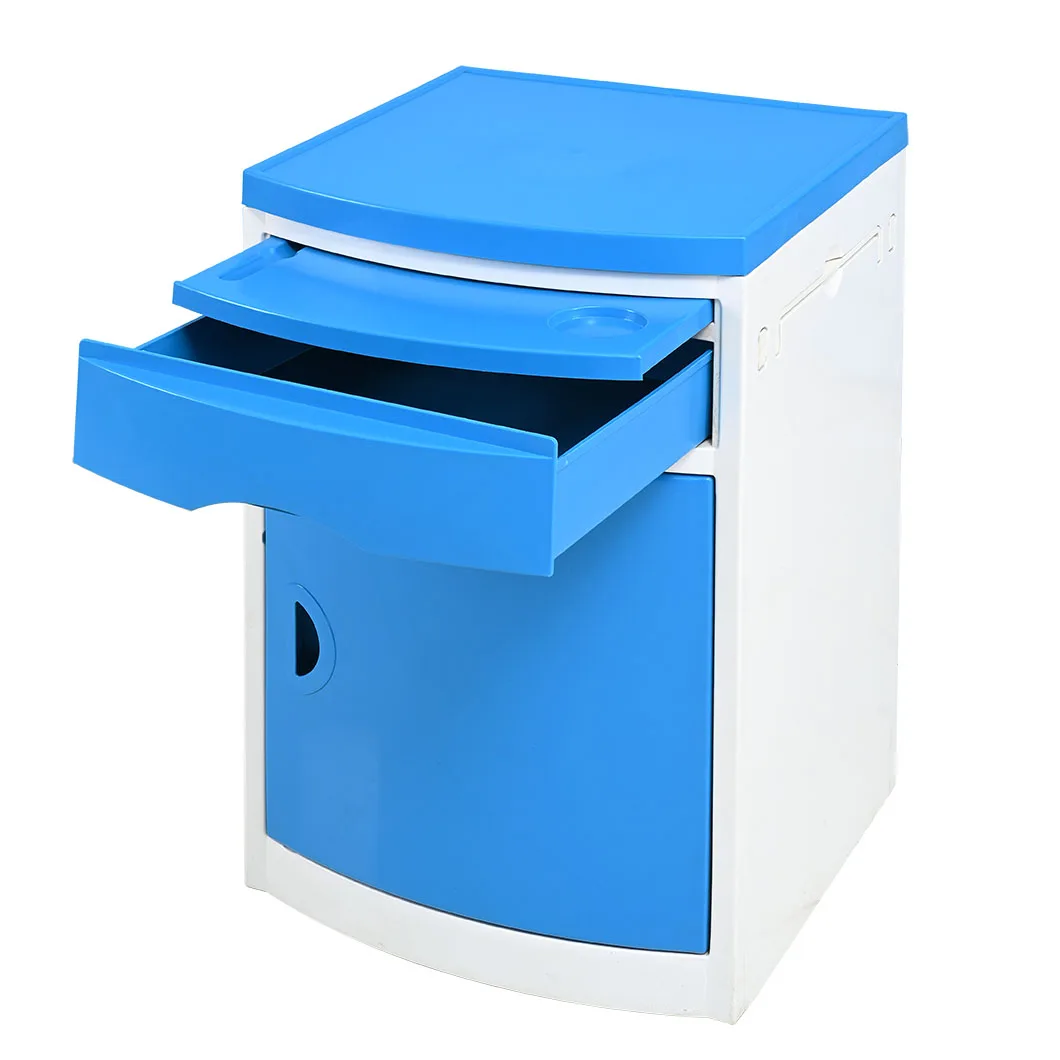
Hospital furniture procurement can fail when the bed is assessed in isolation. A hospital bed works with mattresses, bedside tables, overbed tables, lifting equipment, wall services, cleaning tools, and the circulation space used by staff. Confirm the footprint in every operating position, the turning radius for transport, and clearance for patient transfers. Review what happens when a bed is raised, lowered, tilted, or connected to required accessories.
Electrical questions deserve the same discipline. Record the destination voltage and plug requirements, the planned outlet arrangement, battery availability, and the documented limits of battery operation. These are commissioning checks, not features to infer from photographs. Where networked or alarm-related functions are proposed, specify the responsible team and the acceptance test rather than presuming integration.
5. Structure a fair supplier comparison
Use one response template for every hospital bed supplier. Ask each bidder to complete a compliance matrix against the same requirement list and to attach model-specific evidence. Separate mandatory conditions from scored preferences. The matrix should show unit price, configuration, included mattress and accessories, commissioning scope, delivery schedule, warranty terms, training, preventive maintenance options, and exclusions.
Evaluate total ownership conditions alongside the initial quote. Installation preparation, user training, inspection routines, service response, replacement parts, and end-of-life planning can affect the ward long after delivery. This does not mean one service model is automatically better. It means the hospital should place cost items and operational responsibilities in the same comparison table before award.
6. Build acceptance into the purchase plan
Do not leave acceptance until the delivery truck arrives. Create a pre-delivery checklist, a sample-inspection plan, and a ward-ready acceptance script. The script should verify the ordered model and quantities, identify physical damage, check labelling and supplied documents, confirm agreed accessories, test agreed movements and controls, and record outstanding actions. Include an orientation session for the staff groups that will clean, move, operate, or maintain the patient care bed.
It is sensible to stage a pilot or first-article check when the project scale, configuration complexity, or room-readiness risk justifies it. Feedback from that check can reveal issues with clearance, mattress fit, cable management, or cleaning before all units are placed. Keep observations factual and connect each one to a decision: accept, correct, train, or clarify.
7. Use a final ward-procurement checklist
- Confirm the bed count and use-case mix by room and clinical workflow.
- Approve a written hospital bed requirement matrix with named stakeholder owners.
- Verify applicable safety and conformity evidence for the intended market and configuration.
- Check room, power, transport, mattress, accessory, and hospital furniture interfaces.
- Compare supplier responses on the same inclusions, exclusions, service, and lifecycle fields.
- Define delivery, commissioning, acceptance, training, and corrective-action milestones.
A new ward gains more from a transparent hospital bed procurement process than from a long, unprioritized feature list. Start with the patient and staff workflow, convert it into verifiable requirements, and make the hospital bed supplier demonstrate fit against those requirements. That creates a clearer medical bed selection decision and a stronger basis for safe, workable patient care from day one.

 Hot News