 EN


Steam Sterilizer vs Plasma Sterilizer: Which Is Right for Your Instruments?
Choosing a sterilizer is not mainly a contest between two technologies. It is a compatibility decision: which instruments, trays, packaging, staff routines, and release records must move through your sterile-processing workflow every day? A steam sterilizer and a plasma sterilizer can both have an important place in a facility, but they solve different processing problems. Start with the load, then confirm the device instructions for use (IFU), the sterilizer IFU, and the monitoring method for the cycle you intend to run.
From a hospital procurement perspective, the useful question is not “Which sterilizer is better?” It is “Which sterilizer makes the most of our routinely processed instruments compatible, verifiable, and manageable?” That framing prevents a common mistake: buying a low-temperature system for instruments that steam handles well, or trying to force heat-sensitive instruments into a steam workflow they cannot tolerate.
Begin with the instrument inventory, not the chamber
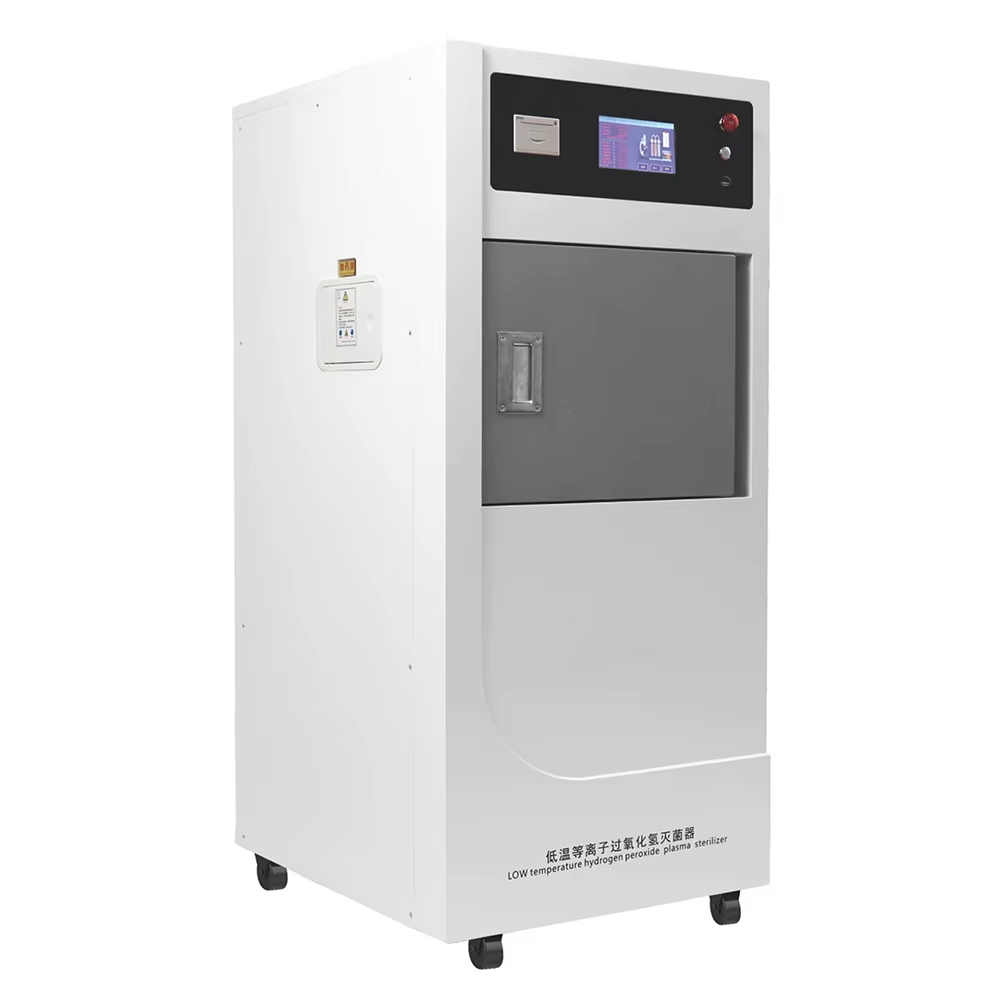
A steam sterilizer uses saturated steam under controlled time, temperature, and pressure conditions. It is commonly selected for compatible metal instruments, many rigid containers, and other loads whose IFUs allow steam exposure. A plasma sterilizer, generally using a low-temperature hydrogen peroxide process, is considered when a device cannot tolerate the heat or humidity associated with steam.
Before comparing capacity, cycle time, or price, create an inventory that separates instruments into practical groups:
- items whose IFUs permit the intended steam cycle;
- heat- or moisture-sensitive devices that may require a low-temperature option;
- lumened, powered, or complex devices with specific cleaning, packaging, and cycle requirements; and
- items that are not cleared for either proposed cycle.
This list is more valuable than a generic specification comparison. A sterilizer only supports the loads that are validated for that system and cycle. In particular, do not assume a plasma sterilizer accepts every delicate device. Channel length, internal diameter, material, packaging, accessories, and the model-specific IFU can all affect eligibility. For a steam sterilizer, drying performance, load configuration, and compatible wrapping or containers also matter.
When a steam sterilizer is the practical fit
For a predictable stream of steam-compatible surgical instruments, a steam sterilizer often provides a straightforward backbone for medical instrument processing. The technology aligns well with workflows that process robust, reusable metal instruments at regular volume. The decision still depends on the actual chamber size, utility requirements, loading practices, and local procedures, but the operating principle is familiar to many sterile-processing teams.
Steam can be a strong fit when your routine loads are durable, your department needs repeatable throughput, and the IFUs permit the selected steam cycle. It can also simplify training when the team already has established routines for loading, drying, documentation, and release. That does not make steam universally suitable: electronics, certain plastics, optical components, adhesives, and corrosion-sensitive materials may have restrictions. Treat the device and sterilizer IFUs as the controlling documents for each planned cycle.
Ask vendors to demonstrate the exact load types you expect to run, not an idealized empty chamber. A capacity figure is useful only after you understand tray dimensions, packaging choices, drying needs, and how the load fits into your real schedule. For many facilities, the most effective sterilizer plan uses steam for compatible core loads rather than asking one system to do everything.
When a plasma sterilizer adds value
A plasma sterilizer may be appropriate when the inventory includes devices that cannot tolerate high temperature and humidity and when their IFUs list the proposed low-temperature process as compatible. The appeal is not simply that the process is newer or faster. Its value comes from preserving an approved processing route for specific heat- or moisture-sensitive instruments.
However, a plasma sterilizer introduces its own validation questions. Some materials, liquids, powders, cellulose-containing products, and complex lumens may be restricted. Even where a device is generally compatible with hydrogen peroxide processing, the specific cycle and load configuration still need confirmation. More accurately, the decision is about a validated device-system-cycle combination, not a broad claim that an instrument is “plasma compatible.”
For a plasma sterilizer evaluation, request a documented list of cleared load categories, packaging requirements, compatible accessories, and lumen criteria. Then map those conditions to your actual inventory. If a high-value instrument has a narrow channel or multiple channels, have the sterile-processing lead and biomedical engineering team review the IFU together before treating it as a routine load.
Compare the two sterilizer options on the criteria that affect daily work
| Decision criterion | Steam sterilizer | Plasma sterilizer |
|---|---|---|
| Instrument compatibility | Evaluate it for heat- and moisture-tolerant loads allowed by the relevant IFUs. | Evaluate it for approved heat- or moisture-sensitive loads under model-specific restrictions. |
| Complex lumens | Requires cycle, packaging, and device-IFU confirmation. | Requires especially careful verification of lumen geometry and approved cycle limits. |
| Workflow role | Often serves routine compatible instrument throughput. | Often supports a defined subset of low-temperature-compatible devices. |
| Installation and consumables | Review utilities, water quality, drainage, space, and maintenance needs. | Review room conditions, consumables, packaging, ventilation requirements, and service support. |
| Release documentation | Use documented mechanical, chemical, and biological monitoring per policy. | Use documented mechanical, chemical, and biological monitoring per policy. |
The table is deliberately conditional. A sterilizer comparison becomes reliable only when your team fills in it with the applicable IFUs, local policies, and validated cycle details. Do not treat general statements about a technology as a substitute for those checks.
Make sterilization cycle monitoring part of the purchase decision
Monitoring is not an add-on after installation. It is central to safe medical instrument processing for either type of sterilizer. CDC guidance describes using a combination of mechanical, chemical, and biological indicators to evaluate the sterilizing conditions and the process. Mechanical records show that the cycle ran according to expected parameters. Chemical indicators show exposure to selected conditions, but by themselves do not prove that sterility was achieved. Biological indicators provide direct evidence of process lethality when used as part of the approved monitoring program.
That means sterilization cycle monitoring should shape your purchasing questions. Can staff clearly retrieve and retain cycle records? Which indicator types and process challenge devices are appropriate for the intended loads? How will a failed indicator be documented, investigated, and linked to load control? Who reviews trends after maintenance, relocation, repair, or a process failure?
For both a steam sterilizer and a plasma sterilizer, ask the supplier to show the reporting interface, the traceability workflow, and the routine tests required by the applicable instructions and facility policy. A short cycle is less helpful if it creates uncertainty about release criteria or makes records difficult to audit.
A practical selection sequence
- Collect the inventory: list instrument models, materials, lumens, accessories, and current approved processing methods.
- Verify compatibility: cross-check each high-priority load against the device IFU and the proposed sterilizer IFU.
- Map workflow demand: estimate routine load types, peak periods, staffing, reprocessing space, and turnaround expectations.
- Review monitoring: define mechanical, chemical, and biological evidence, record retention, and response procedures before selection.
- Validate the commercial scope: compare installation, utilities, consumables, training, preventive maintenance, and service responsibilities alongside the purchase price.
The right answer may be a defined two-system workflow
Many facilities do not need to choose one technology as an absolute winner. A steam sterilizer can handle the validated, durable core of the inventory, while a plasma sterilizer supports the approved low-temperature subset. Whether that combination is justified depends on the proportion of compatible loads, the cost of outsourcing or delaying sensitive instruments, and the facility’s ability to maintain two documented workflows.
When making the final decision, keep the conclusion conditional: choose the sterilizer that matches the instruments you can document, the cycles you can monitor, and the workflow your team can sustain. If uncertainty remains around a device, pause and obtain the current IFU and technical confirmation rather than relying on a generic compatibility claim. That approach makes the comparison useful long after the initial purchase discussion.
 Hot News

