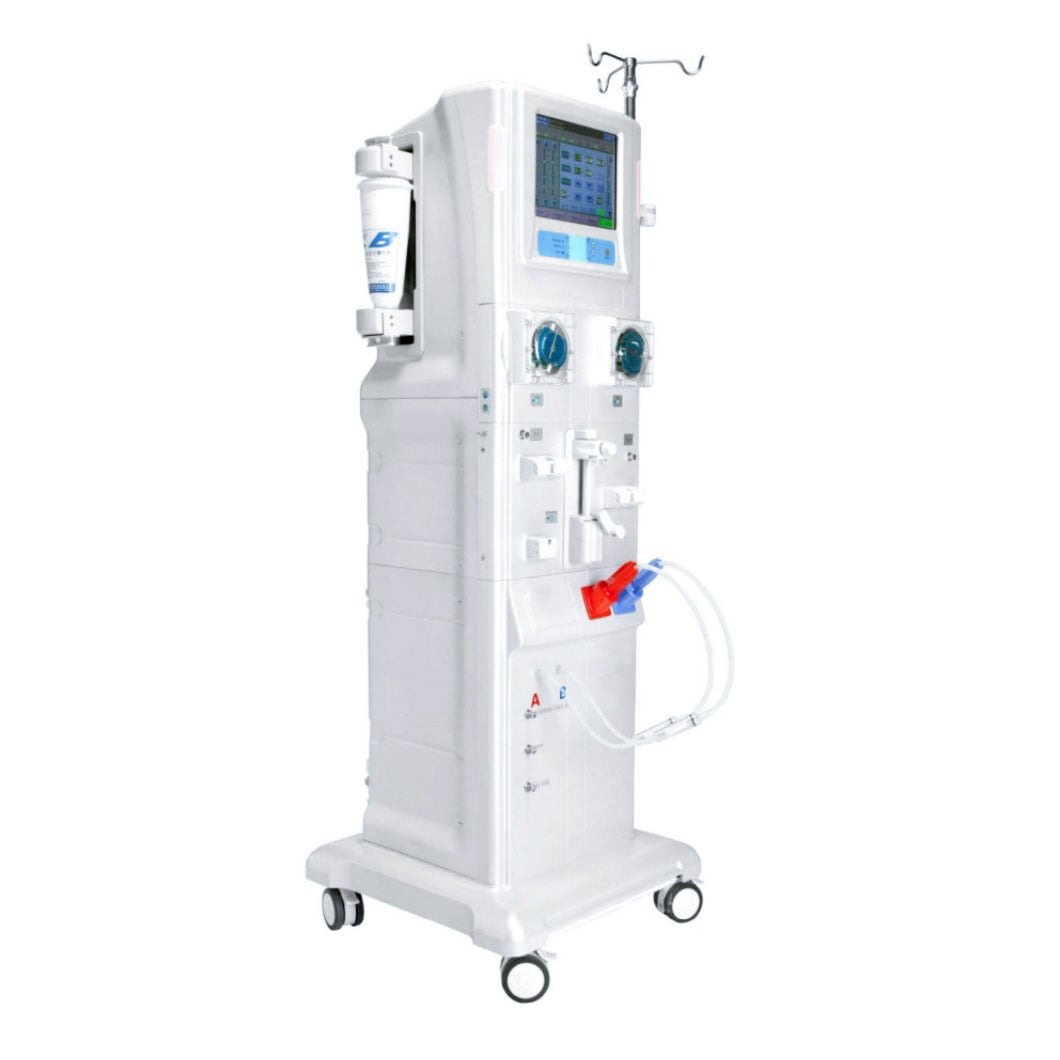
Proactive maintenance protocols form the backbone of hemodialysis machine reliability, directly impacting patient safety and treatment efficacy. Structured preventive strategies reduce critical failure risks by 63% compared to reactive approaches (Clinical Engineering Journal 2023), making adherence to standardized frameworks non-negotiable.
Systematic compliance with AAMI RD52 guidelines and manufacturer Instructions for Use (IFU) ensures consistent hemodialysis performance. Key activities include:
Documenting these interventions creates audit trails demonstrating regulatory compliance while extending equipment lifespan by 3–5 years.
Consumable integrity directly prevents microbial contamination and hydraulic failures. Implement:
High-quality consumables reduce treatment interruptions by 41% by preventing mid-session component failures (Nephrology Tech Review 2023).
Keeping close tabs on dialysate parameters is really important for preventing problems during treatments. Before each session, staff check several key values: conductivity should stay within about 0.5 mS/cm, temperature needs to be around 0.5 degrees Celsius, pH levels must fall between 7.0 and 7.4, and pressure readings typically range from minus 500 to plus 600 mmHg. These measurements come from built-in sensors on the machines themselves. If conductivity jumps over 1%, something needs fixing right away because this can cause serious issues like osmotic damage or even red blood cell destruction. For quarterly checks, clinics bring out special high precision equipment that meets ISO 23500-3 standards. These tests catch small changes in sensor accuracy that regular daily checks might miss. When facilities cut back on these checks to less than every two weeks, they tend to see about 27% more problems related to incorrect parameters showing up during treatments.
Keeping calibration records intact relies on continuous NIST traceability throughout the chain. Every time something gets adjusted, it needs to be traced back to certified master equipment. When techs calibrate sensors, they follow AAMI RD52 guidelines and document everything: what reference standards were used, what the environmental conditions were during testing, plus who did the work and when. For conductivity sensors specifically, proper calibration means checking at three different points within the normal physiological range of about 12 to 16 milliSiemens per centimeter, with acceptable error margins staying under plus or minus 0.1 mS/cm. The FDA has found through audits that nearly two thirds of all problems with hemodialysis machines come down to pressure transducers that weren't properly calibrated. Manufacturers also require regular checks every 500 hours of operation as part of their specs. And don't forget those pH electrodes need replacing roughly every half year because the glass membranes degrade over time. All these details have to be documented thoroughly since hospitals face Joint Commission inspections regularly.
The integrity of water systems is really what keeps hemodialysis machines running smoothly and patients safe during treatment. According to AAMI RD52 standards, there are basically three main things facilities need to focus on. First up is getting rid of chemical impurities through reverse osmosis and deionization processes. Then comes regular cleaning either through heat or chemicals to tackle those stubborn biofilms forming in the pipes. And finally, constant monitoring to make sure bacteria stays below 100 colony forming units per milliliter and endotoxins don't exceed 0.25 EU per mL. Most modern facilities now use automated sensors that track all these parameters and confirm when disinfection cycles are actually completed. Facilities that stick closely to this protocol see around a 34% drop in equipment failures according to recent studies published in Clinical Engineering Journal back in 2023.
Proper validation of alarm systems and Human-Machine Interfaces (HMIs) is essential to avoid serious problems during medical treatments. These alarms need to spot issues like blood leaks or changes in pressure almost instantly and give clear warnings that stand out visually and audibly. The priority matters too - doctors need to know right away when something dangerous happens, such as an air embolism alert versus just a regular system notice. When it comes to HMI validation, the main goal is making sure the interface makes sense to users. Emergency stops should be easy to find, important numbers need to stay visible all the time, and confirming alarms shouldn't take forever. Research shows bad interface design actually causes about one third of medical mistakes according to recent studies. Industry standards like AAMI RD52 demand checking these systems every three months. That includes running drills where emergencies happen suddenly so staff practice responding fast. Such regular checks help reduce reaction times significantly, sometimes cutting them down by forty percent. Keeping these systems properly validated means they work together as backup safety measures. Good information display lets clinicians make quick decisions without confusion when seconds count most.
 Hot News
 EN
EN