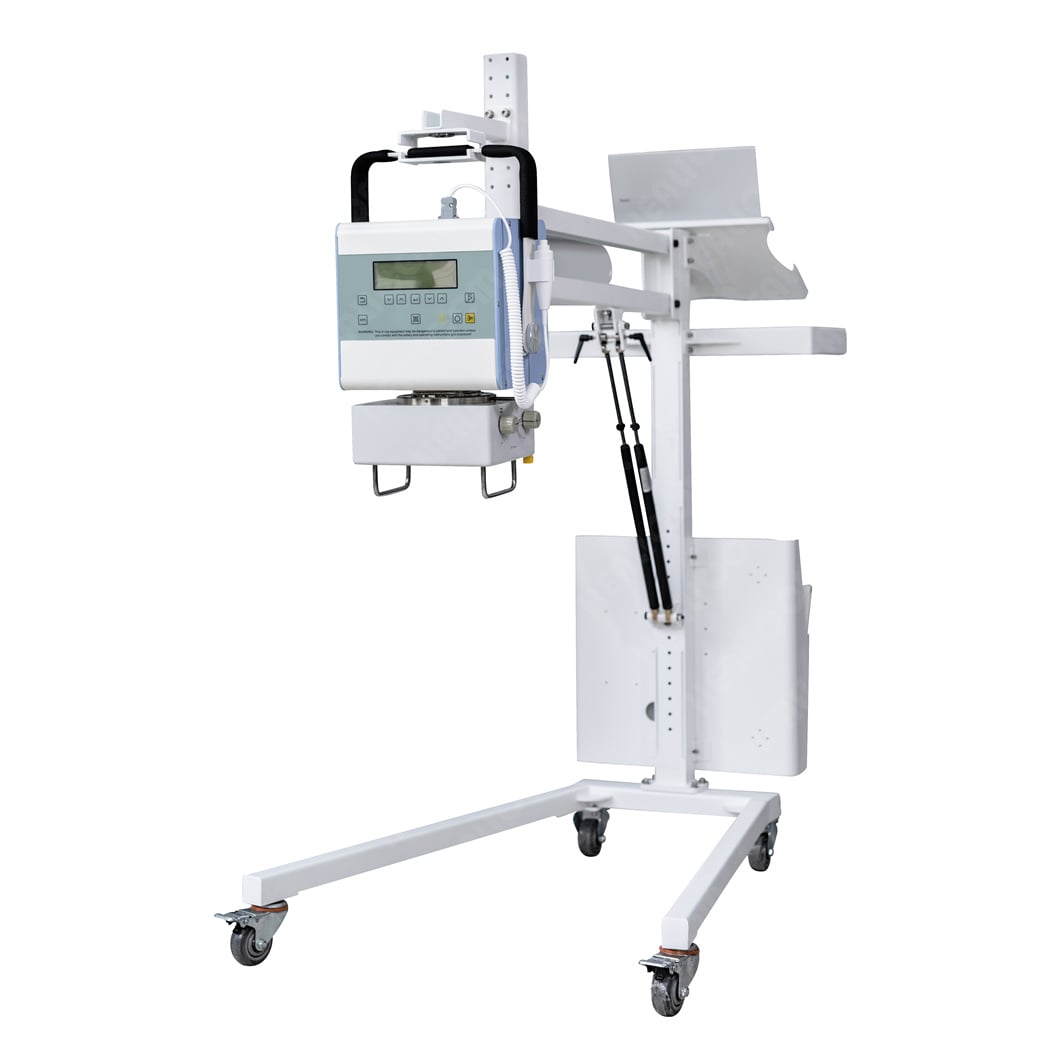
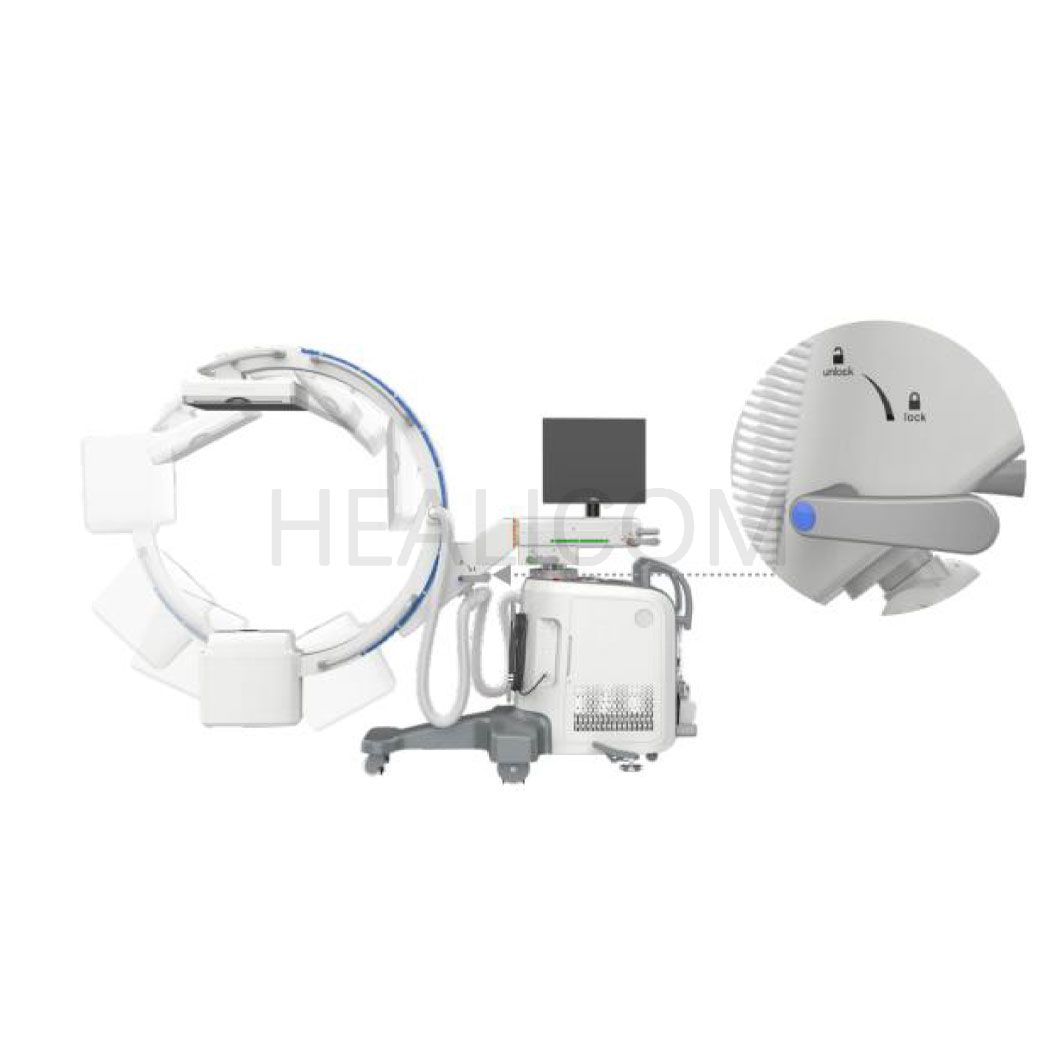
When it comes to cost, Digital Radiography (DR) systems generally set patients back 2 to 3 times more than traditional Computed Radiography (CR) equipment. According to Grand View Research from 2023, DR systems can run anywhere between $120k and $250k compared to around $50k to $80k for CR units. The reason for this price gap? DR has those fancy built-in digital detectors that give instant results, while CR still depends on those old school phosphor plates and scanner machines that need regular maintenance. But there's something else worth considering here. With DR, clinics don't have to keep buying new imaging plates or maintain expensive chemical processors anymore. For a typical mid sized clinic, this alone saves somewhere between $740 and $1,200 every month on operational expenses.
Digital radiography (DR) systems definitely cost more upfront, but they can cut down on running expenses by around 22% over five years because patients move through the process much quicker according to Radiology Management Journal from last year. The fact that images are available right away means fewer repeat scans needed, cutting retake rates down about 18%. Technicians spend roughly 31% less time working when using DR instead of conventional radiography methods. Looking at real world examples, one VA hospital implemented DR in 2024 and found that despite the higher purchase price, the system actually started paying for itself after just under three years thanks mainly to savings on staff overtime hours and all that wasted film that used to pile up in storage rooms.
Computed radiography still works well for smaller clinics doing fewer than 15 scans each day since the cheaper x-ray machines can balance out the slower workflow. Research from a country hospital showed that over ten years, CR actually saved about 34 percent on overall expenses when compared to digital radiography at places handling under 8,000 scans annually according to those RSNA guidelines from last year. But things change when volume goes up. Clinics doing more than thirty scans per day end up paying extra cash around $18k plus every year just for replacing plates and dealing with longer wait times for patients. These hidden costs really add up over time.
When it comes to x ray machines, better imaging tech almost always means bigger price tags. Machines with those fancy digital radiography panels can run anywhere from 3 to 5 times what older CR systems cost. Why? Well, they offer sharper images, work much quicker, and just generally make the whole process smoother for technicians. Throw in extra bells and whistles like live imaging, artificial intelligence tools for diagnosis, and software that helps control radiation doses, and prices jump another 15 to 40 percent on top of that. Take orthopedic clinics as a case in point. These places often pay around 20 to 30 percent more initially when they go for equipment with those moving image capabilities instead of sticking with standard radiography gear. The investment makes sense though since the improved functionality pays off in long term efficiency.
Big name manufacturers usually charge anywhere from 50% extra for equipment that's known for working reliably and meeting all the necessary regulations. Generic or secondhand options can cut upfront costs by around 30 to 40 percent, but these savings tend to disappear when looking at what it costs to keep them running over time. Looking at data from 120 radiology departments back in 2023 shows something interesting: machines from well established brands experienced about 22% less downtime during five year periods than those coming from smaller companies nobody really knows about. The numbers tell a pretty clear story about why many facilities still prefer investing in quality despite the higher sticker price.
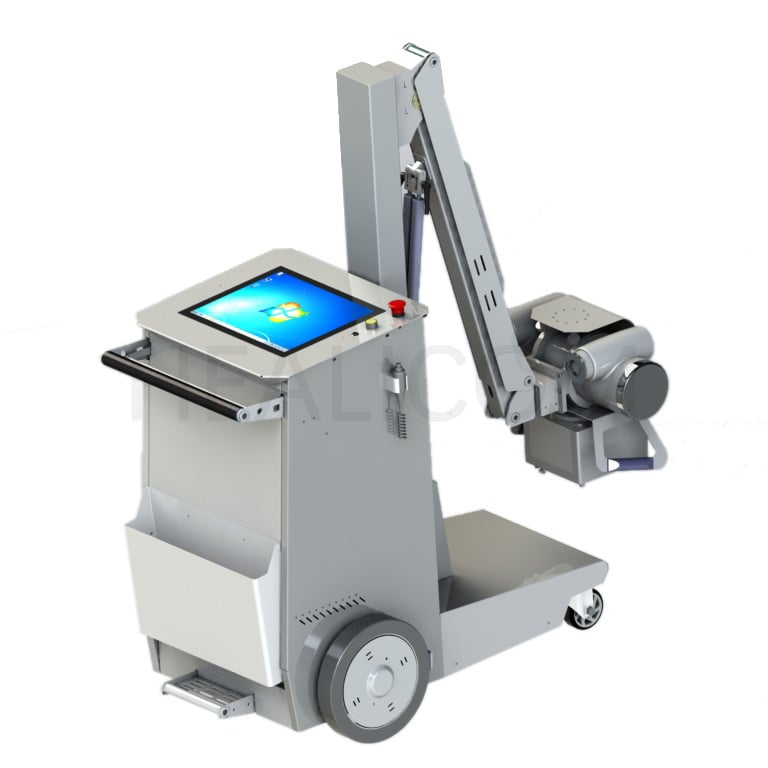
The specialized equipment used in veterinary medicine or mobile imaging usually costs quite a bit more than standard systems because they need tougher parts and must be easy to move around. Take vet clinics as an example they end up spending somewhere between 25 to 35 percent extra on hardware that can withstand bumps and bruises plus software tailored specifically for different animal species. When it comes to mobile X-ray machines meant for hospital emergency rooms, these typically set businesses back anywhere from 20% all the way up to 50% compared to their stationary counterparts. The price tag reflects what goes into making them work well on batteries for long periods and fitting into tight spaces during transport.
Hidden costs like site preparation, staff certification, and FDA/MDR compliance can add 15–25% to the base price. For example, retrofitting existing rooms for DR systems requires structural modifications costing $8,000–$20,000, while annual compliance audits average $3,500–$7,000 per facility. Departments must budget $1,200–$2,500 per technologist for vendor-led training programs to maximize system utilization.
 Hot News
 EN
EN