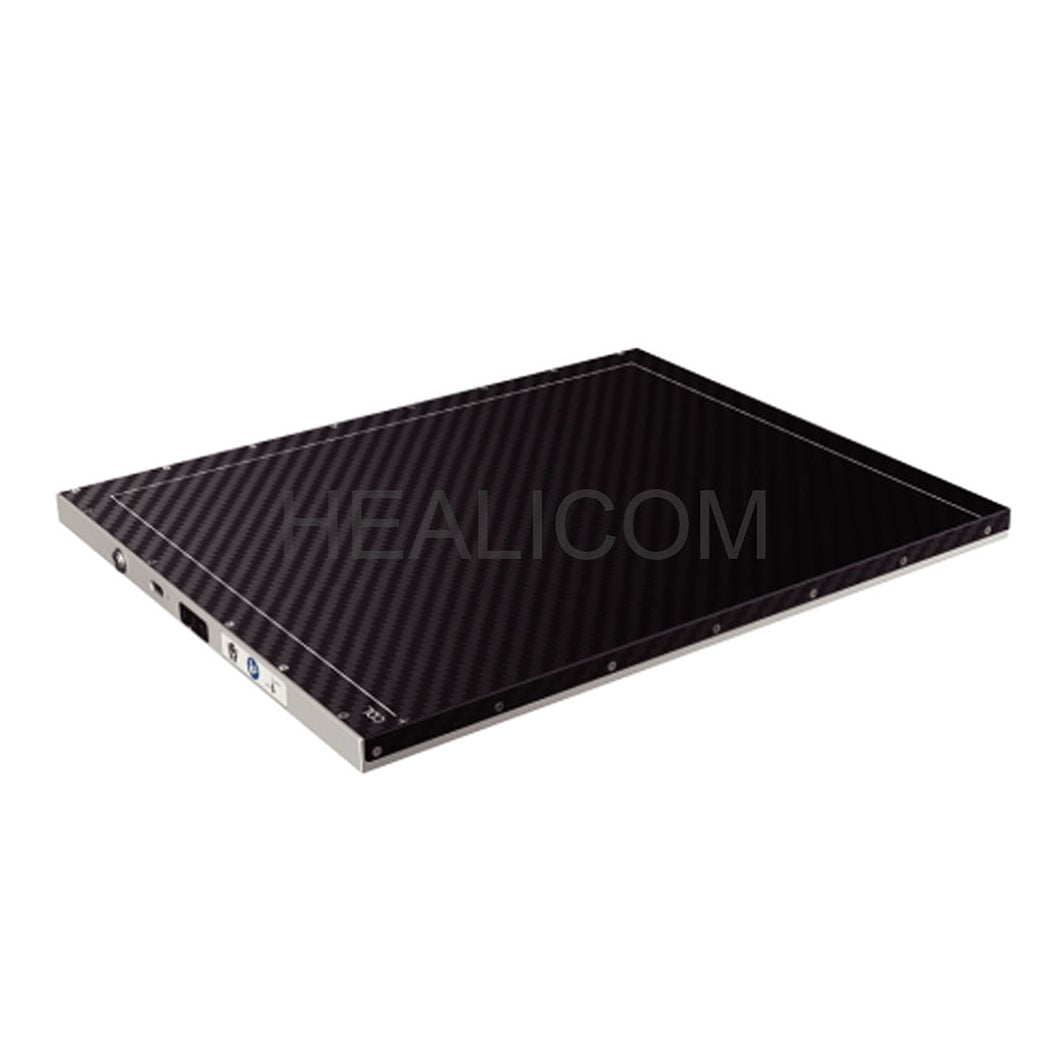
Anyone looking to sell X-ray equipment in the US needs to follow FDA regulation 21 CFR 1020.40, which sets the rules for radiation safety in medical imaging systems. If manufacturers ignore these requirements, their products can get stuck at customs, detained, or even pulled off the market entirely. Before shipping or selling anywhere in the country, companies have to send in FDA Form 2877 along with all sorts of documentation including where the device was made, technical specs, and reports showing it passes radiation safety tests. Last year alone, the FDA took action against 37 different X-ray machines that didn't meet standards, which shows just how seriously they take this stuff. The whole certification process makes sure important factors like beam strength, proper focusing of the X-rays, controls on exposure time, and background radiation levels are all within safe limits established through real-world testing. This protects everyone involved from unnecessary radiation risks during procedures.
The regulation enforces three foundational radiation safety controls:
All safety features require annual verification using NIST-traceable, calibrated dosimeters. Manufacturers must retain comprehensive validation records—including test protocols, instrument calibration certificates, and pass/fail documentation—prior to commercial release.
The IEC 61010-1 standard covers lab and industrial equipment while IEC 60601-1 focuses specifically on medical devices. Both set important safety rules for X-ray machines. When it comes to electricity safety, these standards require strong insulation barriers so operators won't get shocked even if something goes wrong with just one component. Fire protection is another big concern. Manufacturers must use materials that resist flames, install thermal cutoff switches, and put in circuit breakers that cut off power when things start getting too hot. The mechanical parts need to hold up too. Tube housings and gantries should withstand impacts, vibrations, and heavy loads without letting radiation escape or putting anyone in danger. Take IEC 60601-1 for example. It actually requires testing how well shielding holds up after simulated accidents to make sure there's no dangerous leakage. To validate compliance, technicians measure leakage currents below 0.1 mA, perform tests on electrical insulation strength, and run trials where equipment must function properly at temperatures reaching as high as 140 degrees Fahrenheit.
The IEC 60601-1 standard stands out as the go-to benchmark for X-ray machines used in medical facilities. This isn't really about replacing the IEC 61010-1 standard though. What makes IEC 60601-1 special are those extra safety features tailored specifically for medical applications. Regular electrical gear doesn't face the same challenges that clinical X-ray systems do. These machines come into direct contact with patients, operate near life support systems, and get handled daily by hospital staff who aren't necessarily engineers working under intense pressure. Because of these factors, IEC 60601-1 requires things like better fault detection systems, backup power routes, and stronger insulation at points where technicians work alongside patients during scans. The standard also covers electromagnetic compatibility issues so these machines don't interfere with other vital equipment nearby something not found in the general electronics standard. Around the world, most hospitals now consider meeting IEC 60601-1 requirements essential when buying new equipment or getting their facilities certified.
The Chinese National Medical Products Administration (NMPA) has been pushing forward with Guobiao (GB) standards for X-ray machines lately. The old GB 9706.1-2007 standard got replaced by the newer GB 9706.1–2020 version back in 2020. This new standard actually lines up pretty closely with the international IEC 60601-1:2005 guidelines. What makes it different? Well, there are tougher rules now when it comes to labels on these devices. They need both Mandarin and English warnings about hazards plus those little compliance symbols everywhere. Mechanical stability checks have gotten more rigorous too, along with tests for how well they handle electromagnetic interference. Now manufacturers must get third-party verification for several key areas including radiation leaks (which need to stay below 1 mGy per hour at one meter distance), making sure exposures repeat consistently, and checking if the collimators work accurately enough. If companies don't have proper GB 9706.1–2020 certification paperwork ready, their imports can face major holdups at customs ports. Looking at recent data from 2023, around 23% of all shipments without correct documents got rejected outright. For anyone planning ahead, it's wise to budget somewhere between nine to twelve months just for getting everything tested again, redesigning labels according to the new specs, and updating all those technical files before trying to ship products into China. Otherwise, expect either expensive delays sending goods back or paying hefty storage fees while waiting for approval.
Starting in 2024, the GB/T 38648-2020 standard now requires specific cybersecurity measures for connected X-ray systems. These include things like encrypting DICOM data, implementing secure boot sequences, setting up role-based access controls, and maintaining detailed audit logs. Software management during the product lifecycle has become just as important too. Manufacturers need to keep thorough records covering everything from initial requirements to version tracking, regular security checks, validating patches, and planning what happens when support ends. While YY/T 0664 offers some suggestions about how to document risks, the National Medical Products Administration (NMPA) sees compliance with GB/T 38648 as absolutely necessary before approving device registrations. Any equipment that doesn't show proper implementation gets rejected flat out, which means companies really need to start building security into their development process from day one if they want to get their products onto the market.
Meeting regulations isn't enough to build real credibility in the marketplace anymore. It's just the starting point. Healthcare facilities are now looking at voluntary accreditations from groups like the American College of Radiology, The Joint Commission, and DNV GL Healthcare as major indicators of trustworthiness when making purchasing decisions. What makes these programs stand out is how they push past basic requirements. They want to see actual clinical results, solid quality management systems, and proof that staff members know what they're doing. Take ACR accreditation for instance. They require regular phantom image tests each year to make sure equipment can handle spatial resolution and maintain consistent contrast levels. Meanwhile, the Joint Commission focuses heavily on safety procedures that cut down on human error related incidents by around 30-35%, according to recent studies in clinical engineering journals. Hospitals tell us their audit prep work drops by roughly 40% when they buy from companies already accredited. And let's face it, these certifications matter because they fit right into the current trend toward value-based care models. They help track patient outcomes consistently, generate reports about radiation doses, and ensure everything works together across different systems. So nowadays, hospital buyers aren't just checking boxes on regulatory forms. They want to see concrete evidence that vendors are ready to integrate clinically and committed to improving quality over time.

 Hot News
 EN
EN