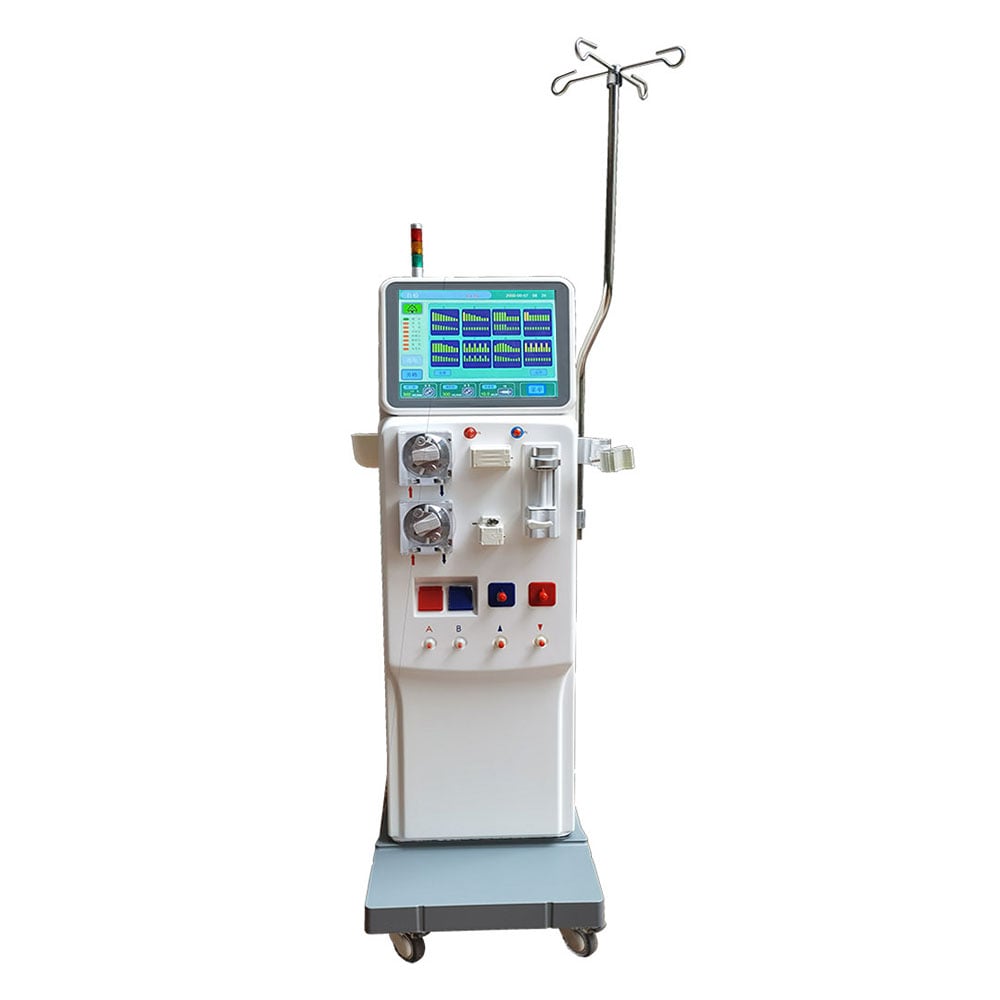
Hemodialysis keeps people alive when their kidneys stop working properly. The treatment basically does what healthy kidneys should do it filters out waste products, extra fluid, and toxins from the bloodstream. Patients connect to a special machine during sessions, and their blood passes through something called a dialyzer, which acts kind of like an artificial kidney. Inside this device, special filters work to pull out bad stuff from the blood while keeping important minerals at safe levels. Without regular hemodialysis, patients would face serious health problems including too much fluid in the body, dangerously high potassium levels, and buildup of waste materials that can poison organs over time.
Both hemodialysis and peritoneal dialysis treat kidney failure, but they work quite differently. Hemodialysis needs special vascular access points and relies on machines to clean the blood outside the body. Peritoneal dialysis takes advantage of something our bodies already have the abdominal lining acts like a natural filter here. The process involves putting a cleansing solution into the abdomen via a catheter and then removing it later. Most people get hemodialysis at clinics around three or four times each week. Peritoneal dialysis can actually be done every day at home, which gives patients more freedom in their schedules. But there's a catch with this method too strict attention must be paid to preventing infections since everything happens inside the body.
When kidney function declines to dangerous levels, doctors turn to hemodialysis as a life-saving treatment option. The procedure starts with creating vascular access points, usually either through surgically created fistulas between arteries and veins or via temporary catheters placed in major blood vessels. Once established, blood flows out of the body through plastic tubing into a special machine called a dialyzer. Inside this device, waste products pass from the blood into a cleansing solution known as dialysate through a thin membrane barrier. Sophisticated pressure sensors continuously watch for problems during treatment, alerting staff if anything goes wrong like blood clots forming or connections becoming loose. After being cleaned, the blood makes its way back into circulation, marking the end of what's typically a grueling three to five hour session for most patients who undergo regular dialysis treatments.
A dialyzer basically works like an artificial kidney inside the machine. Inside are thousands of tiny hollow fibers that have really small holes in them. These little holes let things like urea, creatinine, and too much potassium pass through into the dialysis solution, but they keep important proteins from leaving the blood. The machine also pulls out extra fluid through something called ultrafiltration. Modern equipment can control this removal pretty accurately, usually within about plus or minus 50 milliliters per hour. Together these processes handle around 120 to 150 liters of blood each week, which is actually quite close to what healthy kidneys do naturally in our bodies.
The blood typically moves through at around 300 to 500 milliliters per minute which helps get rid of toxins effectively. To keep things flowing properly without clots forming inside the system, doctors use anticoagulants such as heparin. These medications are delivered through special machines called infusion pumps that control the rate precisely. Medical professionals need to watch closely how much they give out since too little might lead to dangerous clots while too much increases risk of bleeding problems. They rely heavily on tests measuring activated clotting time (ACT) to find this delicate balance between safety and effectiveness. Meanwhile sensors constantly monitor venous pressure levels throughout treatment. If these numbers go above 250 mmHg, alarms will sound immediately across the unit serving as an important protection mechanism against serious issues related to vascular access during therapy sessions.
Patients need to get vascular access created before they can start hemodialysis treatments. This is really important because it makes sure blood flows properly while undergoing dialysis. There are basically three different ways to create this access. First there's the AV fistula, which involves surgically joining an artery with a vein. Then we have AV grafts that use man made tubes for connection. And finally there are central venous catheters that go into veins in the neck area but these are usually temporary solutions. According to guidelines from the National Kidney Foundation, doctors generally prefer fistulas for long term needs since they tend to last longer and carry fewer risks of infection when compared to other methods like grafts or catheters. When preparing for treatment, nursing staff will clean and sterilize the access point thoroughly before attaching blood lines to connect everything up to the dialysis machine itself. Most of the time this whole setup takes less than fifteen minutes to complete.
After setup, medical staff check vital signs including blood pressure, heart rate, and how fast fluids are being removed from the body roughly every half hour or so. These days, most dialysis equipment comes with smart features that tweak things like dialysate temperature, electrolyte concentrations, and ultrafiltration settings automatically according to each patient's specific profile stored in the system. When patients experience sudden drops in blood pressure which happens quite often during treatment the machines let out loud warning sounds that get attention from nursing staff who then might slow down the fluid extraction process to stabilize the situation.
The majority of people undergoing hemodialysis usually go three times a week, each session running anywhere from 3 to 5 hours based on how much kidney function remains. Recent research from last year shows that nearly 9 out of 10 patients feel tired after their treatments, and around two thirds deal with annoying muscle cramps. These common side effects are generally handled by adjusting the sodium levels in the dialysate solution according to individual needs. Sticking to the recommended schedule makes the whole process about 37 percent better at clearing toxins from the body than when appointments get missed or delayed. Many folks pass the time reading books, watching television, or simply taking a nap during these long sessions. Clinics have started offering things like warm blankets and chairs that can be adjusted for different body types, making what's already a tough experience just a little bit more bearable.
New technology has made it possible for hemodialysis machines to weigh less than 30 pounds now, so patients can actually do their 4 to 6 hour treatments right at home instead of going to clinics all the time. According to market reports from 2025, people who use these portable units end up visiting clinics about 60% less frequently. The machines come equipped with safety tech too, including systems that detect albumin leaks in real time. When looking at quality of life metrics, patients using home dialysis tend to score around 47% higher compared to those getting treatment at centers. Most folks mention they appreciate being able to keep working regular hours and sticking to family routines while undergoing treatment, which makes a big difference in their daily lives.
The latest hemodialysis tech is starting to use smart algorithms that tweak ultrafiltration rates on the fly, cutting down those dangerous drops in blood pressure for around four out of five patients at risk. Some early tests last year combined connected blood pressure devices with artificial intelligence monitoring electrolytes levels, and saw hospital stays drop by roughly a third when compared to older approaches. Doctors can now watch real time displays tracking things like urea levels and pressure in the blood vessels, which helps them fine tune treatments based on what each patient needs specifically rather than sticking to one-size-fits-all protocols.
Scientists have started trials on a new 5 pound wearable artificial kidney prototype that can filter blood continuously for three full days using special graphene oxide membranes. The early results look promising with around 90 percent removal of toxins matching what traditional dialysis machines achieve. Another interesting development comes from bioengineers who are working on filters made with human stem cells turned into podocytes these tiny structures help mimic how our own kidneys naturally filter blood. Most experts in the field think we might see FDA approval for the first wearable version sometime around late 2026 maybe even earlier if everything goes smoothly. If this happens, it would mark a major shift for patients needing dialysis treatment since they could carry out their therapy anywhere instead of being tied down to hospital machines for hours at a time.
 Hot News
 EN
EN