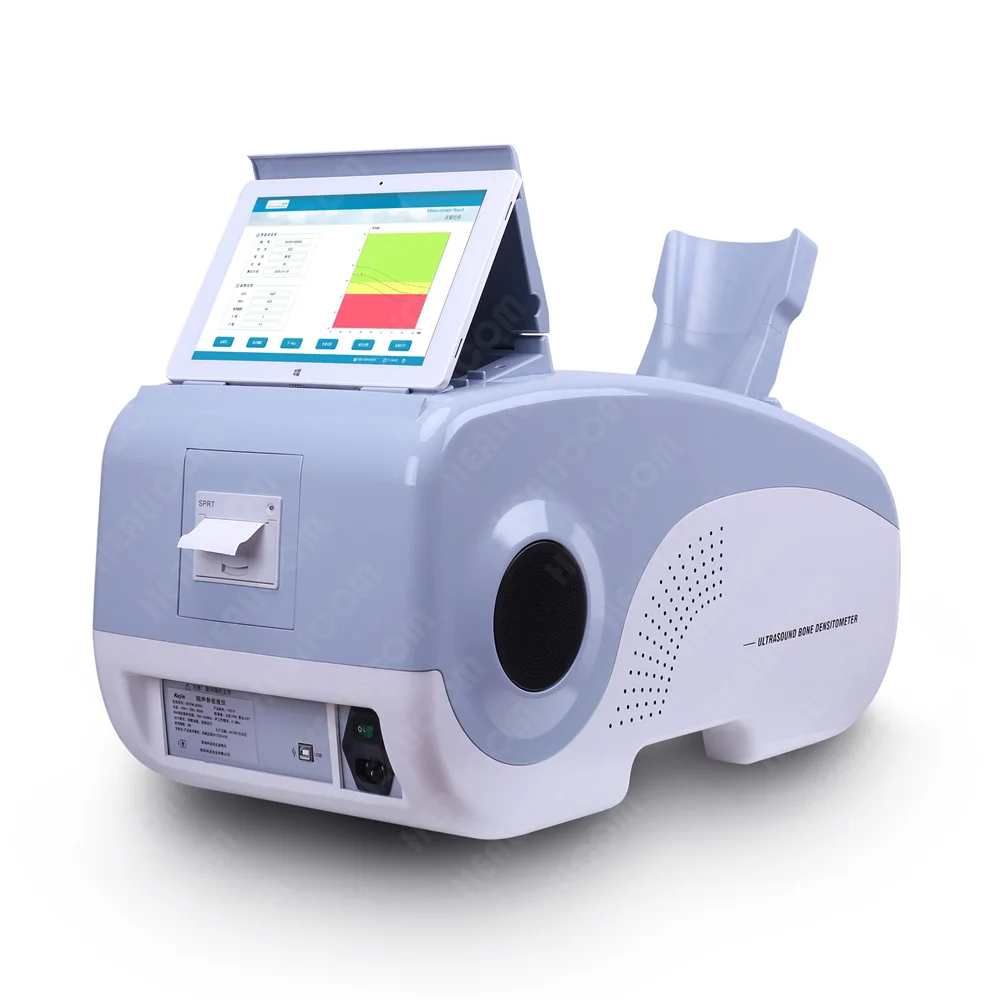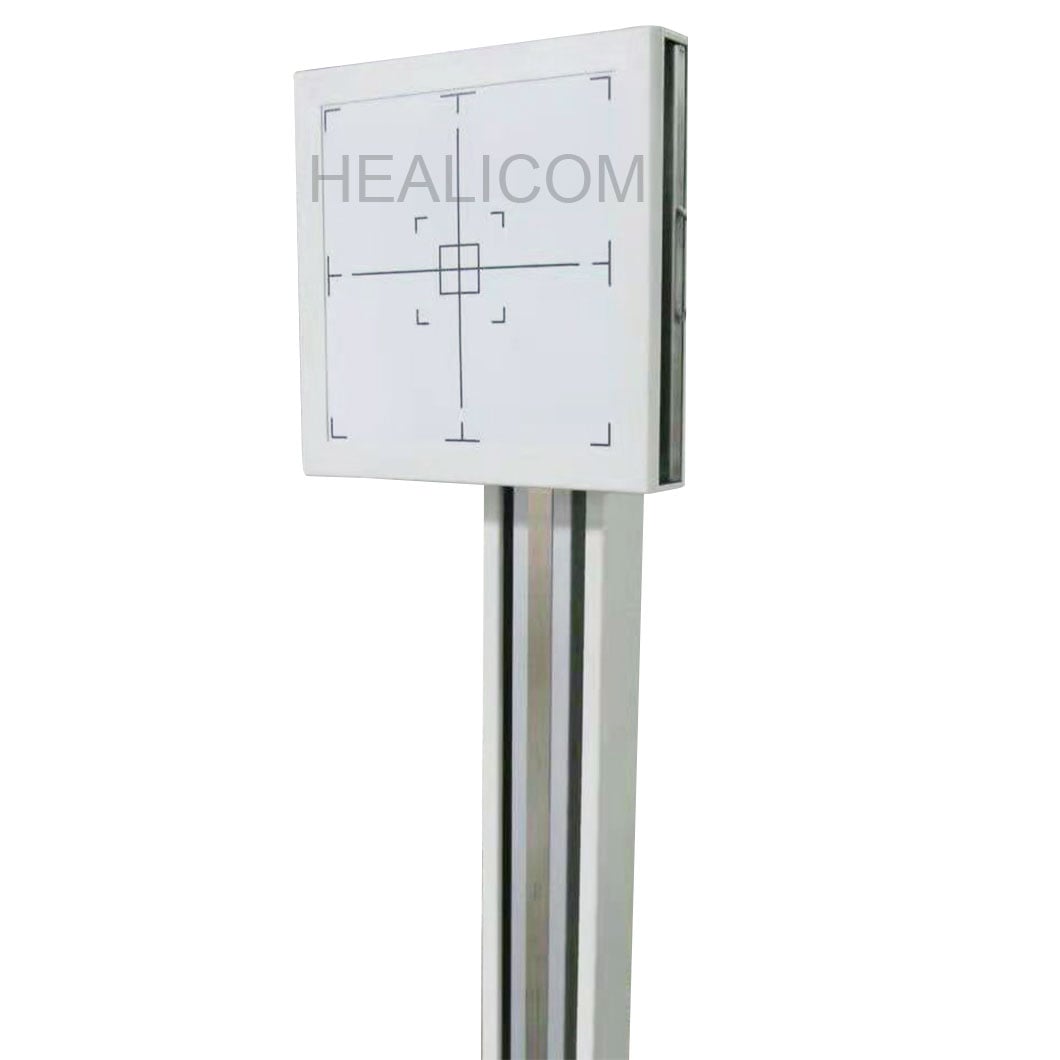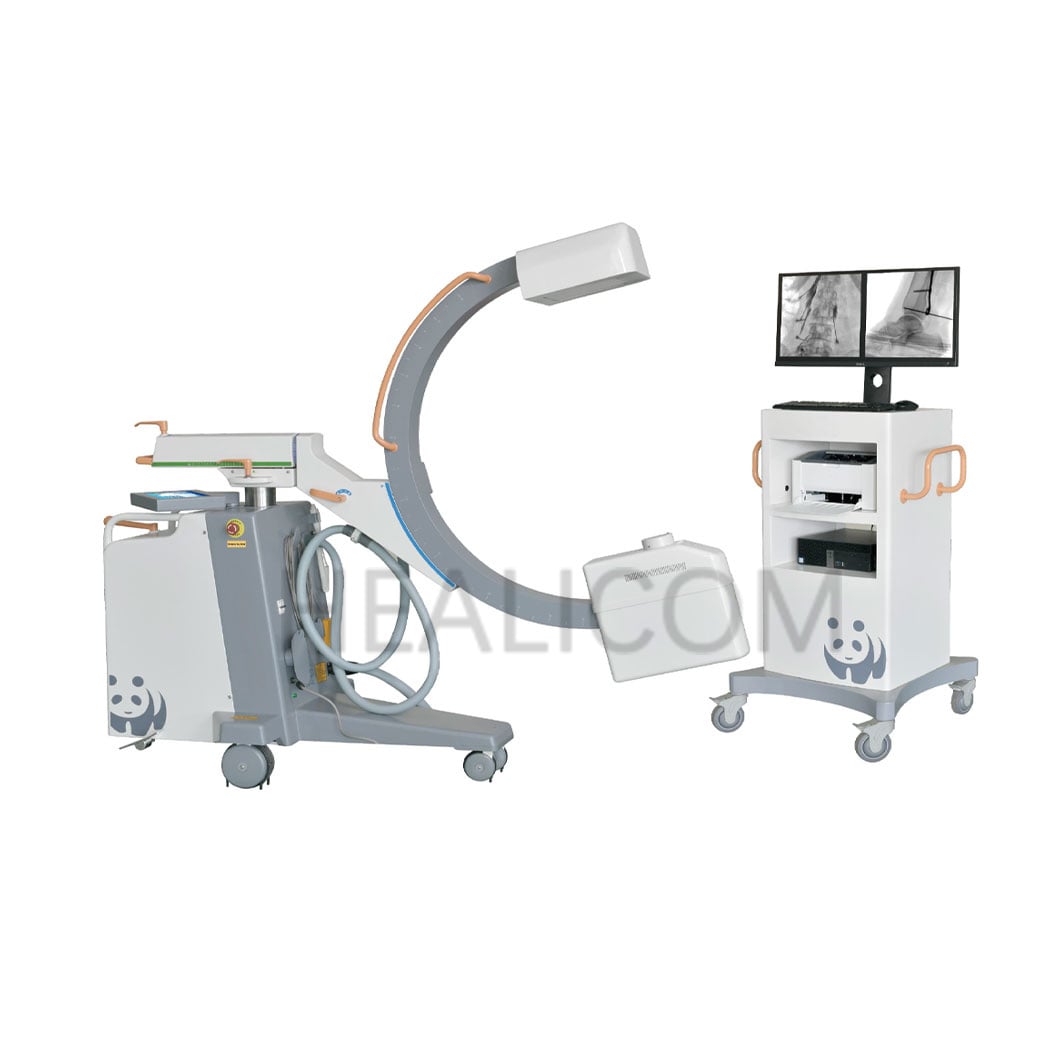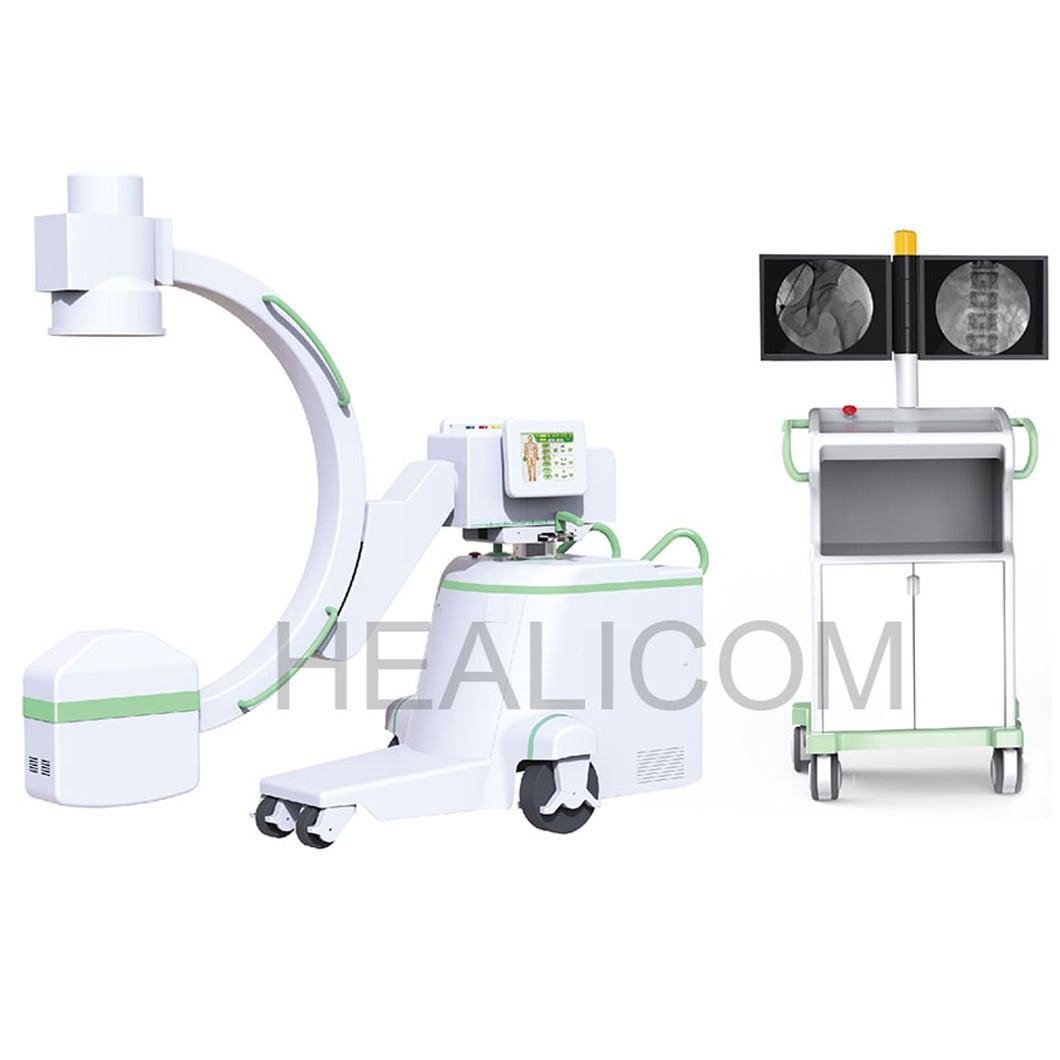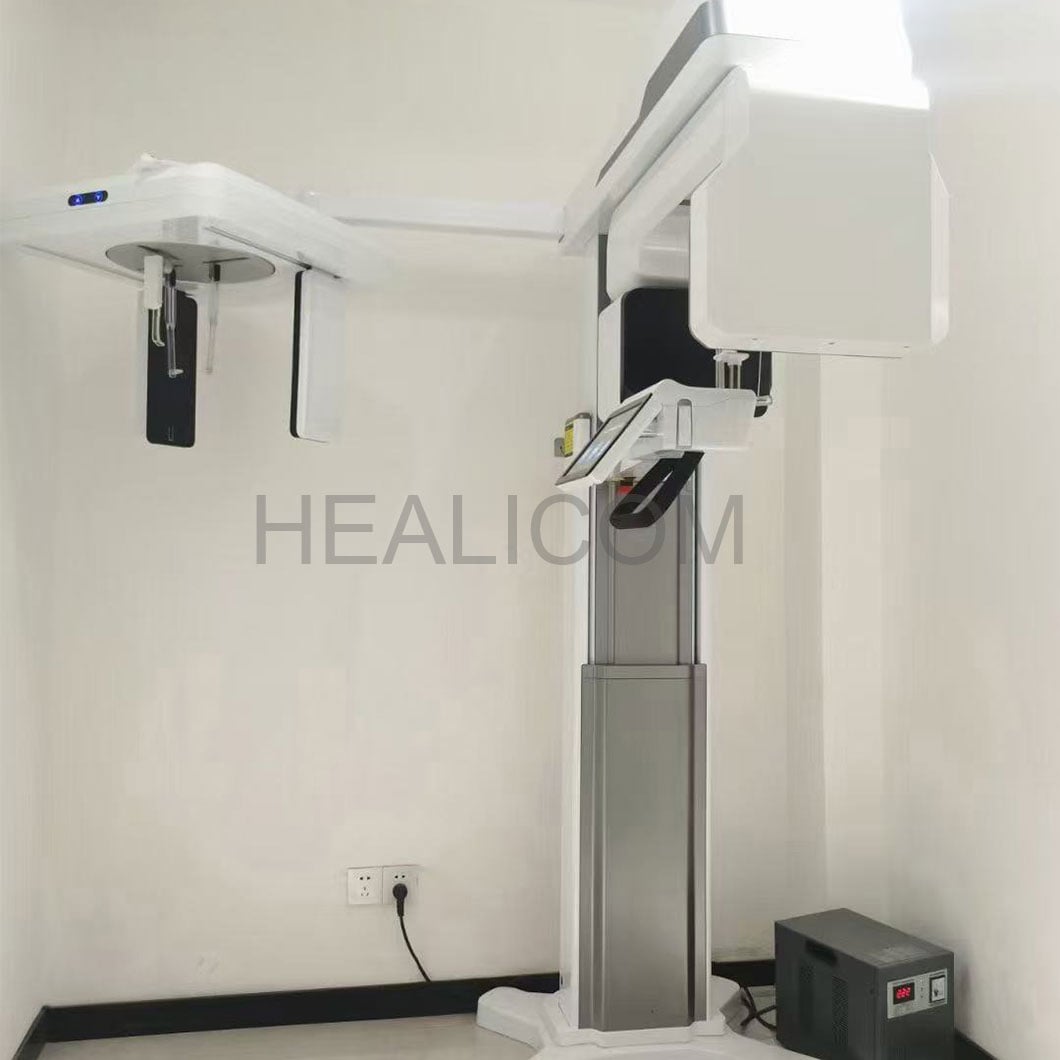
CBCT machines, which stands for Cone Beam Computed Tomography, create those detailed three dimensional images by spinning a cone shaped X ray beam around someone's head during the scan. The device actually takes anywhere from 200 to 600 different pictures within just 10 to 40 seconds total. What happens next is pretty amazing too. These individual snapshots get put together into what we call volumetric data sets. The resolution can be super fine, sometimes down to about 80 microns. This level of detail allows dentists to see things clearly like where the roots of teeth are located, how the jawbone looks underneath, and even track those tricky nerve paths that run through the area.
Cone beam CT systems expose patients to about 85 to 90 percent less radiation compared to standard medical CT scans. The numbers tell the story pretty clearly too around 76 microsieverts versus somewhere between 600 and 1,000 microsieverts per scan. At the same time these CBCT machines still manage to produce images of bones that are just as detailed as what comes from regular CT. That said, there's no denying traditional CT scanners have their strengths too. They give much better contrast for soft tissues because they use more powerful X rays and come equipped with better detectors. For cases where doctors really need to see what's going on inside those soft tissues of the head and neck area, nothing beats the old fashioned CT scanner when details matter most.
Cone beam computed tomography (CBCT) is now a must-have tool when developing accurate three-dimensional surgical plans for things like jaw alignment issues or facial injuries. Regular two dimensional imaging just doesn't cut it anymore since CBCT scans capture detailed volume data at sub millimeter resolution. This shows doctors exactly where bones are dense, maps out blood vessels, and helps them see how different structures relate to each other so they can avoid damaging nerves during operations. According to recent research published in Nature back in 2023, surgeons who plan their procedures using this technology get about 22 percent better results placing cuts in bone compared to those doing it without guidance. The ability to play around with screw paths and metal plates on screen before making any actual incisions saves time during surgery and generally leads to better patient recovery.
Cone beam computed tomography can spot those tiny fractures with less than 0.3 mm displacement along with facial asymmetries that panoramic X-rays tend to overlook completely. What makes this technology so valuable is that just a quick 20 second scan gives doctors detailed views across multiple planes. They get clear images of the cheekbones, check if the orbital floors are intact, and assess how the jaw joints line up properly. These details matter a lot when planning reconstruction after serious midface injuries. As for radiation exposure, most CBCT scans deliver around 76 microsieverts or roughly what someone would naturally absorb over three days living their normal life. This relatively low dose means patients can safely have follow-up scans throughout their treatment course without worrying about building up dangerous levels of radiation over time.
In 2024 doctors treated a young patient who had been born with underdeveloped lower jaw bones. They used special imaging technology called CBCT to create a custom bone graft from the fibula. By combining this CT scan data with 3D photography techniques, surgeons were able to craft a reconstruction plate accurate to within half a millimeter. This preparation cut down on surgery time by almost three whole hours compared to traditional methods. After the operation, follow-up scans showed the new bone had integrated perfectly into the jaw with less than one millimeter of movement from where it should be. All these impressive results wouldn't have happened without the help of advanced 3D surgical guidance systems during the procedure.
CBCT scans with high resolution provide exceptional views of the TMJ's bony structures, showing those tiny details about where the condyles sit and how much space exists within the joint. These details matter a lot when trying to spot issues like displaced discs or signs of arthritis. Research published in Frontiers in Dental Medicine back in 2025 showed something pretty impressive too. The study claimed that CBCT actually does a better job at segmenting bones compared to regular X-rays, with around 42% greater accuracy. That makes these scans especially helpful for looking at bone changes that happen over time in people with long term TMJ problems. The technology has an isotropic voxel resolution ranging from 0.076 to 0.4 mm, which means it can catch those little erosions and bone spurs that often slip past detection in standard two dimensional images.
CBCT typically creates still images, but newer methods involve scanning patients in multiple positions such as mouth open and mouth closed to assess how joints move. When we look at these three dimensional reconstructions side by side, it becomes possible to spot unusual movement patterns and catch signs of wear and tear before they become serious problems. That said, when it comes to looking at soft tissues like the little disc between the bones or those tissues behind the disc, dynamic MRI still holds the crown. The reason? CBCT just doesn't show soft tissues very well because of its limited ability to differentiate between different types of tissue, which makes diagnosis less reliable in these areas.
A big concern comes up when dentists order CBCT scans for TMJ issues in patients who don't actually have any symptoms. Studies show around 38 percent of people without complaints still end up showing something strange on their X-rays. This creates real problems because doctors might diagnose conditions that aren't causing any actual trouble if they rely solely on these images. According to guidelines from the American Academy of Oral Medicine, CBCT should really only be used when regular checkups and standard imaging just can't figure out what's going on with a patient's jaw joint. Most of the time, simpler tests work just fine without exposing everyone to unnecessary radiation.
Cone beam CT scans give really detailed views of the nose and sinus area, which is super helpful when doctors need to map out things like the ostiomeatal complex or look at how the sphenoid sinuses are developed before surgery. Research published in Nature back in 2020 found that these scans can pick up on tiny details in the bone structures of the sinuses without needing any IV contrast agents. That makes them great for spotting unusual features like concha bullosa or Haller cells that might be causing ongoing sinus problems. The downside though? When using lower dose settings to keep radiation levels down, the images don't show nasal cartilage as clearly. But most clinicians consider this limitation worth accepting given the benefits of reduced patient exposure.
Clinicians are turning to CBCT scans more often when evaluating obstructive sleep apnea (OSA). These scans help determine airway volume and spot issues such as a receding jaw or an enlarged soft palate that might be blocking airflow. The technology captures detailed 3D images while someone breathes normally, allowing doctors to check those critical narrow spots in both the upper throat area and behind the nose. Some exciting developments have combined CBCT imaging with computer modeling techniques for fluid movement. A study published through Springer last year showed how this combination creates realistic airflow simulations, particularly useful for people dealing with problems like crooked nasal septums or swollen turbinates that restrict proper breathing.
During a routine CBCT scan for dental implants, doctors noticed something unexpected in a 38 year old patient's maxillary sinus on one side only. Upon closer look, they discovered what turned out to be a mucous retention cyst. These kinds of cysts don't cause symptoms and actually show up in anywhere between 13 to 25 percent of adult populations according to various studies. CBCT imaging is really good at picking up these types of bone abnormalities and cyst formations. However most medical protocols suggest bringing in an ENT specialist if there's significant mucosal thickening beyond 3 millimeters or if there appear to be any polyp-like changes visible. This collaborative approach helps make sure we catch those cases where someone might have undiagnosed sinus issues or even potential growths that need attention.
 Hot News
 EN
EN